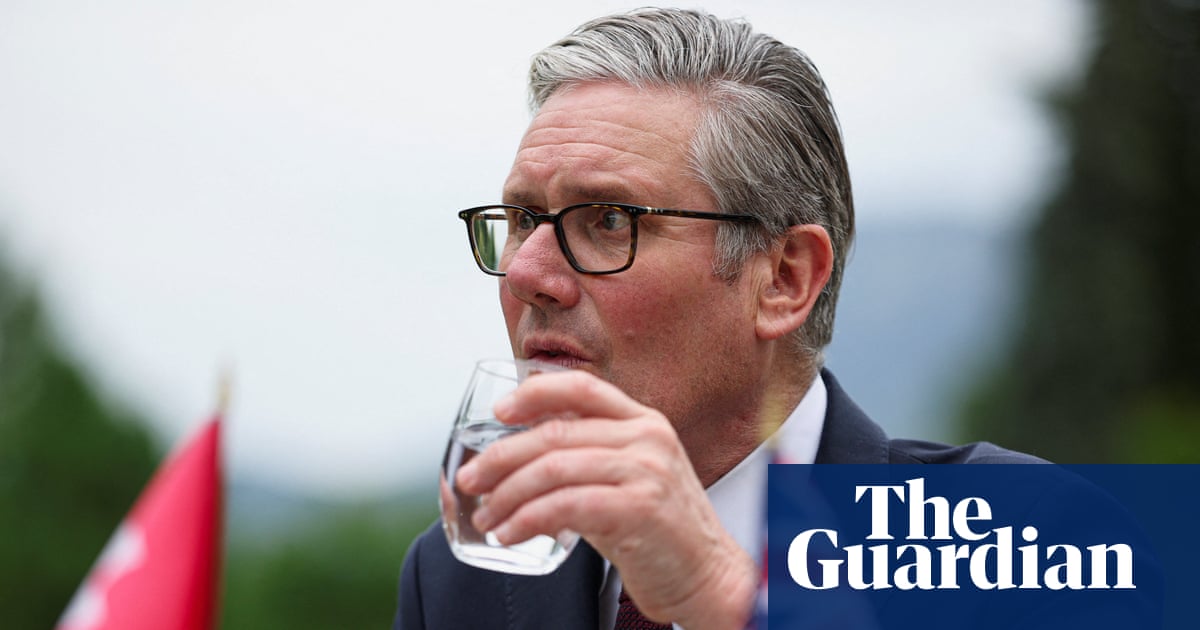
Whether or not Keir Starmer attends another G7 summit may depend on the outcome of Thursday’s Makerfield byelection. Photograph: Getty ImagesView image in fullscreenWhether or not Keir Starmer attends another G7 summit may depend on the outcome of Thursday’s Makerfield byelection. Photograph: Getty ImagesAnalysisStarmer’s waning influence is apparent at awkward G7 summitAlexandra Topping in Évian les-BainsBritish prime minister was left making small talk unsure if a meeting with Trump and Zelenskyy was going ahead
The wait for Keir Starmer’s first session of the G7 gathering in Évian-les-Bains was undoubtedly awkward. A meeting about the future of Ukraine had been due to start at 9am but more than half an hour later, Donald Trump, Volodymyr Zelenskyy and Emmanuel Macron were nowhere to be seen.
On a live Reuters feed, Starmer could be seen standing next to the leaders of Canada and Japan as they milled about making small talk. “Are they, are they having a meeting?” the British prime minister could be heard asking. If he was referring to the missing attenders, and they were indeed having a meeting, it was clear he hadn’t been invited.
Read moreIt was a moment that epitomised Starmer’s fragility during what could be one of his final outings on the world stage. Arriving on the red carpet at the Hotel Royal, the luxurious G7 venue on the shores of Lake Geneva, he smiled and shook hands, seemingly untroubled by the prospect of a leadership challenge that could come within days if Andy Burnham is elected in the Makerfield byelection on Thursday.
Starmer’s team wanted to focus on the prime minister’s international presence, but the drama at home could not be avoided. The prime minister took time away from his international summit happy place to appear on a video call with Labour members and ask vetted questions. Inevitably, he faced harder-edged queries from journalists. Asked if he had a plan for if a newly elected Burnham made a move on Friday, he insisted he was not “going to walk away”, telling Times Radio that while he didn’t think there should be a challenge he would “fight” if there was.
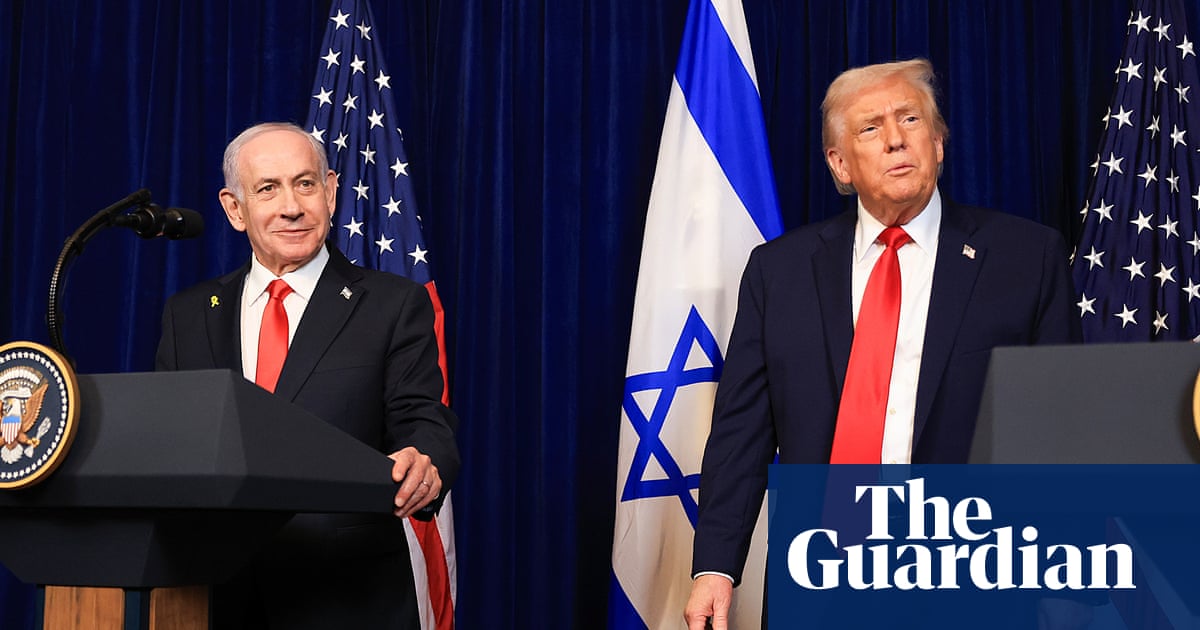
Starmer’s waning influence was perhaps most stark in his interactions with Trump. At last year’s G7 in Canada Starmer and the US president held a friendly extended press conference to announce a trade deal but this year there was no planned bilateral meeting between the two men. If a week is a long time in politics, a year must feel like a lifetime.
Aides were keen to stress that Starmer’s schedule was flexible, a bi-lat was still possible and the two leaders were exhibiting a “warm” relationship at the gathering. When asked directly if he had been snubbed by Trump, Starmer laughed and – like a pupil who bags a seat next to the cool kids at the back of the bus – pointed to the two hours he had sat next to Trump during the opening leaders-only dinner on Monday evening.
“Honestly, I mean, we’ve just spent two hours last night sat next to each other, chatting to each other. I spoke to him on the phone on Saturday for quite some time, one to one, as we often do,” he told travelling political reporters. “So we are talking pretty constantly throughout this and it’s been very productive, very good conversations.”
Later a spokesperson brushed away the suggestion that Starmer had been sidelined on Ukraine, stressing the warm welcome that President Zelenskyy had given to his announcement of a £210m energy support package, alongside further sanctions on Russia. Sources close to the prime minister suggested that relations were warming between Trump and Starmer, adding that in a moderately long call on Saturday the pair had talked about the UFC competition held on the White House lawn.
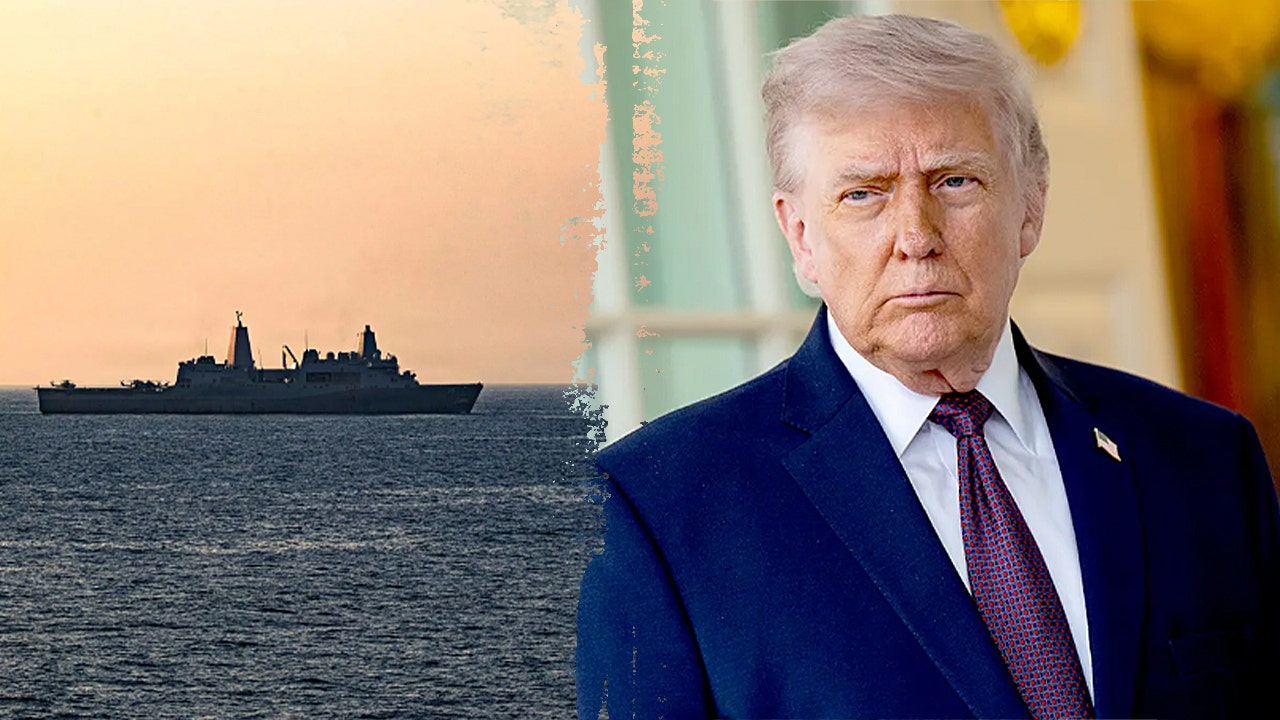
But while Starmer was keen to stress on Tuesday that Britain could play a role in de-mining the strait of Hormuz – if a peace deal between Iran and the US holds – Trump had already shrugged off that the US would “need much help” in ensuring the free passage of shipping, even if it was not “a bad idea to have a ship or two” from other countries.
The prime minister appeared to have more success with other world leaders, going for a drink with the Canadian prime minister, Mark Carney, alongside his wife, Victoria, meeting the German chancellor, Friedrich Merz, and holding a bilateral meeting with Zelenskyy. He used the summit to announce investments by French and Indian companies into British energy infrastructure and AI, which the government said would deliver more than 1,000 jobs and then – in a minor rabbit out of the hat moment – that the second UK-EU summit would be held on 22 July.
“My Labour Government is delivering on our promise to reset our relationship and put Britain at the heart of Europe,” he wrote on social media. “Together we will tackle the cost of living, boost jobs and create opportunities for young people.” His use of the possessive in the statement was marked; whether it will still be his party the next time this summit rolls around is less clear.