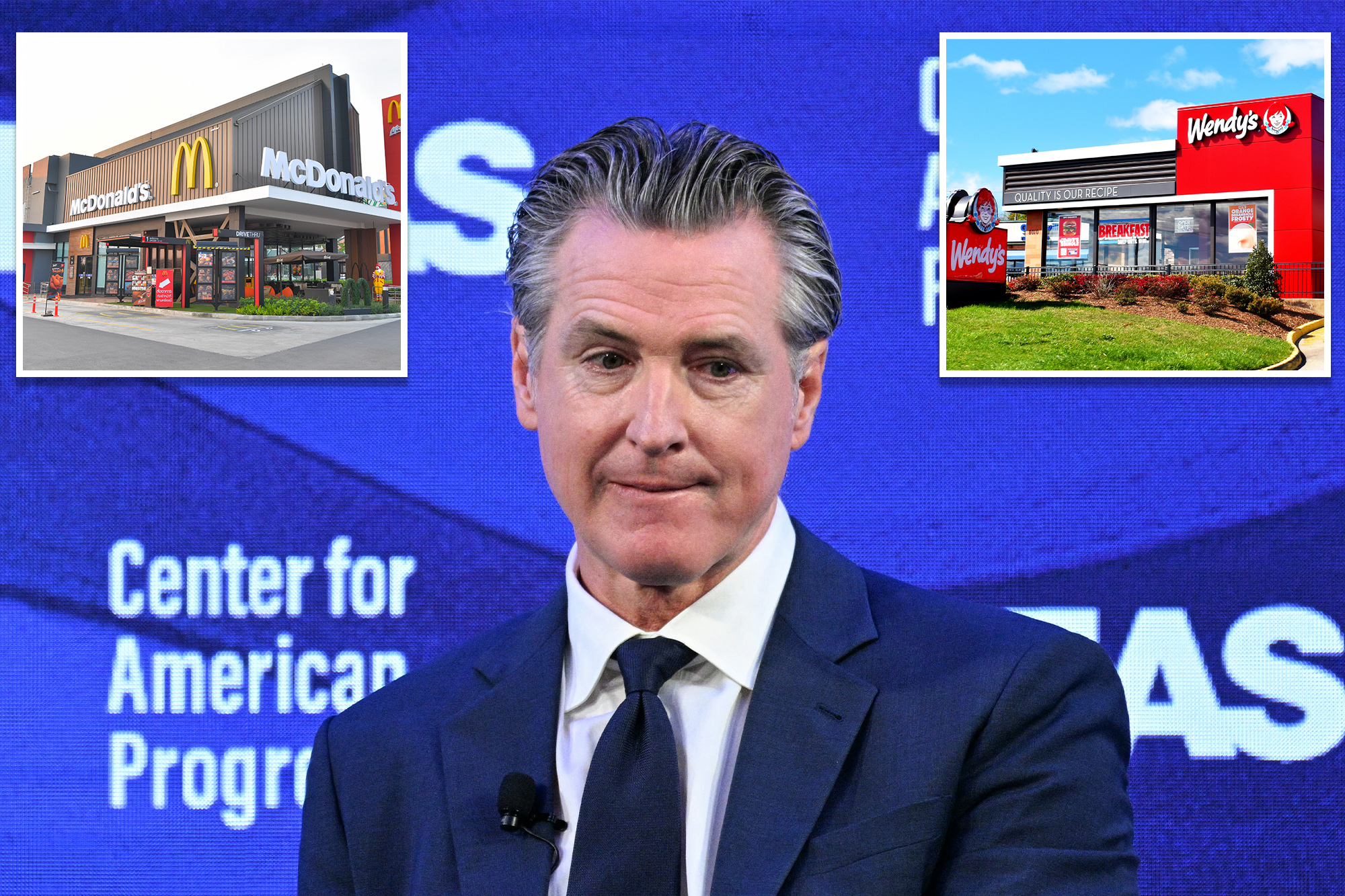
Add The New York Post on Google California’s Fast Food Council, created under Gov. Gavin Newsom’s high-profile labor deal, is sitting in limbo with no chairperson, no full meetings in more than a year, and roughly $1.1 million in taxpayer funding still paying for a body that is not functioning.
What was pitched as a powerful watchdog over wages and working conditions in one of the state’s largest low-wage industries has instead become a stalled bureaucracy, now drawing heat from fast food workers who say the state built the system, raised wages, then left the oversight structure to rot.
The council was established in 2023 as part of a politically charged compromise that followed years of conflict over fast food pay.
The deal set a $20 minimum wage for fast food workers at chains with at least 60 locations nationwide and created the Fast Food Council to regulate wages, safety standards, and workplace conditions for roughly 630,000 workers across California.
But the body tasked with overseeing those rules has barely functioned since.
State law requires at least two meetings per year.
The council managed to meet in 2024, but since then activity has collapsed.
Only two subcommittee meetings were held last year, with the most recent in February 2025.
After that, the council lost its chair when Nick Hardeman resigned following his appointment by Newsom to another state position.
The current council includes Michaela Mendelsohn, Anneisha Williams, Joe Johal, SG Ellison, Richard Reinis, Angelica Hernandez, Maria Maldonado, and Joseph Bryant, along with non-voting representatives from GO-Biz and the Department of Industrial Relations.
Despite the shutdown in activity, the structure remains fully funded.
About $1.1 million in taxpayer money continues to support the council annually, covering salaries, benefits, and administrative operations for four state employees who remain on payroll even as meetings are on hold.
The state’s Labor & Workforce Development Agency confirmed there is no chairperson and meetings are paused, CalMatters reported.
The council was supposed to be a centerpiece of California’s new fast food wage system, with the power to adjust pay and set industry-wide standards.
Instead, the state pushed through a major wage increase, launched a new regulatory body, and now appears unable to keep it functioning.
The political fight that led to the council was already explosive.
In 2022, lawmakers passed legislation raising fast food wages to $22 an hour.
The industry responded with a repeal campaign backed by signature gathering, while workers launched strikes across the state in protest and support of higher pay.
A late 2023 compromise finally ended the standoff. Democrat assemblymember Chris Holden authored Assembly Bill 1228, which set the $20 wage and formally created the Fast Food Council.
Newsom signed it on Sept. 28, 2023 and took responsibility for appointing seven of the nine members.
Now the council also faces a legal obligation to submit a performance review to the Legislature every three years, even as it has gone more than a year without holding a full meeting.
Fast-food bosses are crying foul over California’s crushing $20 minimum wage, screaming that Sacramento’s “job-killing” mandate is bleeding margins dry and pushing local franchises to bankruptcy court.
Business owners claim they’re being forced to chop worker hours, hike burger prices and splice in AI cashiers just to survive the state’s aggressive regulatory squeeze.
California’s $20 fast-food minimum wage led to an estimated loss of 18,000 jobs relative to national trends, according to a July 2025 working paper published by the National Bureau of Economic Research.
California Post News: Facebook, Instagram, TikTok, X, YouTube, WhatsApp, LinkedInCalifornia Post Sports Facebook, Instagram, TikTok, YouTube, XCalifornia Post Opinion California Post Newsletters: Sign up here!California Post App: Download here!Home delivery: Sign up here!Page Six Hollywood: Sign up here!