Add The California Post on Google We all know how expensive gas has become in California — and how much more expensive it is than in other states. Household energy prices are also rising dramatically.
Now, Sacramento lawmakers are pushing SB 1359, a sweeping new mandate that would make it harder, more expensive, and more legally risky to maintain California’s natural gas infrastructure – all in the name of meeting the state’s aggressive climate change agenda.
The bill forces gas utilities to prove that any new infrastructure project aligns with California’s 2045 carbon-neutrality mandate before construction can even begin. It also requires companies to create a costly “Gas Infrastructure Decommissioning Trust” while simultaneously banning them from recovering those costs through rate increases.
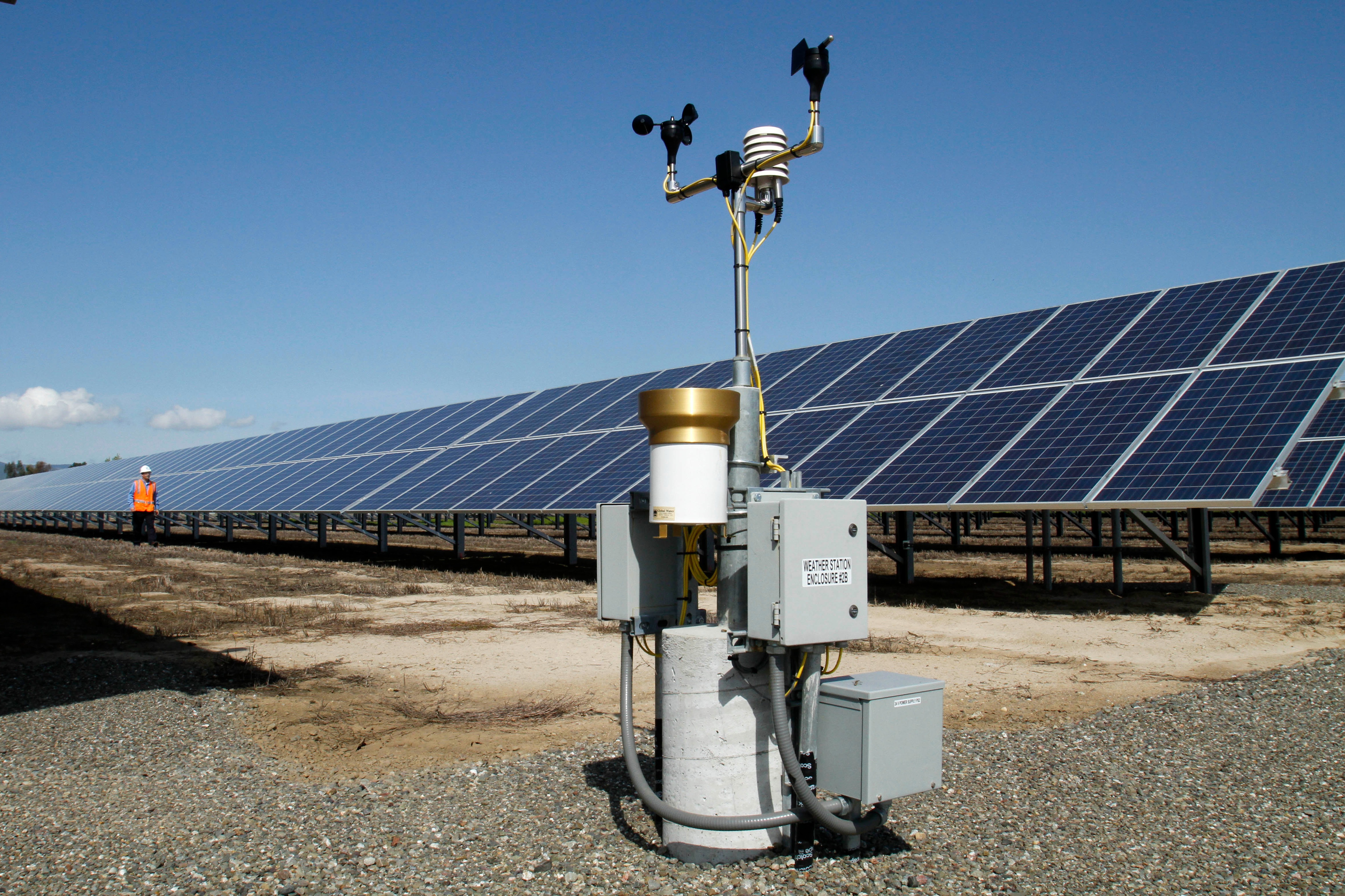
Solar panels at the Pacific Gas and Electric Company’s Vaca-Dixon solar energy site near Vacaville, Calif., Tuesday, April 12, 2011. AP In practice, SB 1359 is designed to force California away from natural gas and toward an all-electric future, whether consumers want it or not.
That matters because millions of Californians still rely on natural gas for affordable and reliable energy. In 2024, natural gas generated more than one-third of California’s in-state electric supply. Yet instead of preserving a cheaper energy option, Sacramento is actively penalizing continued investment in gas infrastructure.
California already has some of the highest electricity prices in America. Residential electricity rates recently hovered around 30 cents per kilowatt-hour, roughly 74% above the national average. At that same time, residential natural gas was around 8 cents per kilowatt-hour in California. The United States Energy Information Administration projects that in 2027, California’s electricity prices will be over five times as high as its natural gas prices.
If natural-gas companies aren’t allowed to cover the cost of offering service through higher rates, those costs do not disappear. Faced with rising expenses and a hostile regulatory framework, natural-gas providers will have a strong incentive to scale back gas service sooner than market demand would otherwise dictate.
Californians have already voiced strong concerns about similar legislation, including SB 1221, warning that these policies threaten to eliminate consumer choice while driving utility bills even higher.
A row of gray natural gas meters at an apartment complex. Kenishirotie – stock.adobe.com Pushing more households toward a fully electric system while limiting investment in existing gas infrastructure leaves consumers with fewer options and higher costs. Those impacts are likely to fall hardest on low-income households, which spend a larger share of their income on energy.
Then there’s the issue Sacramento continues to underestimate: reliability.
California energy officials have already warned of a weak grid during periods of high demand. Even with investments in wind, solar, and battery storage, the grid is not positioned to absorb a forced, large-scale shift from gas to electricity.
The bill also risks compounding California’s housing affordability crisis. By requiring new developments to pay higher costs for gas connections starting in 2030, the bill would raise construction costs in areas that still rely on natural gas. Higher construction costs translate to higher home prices. In a state already struggling with housing costs, adding new regulatory burdens is not a wise policy position.
Perhaps most concerningly, this proposal reflects a shift away from technology neutral utility regulation. Traditional energy policy has focused on delivering safe and reliable service, while allowing consumers and providers to determine how energy is used and what form it is delivered in. SB 1359 departs from that approach by embedding a politically preferred outcome into law and forcing the market toward it.
Affordable, reliable energy is not a luxury. It is foundational to economic growth, business investment, housing affordability, and overall cost of living.
SB 1359 asks Californians to accept higher costs, fewer choices, and growing reliability concerns in exchange for an energy transition whose full costs remain uncertain. If lawmakers are serious about affordability, they should not be phasing out one of the few comparatively affordable energy sources Californians still have.
Sarah Wagoner is a Policy Analyst for Environmental and Energy Policy in the Center for Energy, Climate, and Environment at The Heritage Foundation.
California Post News: Facebook, Instagram, TikTok, X, YouTube, WhatsApp, LinkedInCalifornia Post Sports Facebook, Instagram, TikTok, YouTube, XCalifornia Post Opinion California Post Newsletters: Sign up here!California Post App: Download here!Home delivery: Sign up here!Page Six Hollywood: Sign up here!