Add The New York Post on Google The growing use of digital price tags at Walmart and other big US retailers is stirring fresh anxiety that prices on groceries and other basic goods could be subjected to high-tech manipulation — and labor unions are looking to capitalize on the fears.
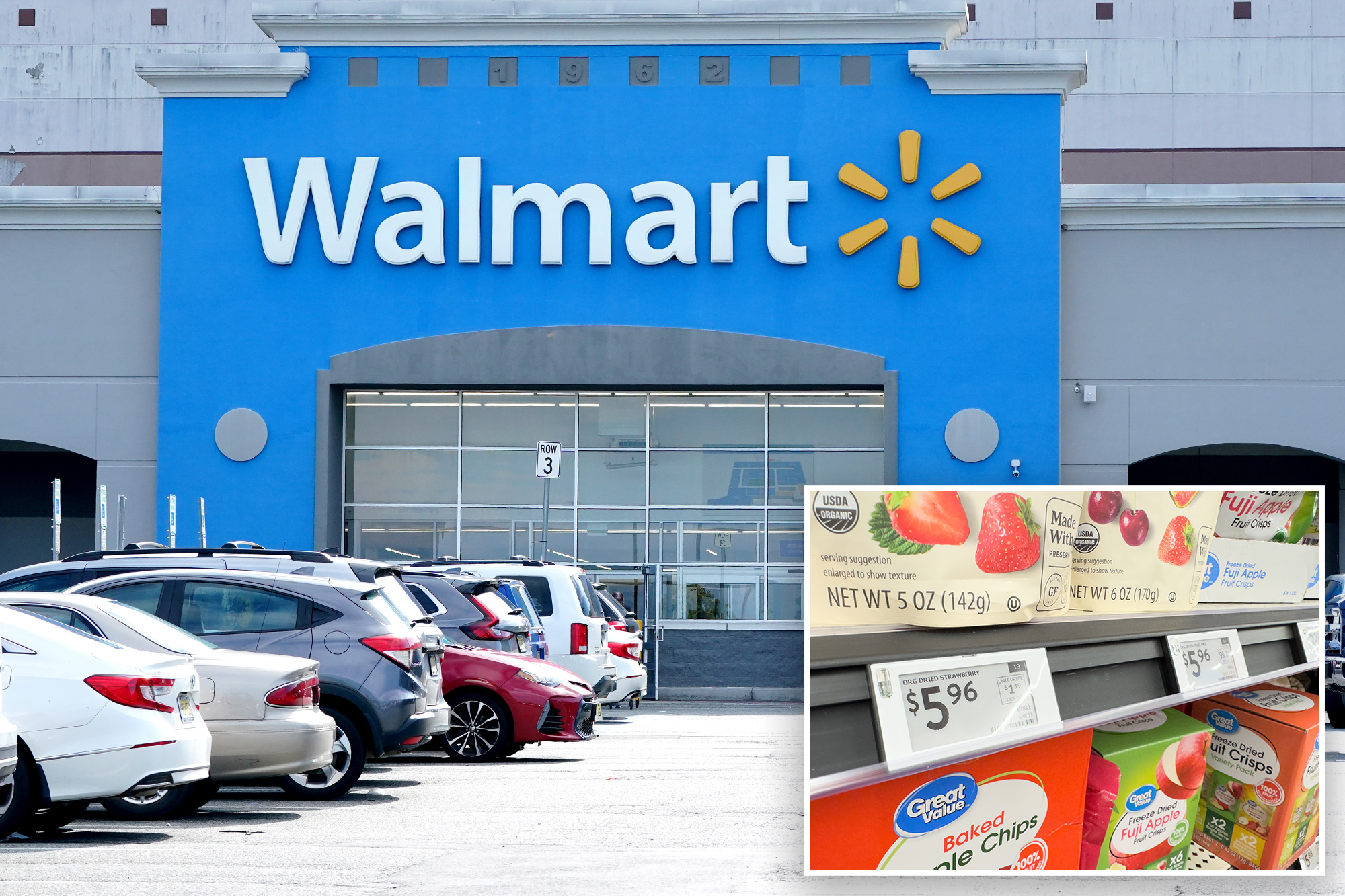
Walmart said it is rapidly installing the tags — which can raise or lower the prices displayed on their tiny LED screens en masse with the click of a button — in all of its 4,600 US stores by the end of the year. The idea, Walmart says, is to free staffers from the decades-old, time-consuming task of switching out paper tags slotted on shelves.
Changing the paper tags “used to take two days,” a Walmart clerk at a Hurst, Texas store said in a video produced by the mega-retailer last year. “Now, it only takes minutes.”
But the tags are facing growing questions and outright opposition from Democratic politicians who have called for local and federal legislation to clamp down on the technology — as labor unions raise alarms that it could become a tool for price gouging, even as it threatens jobs.
“We are trying to legislate this because the tags we are going after are new,” said Ademola Oyefeso, vice president of the United Food and Commercial Workers International Union (UFCW), noting that some tags are now equipped with Bluetooth receptors that can detect devices held by store clerks and customers alike.
Shoppers are already suspicious about pricing technology as inflation continues to raise the cost of everything from gas to groceries. Last year, Instacart sparked an uproar when it was revealed the app was charging different markups to customers shopping at the same supermarket at the same time. Earlier this month, Consumer Reports found that Uber and Lyft could be employing similar practices with ride-sharing customers.
In 2024, the CEO of Wendy’s revealed plans to use digital menu boards to change burger prices throughout the day — but was quickly forced to backpedal following a customer backlash.
At a New York City Council hearing this month on two bills aimed at regulating pricing practices, union officials said banning digital labels is their top legislative priority. They claim the devices will eliminate retail jobs and could be used to charge different shoppers varying prices without their knowledge.
Now, opposition to digital tags on retail shelves is coming to the fore, with bills sponsored in both the US House and Senate. Proposed bans on the tags — largely fueled by labor unions — have been proposed in seven states, including one in New York passed by the state senate that failed to pass the Assembly before the session ended.
“Electronic shelf tags are a conduit for dynamic and surveillance pricing, which is why the bigger corporations are investing millions in hardware and software that allows them to instantaneously change pricing, multiple times a day,” Deborah Wright, political director of the Retail, Wholesale, & Department Store Union, said at the hearing.
Brooks Forrest, Walmart’s vice president of associate tools, is among the retail executives who have been attempting to dispel such claims. He told The Post in an interview that he has been accompanying politicians on store tours to explain how the tags work.
A crucial distinction, according to Forrest, is that “Walmart changes prices overnight” — not multiple times a day while customers are shopping.
“There is misinformation in the proposed legislation, which is an over correction,” Forrest told The Post. “We want to make sure the right information is out there.”
Walmart, for its part, is not slowing down its adoption of the tags, Forrest added.
“We are rolling this out through the end of the year,” he said. “That remains our plan.”
Union officials have suggested that the digital tags could eventually be used to exploit so-called biometric data that identifies shoppers who enter stores — in particular facial recognition data — to charge customers different prices based on their shopping histories and possibly other personal data they’ve gathered.
“We have significant concerns around the ability to change prices rapidly and the ability for them to combine biometric data with the tags,” City Council member Carmen De La Rosa (D-Manhattan) said during the City Council hearing. “Are [tag makers] collecting data?”
Retail trade groups brand such concerns “hypothetical fears.”
Walmart is working with a French company called Vusion, which has also sold its devices to chains including Kohl’s, Mattress Firm and Fresh Market. There are at least a half-dozen other companies making the digital tags, but Vusion is the largest, according to experts.
Vusion has been participating in legislative hearings to defend itself and “correct the misinformation,” said Cristina Rodrigues, vice president of marketing. “We are actively defending ourselves. It’s a real threat.”
Vusion, which didn’t testify at the New York City hearing, says its tags can communicate with store employees by flashing a light to signal that an item needs to be restocked. They also can flash to help store employees find items more quickly when putting together online orders.
“The blinking light will ultimately connect with a customer’s phone, I hope” — enabling shoppers to more easily find products on shelves and learn more about them, said Roy Horgan, Vusion’s senior executive vice president of strategy.
“We don’t know how retail shelf tags have gotten drawn into this debate about dynamic pricing,” Horgan added. “The reality is that they have been around forever.”
The PC Richard & Son on West 23rd Street in Manhattan has used digital tags for at least six years, a manager at the store told The Post.
“It used to be that the staff would come in two hours before the store opened to print the paper tags and put them on the sales floor,” said the manager. “That pressure on the staff is off now.”