Researchers recently announced the discovery of Ming-era (1368–1644) topical anaesthetics, but how did they work
2-MIN READ2-MIN ListenKevin McSpaddenPublished: 4:00pm, 13 Jun 2026The invention of modern anaesthetics in 1846 is a pivotal milestone in the history of modern medicine, yet humans have long sought to alleviate surgical pain.
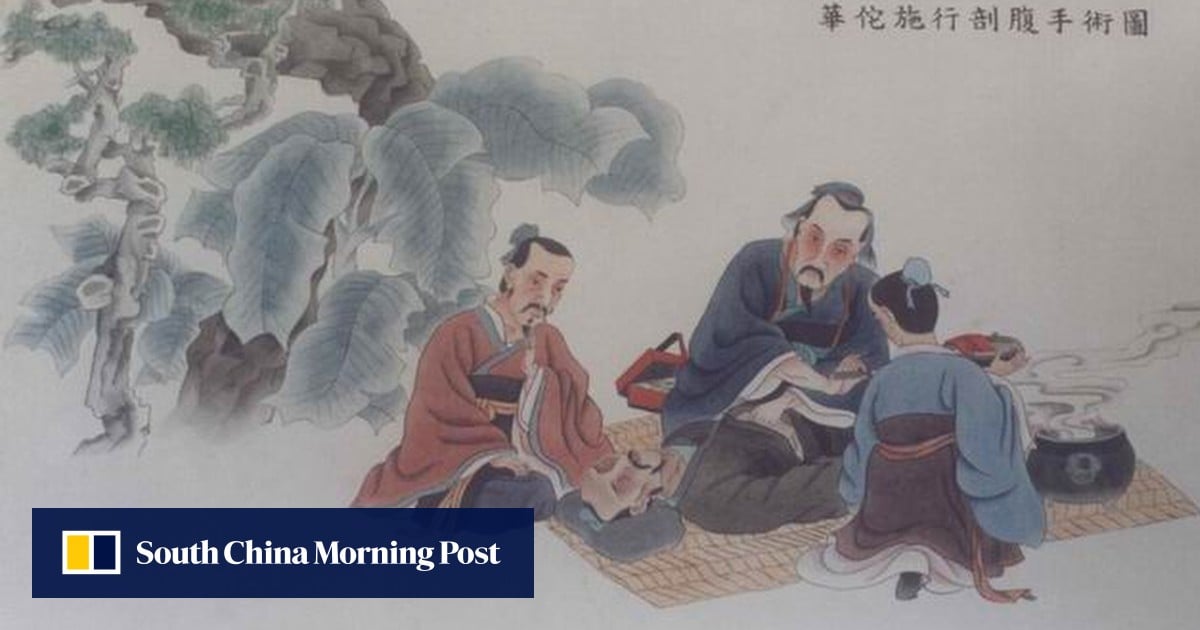
Recent research has showed that in the 14th century, Ming dynasty (1368–1644) surgeons utilised a toxic plant concoction to create an anaesthetic, developed by the renowned traditional Chinese medicine surgeon Xia Quan.
This discovery provides physical evidence that supports ancient texts, making it a fascinating contribution to medical history.
The breakthrough occurred when researchers detected aconitine on 10 surgical tools discovered in Xia’s tomb. Aconitine is a toxin derived from the poisonous plant commonly known as wolfsbane.
According to study author Zhao Congcang from Northwest University in Xian, located in central China’s Shaanxi province, aconitine activates sodium ion channels in nerve cell membranes. Constant stimulation leads to temporary nerve excitation followed by inhibition.