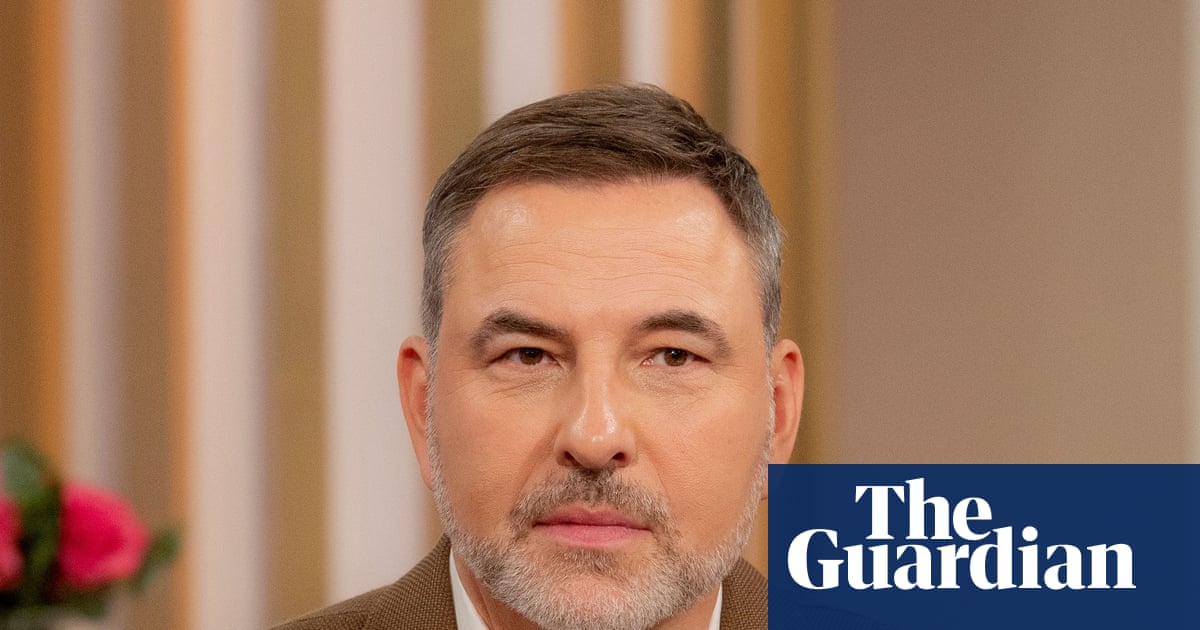
An investigation by the Guardian and ITV News said Walliams used his power and status to prey on young women for sex. Photograph: Ken McKay/ITV/ShutterstockView image in fullscreenAn investigation by the Guardian and ITV News said Walliams used his power and status to prey on young women for sex. Photograph: Ken McKay/ITV/ShutterstockUK ministers look at quick ways to limit NDAs after Walliams allegationsGovernment considers further curbs on non-disclosure agreements after Guardian investigation of TV personality
Ministers are looking at ways to change the law quickly to expand protections that stop non-disclosure agreements being used to cover up harassment or discrimination in the wake of the allegations about David Walliams.
This could involve extending measures that mean an NDA cannot be used this way to silence an employee so that it also applies to others, such as freelancers or volunteers.
Following an investigation by the Guardian and ITV News, which said Walliams used his power and status to prey on young women for sex, there have been reports that NDAs were used by an employer to silence at least one woman connected to him.
Walliams, one of Britain’s best-known television personalities and a top-selling children’s author, denies any wrongdoing.
The Employment Rights Act bars NDAs being used to stop employees disclosing possible harassment or discrimination, and a recent government consultation looked at the idea of extending this protection more widely.
Such moves are expected to be speeded up after a planned meeting next week between Lisa Nandy, the culture secretary, and representatives from TV and film – both of which rely heavily on freelance or contract staff – as well as publishing and sport, to discuss possible new protections.
“We are very much in the space of looking at areas that we can change quickly and without legislation if there are loopholes,” one government official said. “It is still early but extending these protections beyond employees is definitely the sort of thing we are looking at.”
Under other existing legislation, NDAs cannot be used to stop victims or witnesses of crime from giving information to certain specified bodies, for example police or regulators.
Another possible change could extend this protection so that people could speak about crimes to anyone, including the media.
Campaigners had already been pushing for greater safeguards against NDAs before the allegations about Walliams, or the conviction of Russell Brand, who was jailed on Monday for rape and sexual assault.
Zelda Perkins, a former PA to Harvey Weinstein who broke an NDA that barred her discussing the now-jailed Hollywood producer’s predatory behaviour, and has since become a leading campaigner against their misuse, said she hoped the government, led by the Department for Business, Innovation, Science and Trade (DBIST), would be galvanised by the Walliams allegations.
“I have great confidence that [DBIST] are trying to create the best possible version of this,” she said. “But extending protections over harassment and discrimination beyond employees is absolutely key, and this is something where we need to keep up the pressure. The last couple of weeks have really highlighted the issues around this.”
Answering questions on Wednesday in the Commons, Nandy agreed with a Conservative question about the need to stop NDAs being abused, saying they were “central” to the problem of enforced silence.
“I am working closely with colleagues at MoJ [Ministry of Justice],” she said. “I’ve discussed this issue with them over recent days. This will be part of the conversation that we have with the creative industries when I convene the roundtable next week.”
Separate moves, albeit in the slightly longer term, are likely to lead to a law change so that any adult who has penetrative sex with a child aged under 16 would automatically be charged with rape.
This was recommended by Louise Casey’s review into sexual abuse grooming gangs published last year, following concerns that some gang members had been able to face less serious charges by claiming they had consent for the abuse.
Lady Casey has called for swifter action to protect children and young people from high-profile men, and has urged ministers to change the law to close such loopholes.
An official said: “This was happening anyway, but there is pressure to move quickly in the light of this week. We are looking at it, but we don’t yet know when it might happen.”