Add The New York Post on Google Every year, an estimated 1 million Americans die from food-related chronic illness. Poor diet can prove fatal — meanwhile, the benefits of a good diet are there for the taking. If we know what we’re doing.
When it comes to what we should be putting on our plates, though, it’s not always obvious. With social media awash with contradictory information, and over 6 million published academic articles on “diet,” who on earth are people meant to listen to?
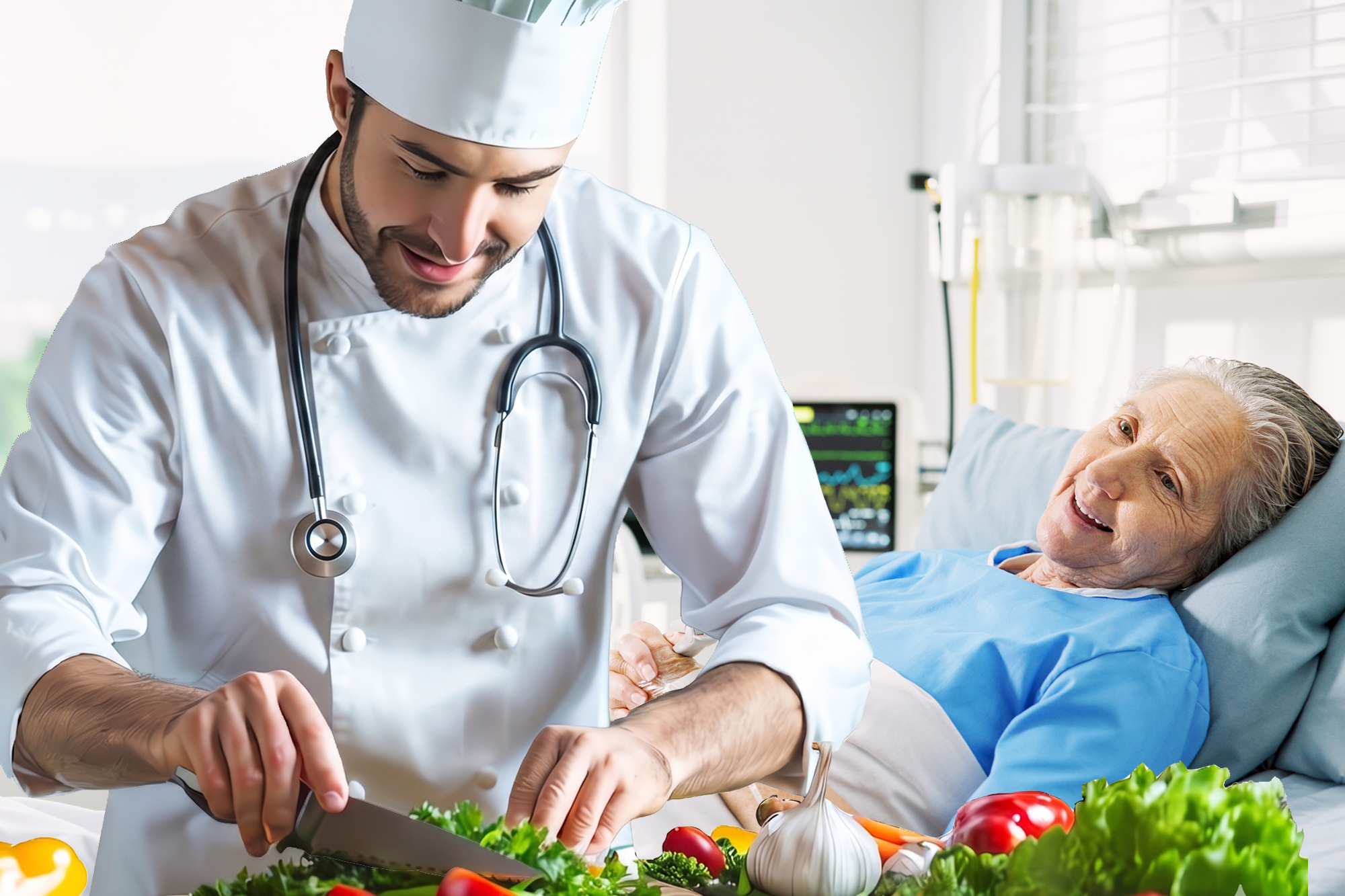
Maybe soon, it’ll be our doctors, more of whom are now diving deep into nutrition and even taking culinary classes to better help their patients.
Welcome to the idea of “produce prescriptions”: If we are “prescribed” the right foods to stave off the conditions we are at high risk of — or already in the throes of — America’s health could be transformed, with a massive reduction in the need for medication.
It’s certainly a concept being embraced by the MAHA movement, and Health and Human Services Secretary Robert F. Kennedy Jr. in particular. In January of this year, he declared that the country is facing “a national health emergency,” with nearly 90% of health care spending going “toward treating chronic disease, much of it linked to diet and lifestyle.”
He’s repeatedly blamed America’s health problems on poor diet, saying last July that “ultra-processed foods are driving our chronic disease epidemic.”
On a podcast in February, he went so far as to declare that “food is medicine, and you can heal yourself with a good diet.”
But beyond policy changes transforming the country’s food supply — which, even if successful, would take years to implement — Americans still need to be armed with information they can trust about which foods to eat to bolster their own health.
Teaching nutrition at medical schools is nothing new, yet it’s not commonplace, with three-quarters of institutions having no required clinical nutrition element. So it’s maybe no surprise that only 14% of health care providers currently feel confident discussing diet with patients.
“It’s not that the physicians aren’t interested in taking a little bit of time to talk about nutrition, but the data shows that they don’t feel competent at all,” Professor Hope Barkoukis, Chair of the Department of Nutrition in the School of Medicine at Case Western Reserve University, tells The Post.
A registered dietitian, she is passionate about nutrition’s power for our overall health. CWRU not only has 58 hours on the topic built into the course, but also extracurricular culinary classes.
This optional time in a teaching kitchen is designed not only to enhance medical students’ understanding of which ingredients are beneficial — or potentially damaging — to specific disease risk, but to help them offer practical meal advice for patients.
The lessons are not about following recipes, but learning how to get creative with health-boosting ingredients — which may give them an advantage in truly engaging with patients over how they approach diet.
For example, a patient who needs to lower their cholesterol, prevent heart disease or reduce inflammation could benefit from eating more fish. But instead of simply being told to do that — which, for some, might sound rather unappealing — doctors can serve up some guidance for how they might like to cook it, or what they might swap it for in their current diet.
Other patients may need to avoid processed meat and barbecued food for cancer risk reduction — and with the right culinary training, docs can suggest dishes that satisfy the same taste buds without the risks.
Those who need to manage their weight might be urged to eat more high-fiber vegetables like broccoli or carrots, but even better if their physicians can also share tips for how to make those veggies more palatable.
It’s not about drastic changes like telling someone to switch to a plant-based diet. Doctors in training are taught to meet the patients where they are, offering manageable and realistic advice.
The idea represents a shift in how food is thought about. Instead of listing things that people shouldn’t eat — no pizza, skip the french fries — they can be better equipped to discuss the amazing things that real, good food can do for our bodies.
And the key is not generic advice to “eat healthy,” but to make specific healthy changes for patients’ needs.
The students are taught to be budget-conscious as well as culturally sensitive. When it comes to giving advice in the real world, it needs to fit a patient’s life and background.
Tre Armstrong, 26, is a third-year med student who, after starting his career as a family doctor, plans to move into sports medicine in the longer term. He says he’s learned a lot from the extracurricular cooking course — “not just what and how to cook,” but, crucially, “how to communicate [this] with the general public.”
He wants to be able to give patients a personalized “game plan.”
“A lot of times, we are getting patients too late after their comorbidities … or their health has started to decline,” he said.
“If you can get a primary care physician that can work with you, and see you a couple of times a year, and also be able to implement nutrition advice, it can help prevent some of those downstream outcomes, where you are running into diabetes, heart disease, things of that nature that we see as we need to just throw medications at.”
The aim is a future where doctors spend less of their limited time with patients reaching for their prescription pads, and more instances of “prescribing” what to eat.
This is something that Dr. Jordan Shlain already does at Private Medical, which has concierge clinics across the US.
“I ask what people are eating before I ask what medications they’re on,” said the founder and CEO. “Food has never been separate from my clinical thinking. It’s foundational.”
His practices provide a high-end personalized and preventative physician service, but the challenge is how to bring this to the mainstream. Long waits for appointments and limited time face-to-face with your doctor don’t make it easy — but the shifts can be really simple, Shlain explains.
“I had a patient with creeping fasting blood glucose — not diabetic, but heading somewhere uncomfortable … it turned out he started every day with a large glass of orange juice,” he said. “Seemed healthy. He’d been doing it for years.”
Shlain recommended cutting the juice — and the patient’s numbers came down, all without medication or any other diet changes.
“All juice is a sugar delivery system,” he explained. “When you blend or process fruit, you strip out the fiber, and the fiber is the whole point.”
While personalization is key, there are some things that most of us might benefit from, like having a varied diet and eating the rainbow.
Understanding the importance of fiber can also make a difference. “It feeds the gut microbiome, blunts post-meal glucose spikes, reduces LDL and is independently associated with lower all-cause mortality in large cohort studies,” said Shlain.
“It matters for almost everyone, but particularly for people with metabolic syndrome, prediabetes or elevated cardiovascular risk, which is now a substantial portion of the adult population.”
Of course, there is a crucial place for drugs — everyone The Post spoke to was clear that they save lives. But the power of prevention is also real, and physicians with food tips may be a crucial step.
“We’re not going to create a generation of Martha Stewarts,” said Professor Barkoukis — but it’ll certainly help to able to understand how much we can control through the food choices we make.