Make New York Post a Preferred Source A chilling new US security threat could spoil more than just Americans’ peace of mind.
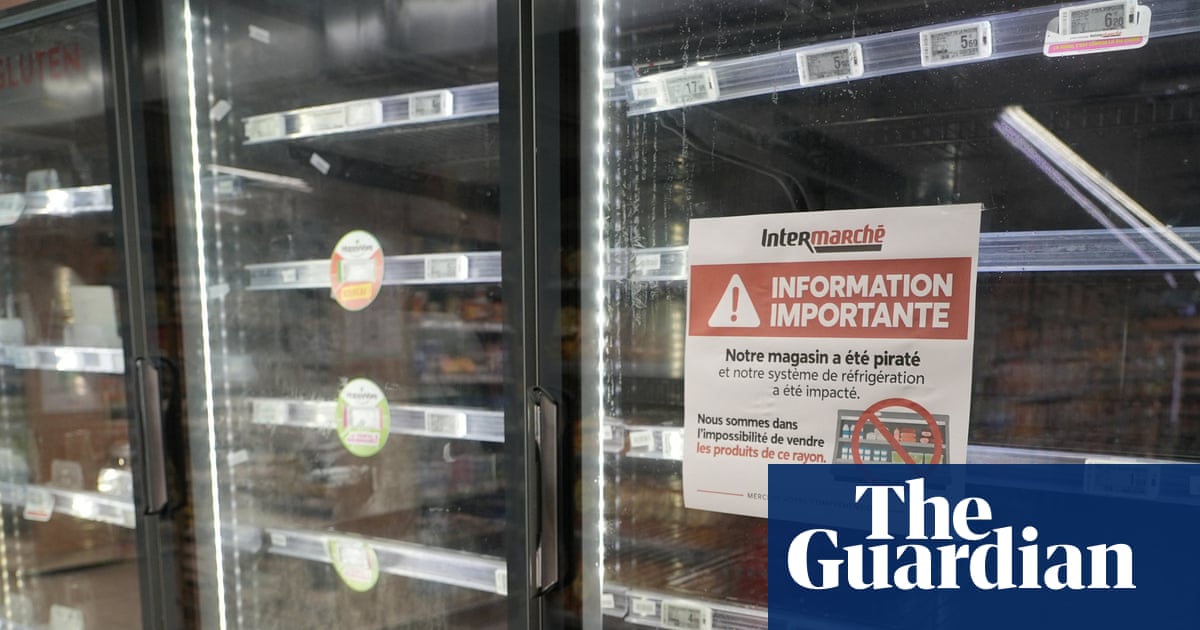
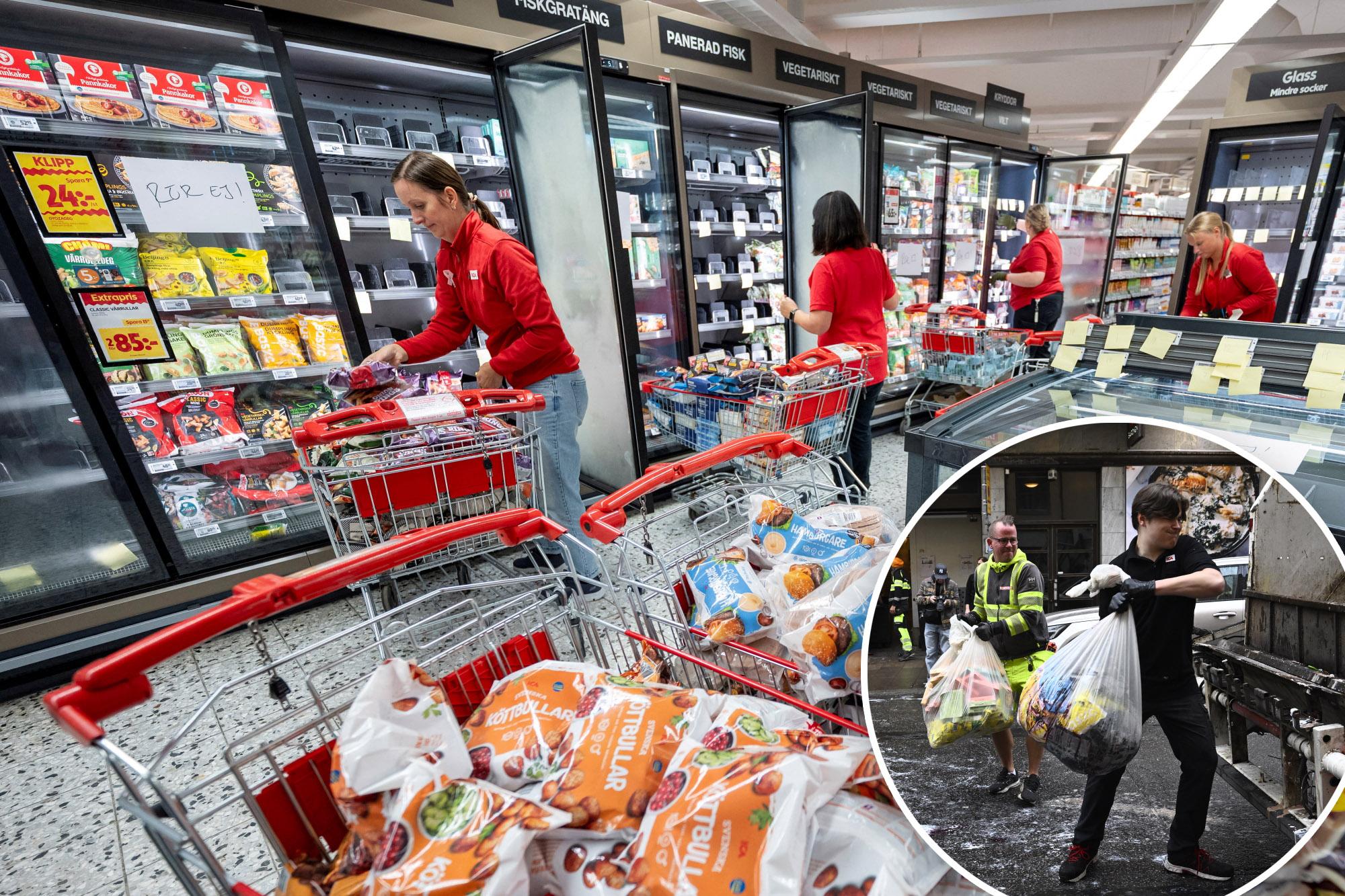
Following last week’s grocery cyberattack wave in Europe — where supermarkets in Sweden, Belgium, Luxembourg and Estonia were hit with unintended freezer and fridge temp increases initiated by remote hackers, forcing some stores to chuck spoiled food — the FBI has issued a public warning on X to grocers and authorities at cold storage facilities.
“The FBI and our partners are seeing malicious cyber activity targeting industrial refrigeration and cold-chain monitoring systems around the world,” reads FBI Cyber Branch account’s most recent post following the string of European incidents, as well as a batch of America-based freezer malfunctions that ruined food at six U.S. military base commissaries in August which are under investigation as a suspected hack.
“These systems help keep food, medicine, and other products at safe temperatures and are widely used across critical infrastructure sectors.”
The post goes on to explain that cyber-attackers have been utilizing electronic temperature and refrigeration controllers to do harm at grocery stores and cold storage facilities, including refrigeration components at three foreign blood service facilities.
“While this attack was unsuccessful due to the proper alert mechanisms in place, security weaknesses in unpatched or internet-accessible controllers can allow attackers to change system settings, potentially causing inventory loss and equipment damage,” the post warns.
The FBI is urging U.S. organizations that utilize these temperature control systems to take controllers off the public web, use a firewall for access, change default passwords, learn how vendors configure devices, set safe temperature limits and make sure alerts reach the proper contacts — reasoning that is explained in further detail in the FBI’s published advisory.
In an accompanying video message, Assistant Director of the FBI Cyber Division Brett Leatherman emphasized the importance of these precautions.
“These systems protect food and medicine across healthcare, food and agriculture, and other critical sectors here in the United States as well,” said Leatherman. “Attackers are getting in through controllers that are unpatched, reachable from the internet, or still using the default passwords listed in the manufacturer’s manual.”
Consumer reactions to the warning ranged from words of agreement to criticism to incredulousness.
“This is a massive security blind spot that people rarely talk about,” said one appreciative commenter. “Glad to see some awareness being raised on these vulnerabilities before things go south.”
“Another reason to not have a refrigerator hooked up to the internet,” said one skeptic.
“I never thought I would live to see refrigerators hacked,” added another stunned commenter.
Former FBI Special Agent Nicole Parker echoed the fear that U.S. grocers could be next.
“What we’re seeing right now is in Europe and other places, but it can very well happen on our soil,” Parker told Fox News Digital, adding that the temperature trickery could be used as a weapon of “psychological warfare.”
The Army Criminal Investigation Division’s Cyber Field Office, Defense Commissary Agency and the Defense Criminal Investigative Service (which all operate under the United States Department of Defense) are also currently working with French law enforcement to determine if any connection exists between the U.S. military base commissary temp issues and the European grocery store fridge problems.
Sean Tufts, field chief technology officer of cybersecurity firm Claroty, told Newsweek that “U.S. supermarkets should absolutely be paying attention to what is happening in Europe.”
“The same types of refrigeration controllers are used across the food retail industry, and many use remote connections so technicians can monitor equipment and make repairs without visiting every store,” Tufts explained. “When those connections aren’t properly secured, they can give attackers a way to interfere with systems that grocery stores depend on every day.”
Though Tufts warned that “any organization that handles temperature-sensitive goods is at risk and must take action to protect itself from a similar attack,” he emphasized that system operators being adequately informed on the risks and taking proper hacking prevention steps can make all the difference.
“True cyber resilience means getting ahead of risks by understanding where your systems are exposed before attackers do,” said Tufts. “Acting only after the ice cream melts and the food waste piles up is too late, and is a consequence the food supply chain can’t continue to bear.”