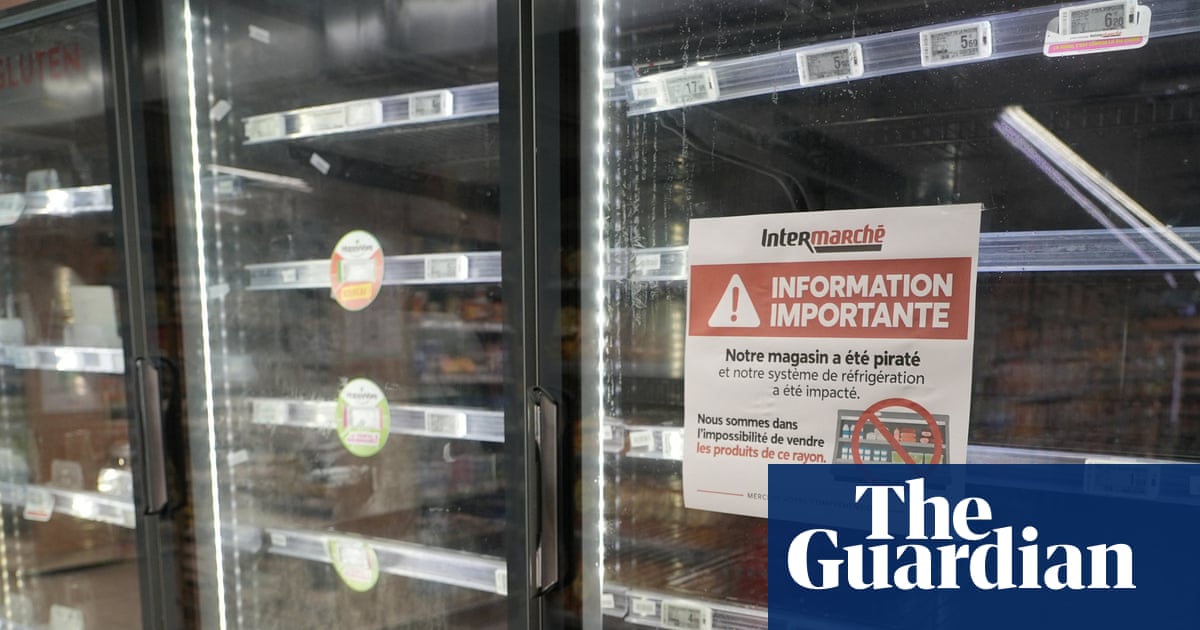
Empty refrigerators at an Intermarche supermarket in Paris the day after the cyberattack. Photograph: Lucien Libert/ReutersView image in fullscreenEmpty refrigerators at an Intermarche supermarket in Paris the day after the cyberattack. Photograph: Lucien Libert/ReutersAnalysisCyber-attack on French supermarket freezers has geopolitical contextDan Milmo Global technology editor‘Not particularly complex’ defrosting hack has been attributed to Iran, with presumption it is linked to others across Europe
In 2023 a state-backed group interrupted TV streaming services in the United Arab Emirates to broadcast a deepfake report on the war in Gaza. In the same year, hackers affiliated with Iran displayed the slogan “down with Israel” on the screens of water-control equipment made by an Israeli firm.
Now France has attributed an attack on supermarket fridges to hackers operating under the Islamic Revolutionary Guard Corps, a key branch of Iran’s military establishment.
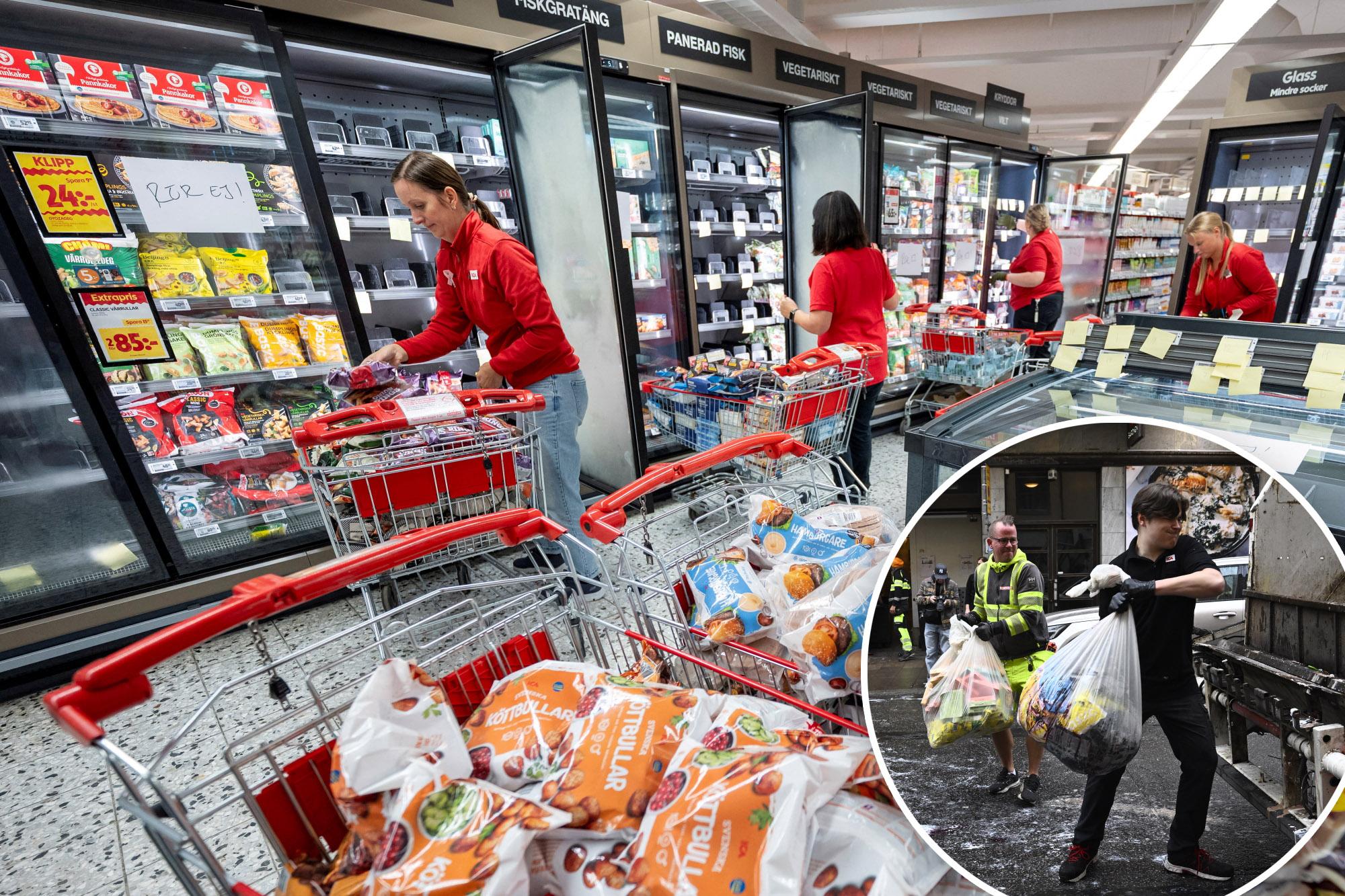
There was no message this time, but the disruption made headlines around the world. Some refrigerators had their temperature turned up so high they caught fire. In the hours after the hack, supermarket employees dumped piles of perished meat and melted ice-cream into rubbish containers.
France’s foreign minister described it as an act of “unprecedented scale and unprecedented aggression” and promised “Europe-wide sanctions” would be imposed against those responsible.
View image in fullscreenAn employee fills boxes of perished goods outside an Intermarche supermarket in Paris the day after the cyber-attack. Photograph: Lucien Libert/ReutersIt follows attacks on industrial freezers at an Israeli food production plant in May and a wave of freezer malfunctions that spoiled food at US military bases in August that are now reportedly being treated as a suspected hack. Those attacks have not been officially attributed to Iran, but the French announcement is the first to implicate the state in this type of hack.
Read moreRafe Pilling, a senior director at Sophos, a cybersecurity firm, said the relatively unsophisticated nature of the attack – hackers used default passwords to access fridge controls – was in line with Iranian capabilities. “The attacks themselves were not particularly complex,” he said.
Pilling said there was now a presumption the French attacks and a wave of rogue defrosting hacks across Europe last week were linked.
Hostile cyber operations against the west tend to come from a vexatious quartet of China, Russia, Iran and North Korea. All have different aims and characteristics: China has focused on industrial espionage and mass data gathering, Russia on disrupting enemy infrastructure and spreading disinformation, and North Korea on hacking crypto exchanges because it needs money. Iran, according to Pilling, wants to put a shot across the bow of its enemies.
View image in fullscreenBoxes of perished goods outside an Intermarche supermarket in Paris the day after the cyber-attack. Photograph: Lucien Libert/ReutersHot fridges, a fake nuclear alert and a $6bn heist: are we in the foothills of a hacking epidemic?Read more“In general Iran uses cyber-attacks to project power internationally and to signal their political displeasure with regional and international adversaries,” Pilling said.
The fridge hacks came as the UK’s national cybersecurity centre warned the country is in the “foothills” of a new level of cyber threat – and should expect a “huge rise” in the volume of incidents. The main concern is AI, a technology now capable of highlighting previously unforeseen flaws in IT systems and helping attackers plan and carry out attacks.
However, the underlying context of the fridge attacks is not AI but geopolitics. After all, the refrigeration system vulnerabilities were relatively easy to find and exploit. But a combination of groundbreaking technology and tense global relations makes for an alarming landscape.