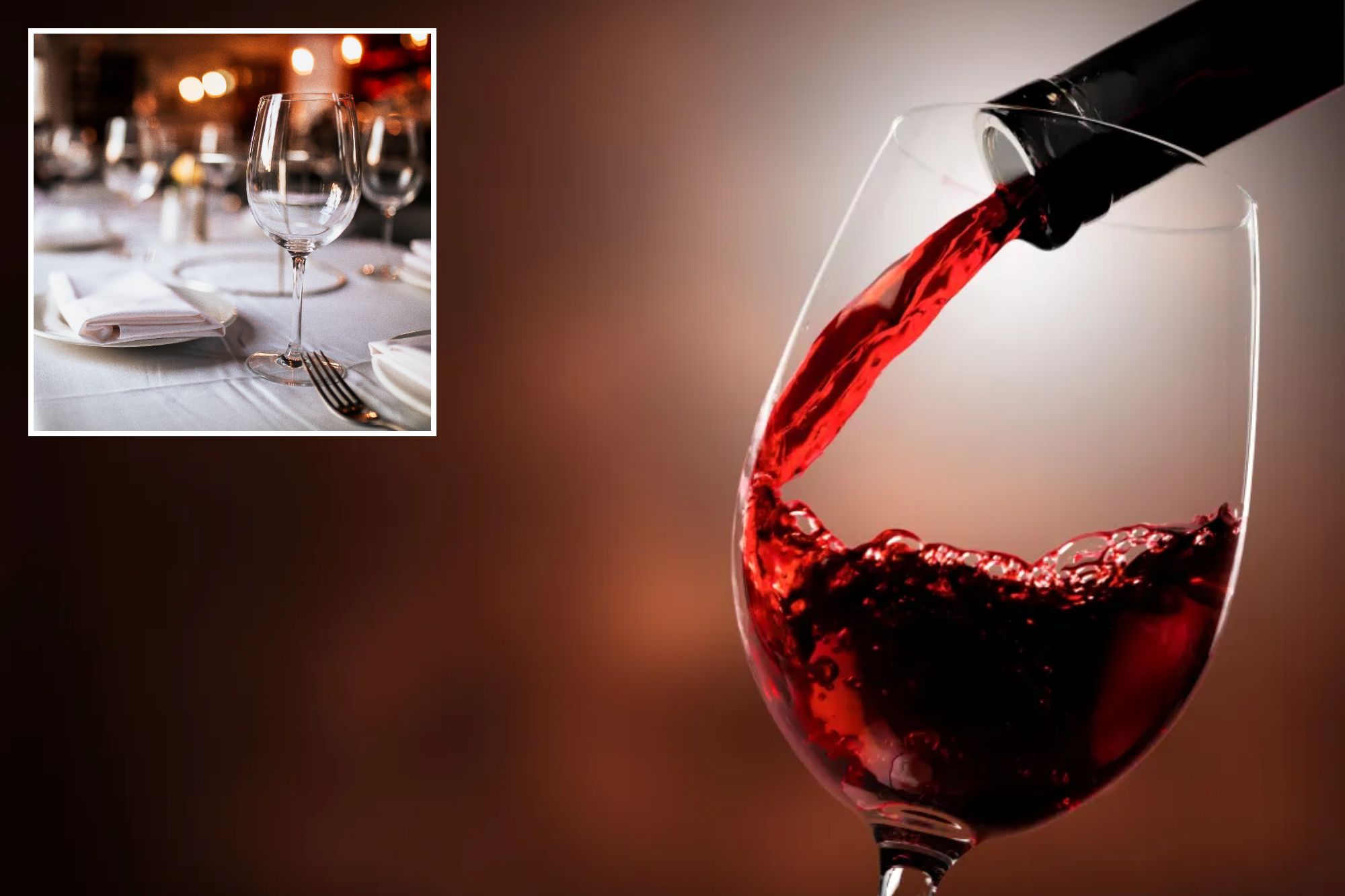
People aren’t ordering a bottle of wine for the table the way they used to, according to a new report. But industry experts say restaurants are making up for the revenue shortfall in other ways.
“We believe habits have shifted away from a group ordering a bottle of (typically red) wine to share with dinner in favor of the individuals in the group choosing their own preferred drink,” Liberty Wines, a UK-based distributor, reported in its “Premium On-Trade Wine Report 2026.”
The reasons for the new trend are myriad, say experts. More consumers are prioritizing healthy living, culinary options and conscious spending.
The US wine industry is grappling with one of its most painful downturns in decades as younger consumers cut back on drinking and baby boomers age out of the market, as Fox News Digital reported earlier this year.
To recoup the hit from fewer bottle orders on their bottom lines, restaurant operators are raising prices elsewhere.
“What we’re seeing now is a real push into non-alcoholic spirits and zero-proof programs that carry the same price point as a craft cocktail,” Sri Divel, founder of California-based marketing and brand strategy firm The Culinary CMO, told Fox News Digital.
“These aren’t the soda-and-lime mocktails of ten years ago,” Divel said. “These are muddled, multi-step builds — far more intricate than what we’re used to seeing, with house-made syrups, fresh herbs, smoked elements, the works.”
The non-alcoholic drink takes the same time and skill to build as a $16 cocktail, Divel said.
So it commands the same price — “and the guests get a real experience instead of feeling like they’re being penalized for not drinking. Operators who lean into this are protecting their check averages and giving the non-drinking guest a reason to come back.”
Start your day with all you need to know Morning Report delivers the latest news, videos, photos and more.
Monika Elling, CEO and founder of New York-based zero-sugar Prosecco company Lo Secco Prosecco, told Fox News Digital that restaurants “have priced drinks to no longer align with long-accepted, aggressive markups.”
Elling relayed an eye-watering bill she and a colleague received when they recently went out for drinks.
“She had an $18 mocktail, and I had a $27 martini,” Elling said. “The total with tax was $49, plus tip. We did not eat, yet we paid over $60 for two drinks.”
Rather than going big on a bottle at a restaurant, Elling said that “people are opting to drink at home, pregame. [They’ll] drink one glass during dinner — no longer two drinks or a bottle of wine.”
“Two glasses at $14 to $18 each feels manageable,” Divel said.
“An $80 bottle feels like a commitment. The bottle used to be the default for a table of four. Now it’s the exception. Throw in the fact that guests can pull up the retail price on their phone and see your markup in real time, and the bottle is getting a much harder look than it used to.”
Vinny Catalano, the “vinfluencer” behind the California-based “Vines with Vinny” Instagram account, said he’s begun to see non-alcoholic bubbles being offered “at prices comparable to alcoholic beverages.”
Asked about the wine-drinking experience by the glass compared with a bottle, Catalano said, “If the wine has been opened that day and served the same day, then there’s little difference in the taste of the wine.”
What is lost, though, Catalano told Fox News Digital, “is the romance of the experience of popping a bottle table-side.”
He added, “I feel that more bottles would actually be sold if people weren’t intimidated about talking to sommeliers.”
“I always engage the sommelier, talk about what we’re planning to eat, wine regions I like — and give a price cap of what I’m willing to spend. I have always gotten a great result, especially at places with big wine lists.”
Another option for people looking to keep the wine-bottle tradition alive while cutting costs is to bring their own bottle and pay for corkage, Catalano suggested.