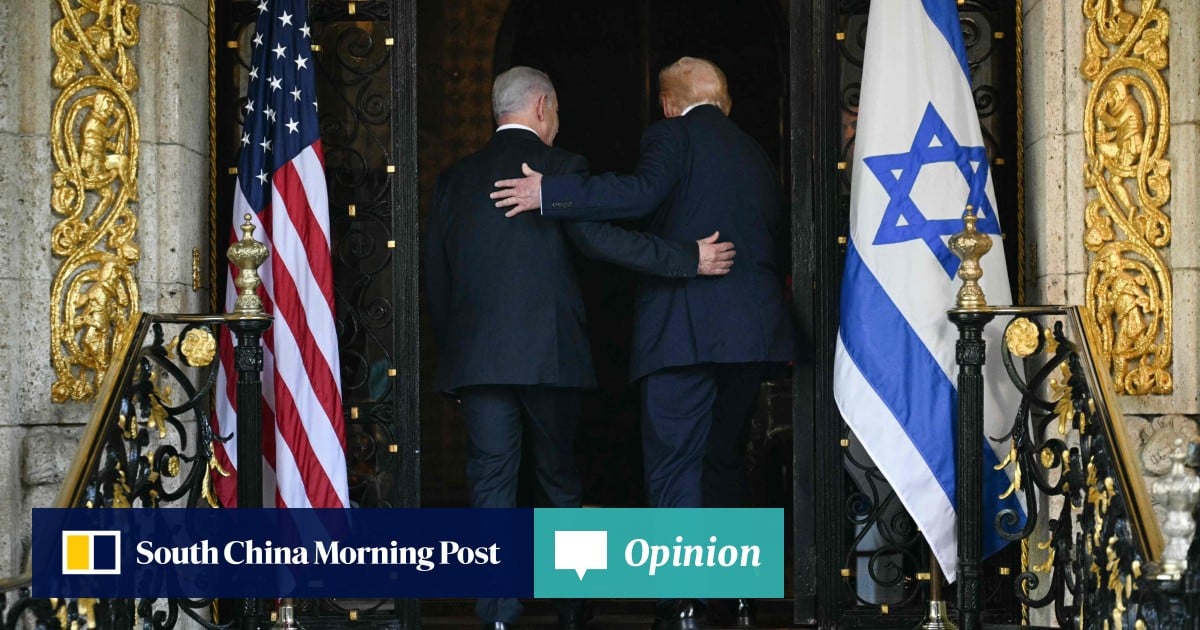
The challenge for US policymakers in the aftermath of Trump’s presidency may be to restore US importance among like-minded countries
3-MIN READ3-MIN ListenRob YorkRob York is a Hawaii-based policy analyst. Published: 8:30pm, 1 May 2026The need for the United States to start offloading some of its global responsibilities did not begin with Donald Trump.
More than a decade ago, when working as a journalist and graduate student, I heard from political scientists and other observers of US foreign relations that allies would, at some point, need to rely less on Washington and start boosting their own defence budgets; this was particularly true of America’s European and East Asian allies, facing US adversaries in Russia and China.
One could say this declaration has not aged well. Whether to offload responsibility or show the deep and abiding nature of their cooperation, officials such as US Secretary of State Marco Rubio have noted the influence of Israel’s government in convincing Trump that an attack on Iran would not only lead to Tehran’s downfall but that another, more cooperative Iranian leadership, could replace it.