Flight disruptions through Gulf hubs have cut Western arrivals, prompting tourism operators to chase travellers from Asia-Pacific markets
4-MIN READ4-MIN ListenBibek BhandariPublished: 5:00pm, 14 Apr 2026Nepal’s tourism industry is scrambling to offset a sharp fall in Western visitors during the peak spring trekking season, with operators and officials turning their attention to Asia-Pacific markets as conflict-linked travel disruptions ripple through the Middle East.Arrivals from the Americas and Europe, which account for a sizeable share of Nepal’s higher-spending long-haul tourism business, dropped by nearly 25 per cent and 19 per cent, respectively, during March compared with the same period last year, official figures show.
Even so, stronger demand from Asian markets helped limit the overall damage, with total visitor numbers slipping by just 1 per cent as the Iran war escalated last month.
Mani Raj Lamichhane, senior director at the Nepal Tourism Board, a semi-government body, said the decline reflected disruption to flights through Gulf hubs, which were crucial to Nepal’s long-haul connections.
More than 70 per cent of Nepal’s long-haul passengers came via the Middle East, mostly through Doha in Qatar and Dubai in the United Arab Emirates, he said.
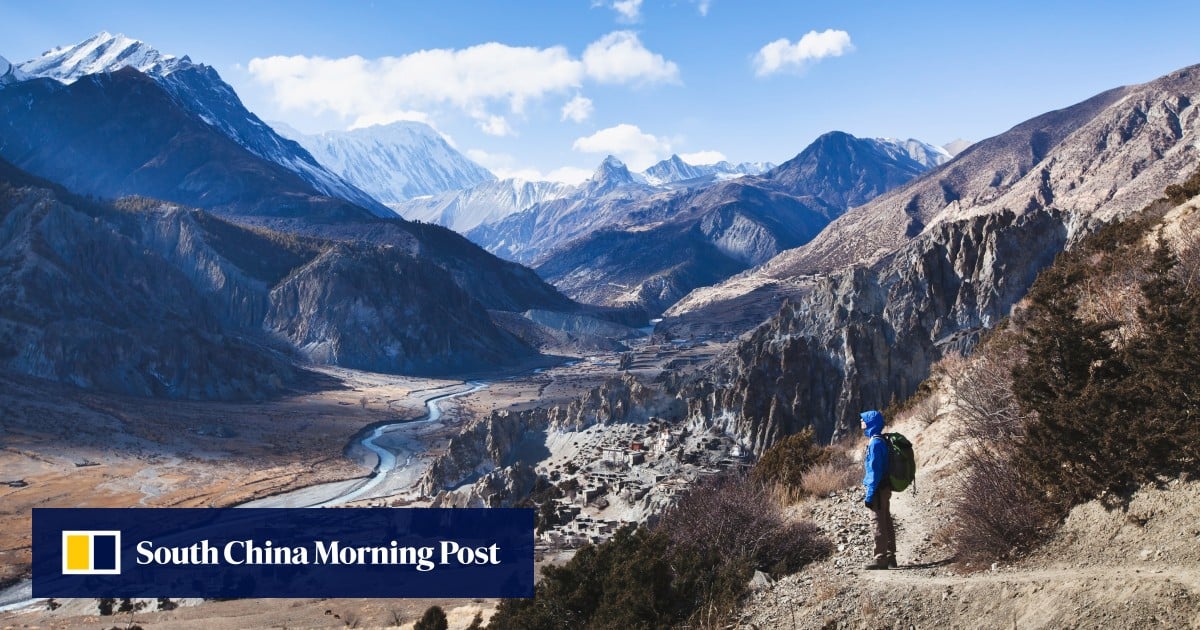
Home to eight of the world’s 10 highest peaks, Nepal draws tens of thousands of visitors each year to trek in the Everest and Annapurna regions, among others. Spring and autumn months are the busiest seasons, offering clearer skies and better trekking conditions.