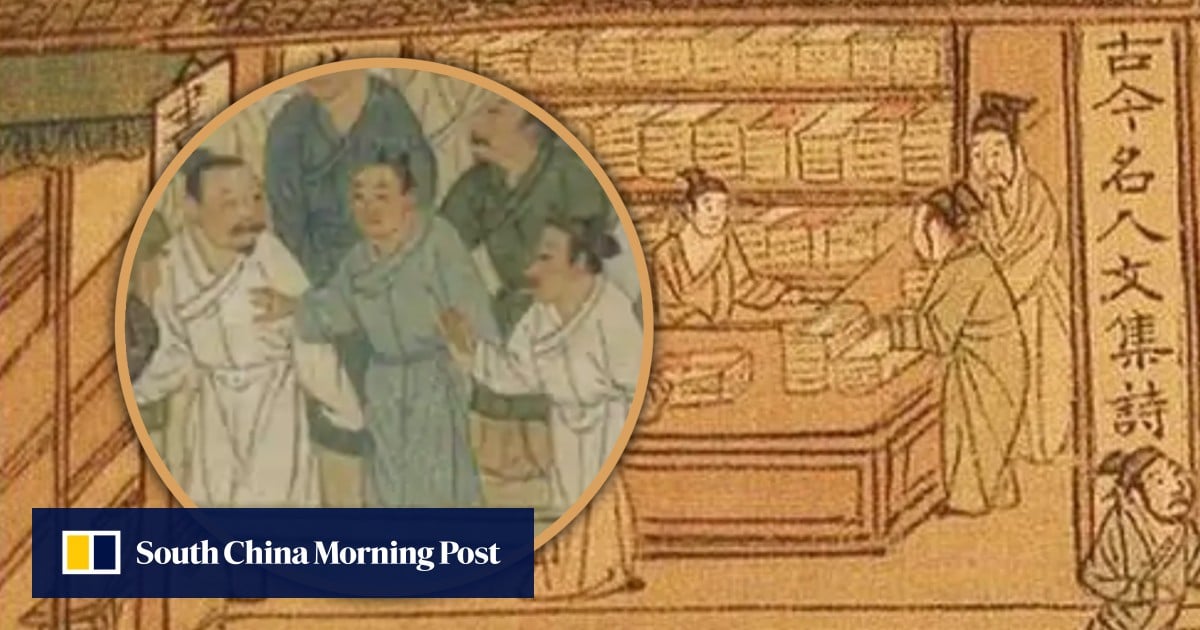
From eavesdroppers in teahouses to ‘inner informants’ in royal palaces, scandal merchants peddled stories of adultery and divorce
3-MIN READ3-MIN ListenZoey ZhangPublished: 9:00am, 11 Apr 2026Long before social media and camera lenses, ancient China had its own “paparazzi” who wielded ink, paper and a sharp tongue to unsettle the lives of the powerful.
In those days, gossip was more than idle chatter; it formed an informal information network linking teahouses, stage stations, street tabloids and officialdom.
During the Eastern Han dynasty (25–220), the imperial court established the Censorate, a body charged with monitoring official conduct.
Its censors watched for misconduct that might attract imperial scrutiny, including adultery, dereliction of duty, tax evasion and corruption.
The Left tracked officials and military affairs in the capital, while the Right gathered reports from the provinces, including local quirky stories.