Analysts warn that charging ships to pass through Hormuz could set a dangerous precedent for other strategic waterways and hit Asia hardest
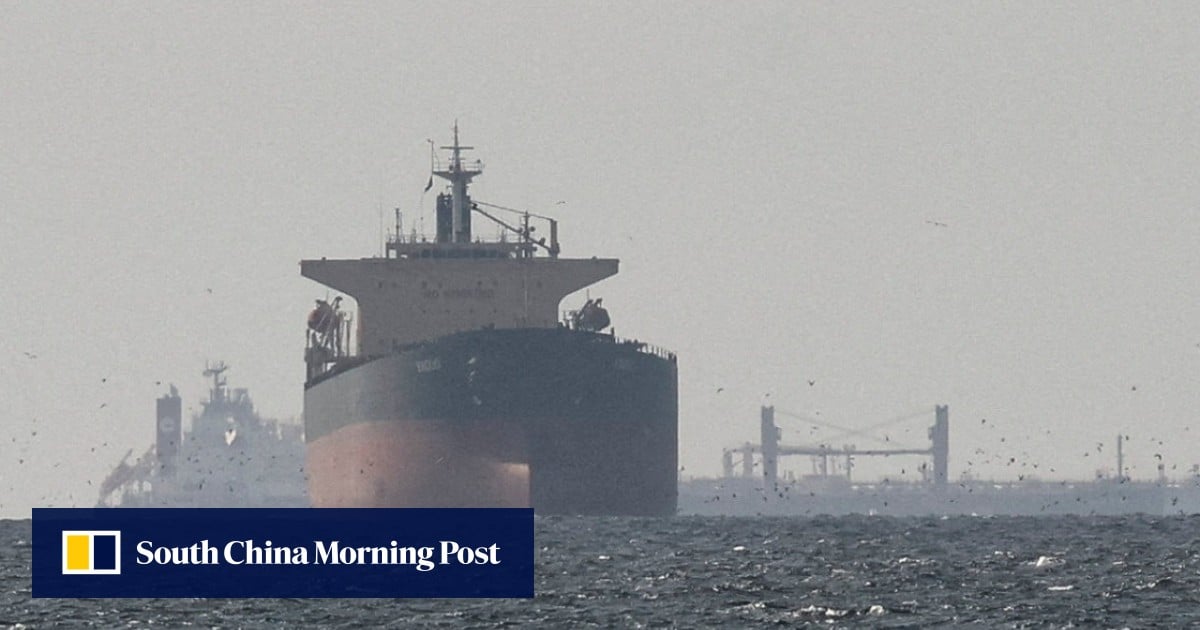
3-MIN READ3-MIN ListenUshar DanielePublished: 8:23pm, 10 Apr 2026Iran’s threat to impose tolls on vessels passing through the Strait of Hormuz is stirring concern far beyond the Gulf, sharpening fears that one of the world’s most important maritime chokepoints could be used as political leverage rather than governed by international rules.The concern is especially acute in Asia, which remains heavily reliant on Middle East energy supplies and exposed to any disruption in the waterway, through which nearly a fifth of the world’s oil passes.
Analysts warn that any attempt to turn access into a paid or politically conditioned passage could unsettle maritime law far beyond the Gulf, raising questions over how other strategic shipping lanes are governed.
Iranian officials have raised the idea of charging a toll for using the strait after this week’s ceasefire agreement between Washington and Tehran, according to Reuters, with the UN’s International Maritime Organization warning that any such move would set a “dangerous precedent”.
US and Iran agree to 2-week ceasefire amid Pakistani mediation efforts