NVO -0.14% NVDA -0.15% LLY +0.70% Explore stocks on Coinbase Trading disclosure Trading disclosure The above button links to Coinbase. Yahoo Finance is not a broker-dealer or investment adviser and does not offer securities or cryptocurrencies for sale or facilitate trading. Coinbase pays us for certain activity generated through this link. Prices displayed are informational.
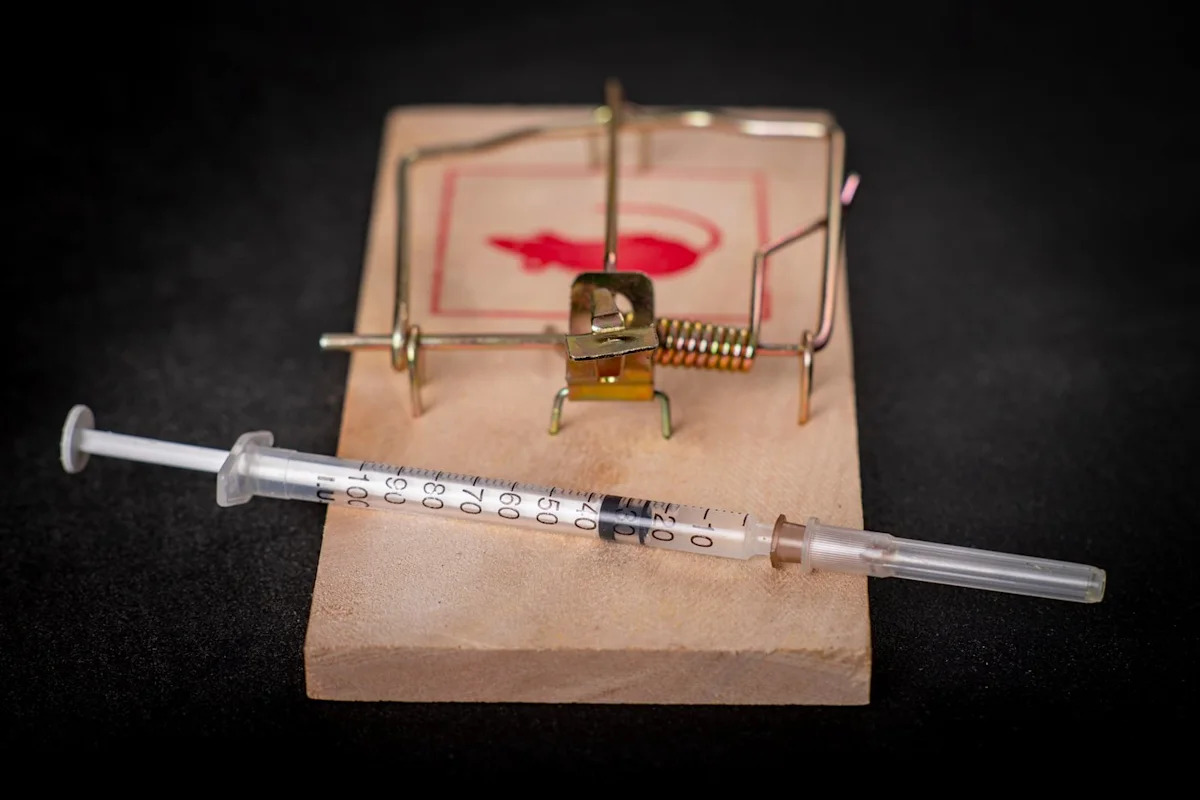
If the market for GLP-1 drugs wasn't already expanding rapidly enough, makers of these miracle drugs just got news that could accelerate its growth. A study conducted on mice and funded by the National Institutes of Health (NIH) has shown that the GLP-1 drug semaglutide extended lifespan in older, healthy mice by tempering the detrimental effects of aging.
Of course, researchers have long known that calorie restriction can have anti-aging benefits. And GLP-1 drugs are designed to suppress appetite, thereby reducing caloric intake. But the new study, conducted at the University of California, found that the drugs' effects on mice could be more than just a consequence of lower-calorie diets.
Missed AI's "Act 1"? Act 2 Could Be 14x Bigger. Most investors think they missed the AI boat because they didn't buy Nvidia in 2005. But according to our analysts, we're only at the end of "Act 1"—the R&D phase. "Act 2" is the global rollout. Continue »
In fact, the new study in healthy older mice offers evidence that these drugs may slow physiological aging itself. According to the NIH press release: "Compared with a control group, mice treated with the drug showed improved muscle and cognitive function. Gene expression analysis showed that several hallmarks of natural aging, such as increased inflammation and reduced regenerative capacity, were reduced in treated animals."
The study in question used the GLP-1 drug semaglutide, which is manufactured by Danish drugmaker Novo Nordisk (NYSE: NVO) and marketed as Ozempic for type 2 diabetes and Wegovy for obesity and chronic weight management.
Eli Lilly's (NYSE: LLY) main GLP-1 drug is called tirzepatide, which it markets as Mounjaro for diabetes and Zepbound for weight loss. Late last year, tirzepatide became the world's best-selling drug, knocking Merck's cancer drug Keytruda out of the top spot.
I assume that semaglutide's anti-aging effects in the study could be replicated with tirzepatide. And that should be fantastic news for both Novo Nordisk and Eli Lilly. Of course, the research remains a long way from establishing the same anti-aging results in humans. But if people believe it might, that will only encourage adoption of the drugs.
The use of GLP-1 drugs is growing rapidly. According to polling firm Gallup, Americans' use of GLP-1 injectables for weight loss has nearly quadrupled since 2024. The percentage of U.S. adults taking these weight loss drugs has risen to 11% this year, from 3% just two years ago. And 15% of U.S. adults report having used the medicine at some point.
The drugs are extremely effective at treating obesity. The adult obesity rate in the U.S. has fallen from 39.9% in 2022 to 36.8% in 2026.
J.P. Morgan Global Research forecasts that some 25 million Americans will be on GLP-1 treatment by 2030, up from about 10 million last year. That includes people taking the drugs for type 2 diabetes, but the effects on appetite are the same. And Morgan Stanley forecasts the market for the drugs will more than double from 2025 to 2035, to $190 billion.
The news about GLP-1 drugs just keeps getting better, and the major manufacturers continue to reap massive benefits. I like both of these stocks. While Lilly seems to be winning the GLP-1 race at the moment, Novo continues to develop new products. The potential size of the market for the drugs leaves lots of room for success by multiple competitors.
Before you buy stock in Novo Nordisk, consider this:
The Motley Fool Stock Advisor analyst team just identified what they believe are the 10 best stocks for investors to buy now… and Novo Nordisk wasn't one of them. The 10 stocks that made the cut could produce monster returns in the coming years.
Consider when Netflix made this list on December 17, 2004... if you invested $1,000 at the time of our recommendation, you'd have $391,581!* Or when Nvidia made this list on April 15, 2005... if you invested $1,000 at the time of our recommendation, you'd have $1,334,780!*
Now, it's worth noting Stock Advisor's total average return is 936% — a market-crushing outperformance compared to 213% for the S&P 500. Don't miss the latest top 10 list, available with Stock Advisor, and join an investing community built by individual investors for individual investors.
*Stock Advisor returns as of October 16, 2026.
Matthew Benjamin has positions in Novo Nordisk. The Motley Fool has positions in and recommends Eli Lilly, Merck, and Novo Nordisk. The Motley Fool has a disclosure policy.
Novo Nordisk and Eli Lilly Just Got Some Fantastic News was originally published by The Motley Fool