ShareSaveAdd as preferred on GoogleCaroline DaviesGetty ImagesIn the hours before the two-week ceasefire between Iran and the US was announced, there were some small signs of hope from Pakistan.
Speaking anonymously, a Pakistan source told the BBC that the talks continued "at pace", with Pakistan operating as an intermediary between Iran and the US.
Those conducting the negotiations from Pakistan's side consisted of "a very small circle" and that the mood was "sombre and serious but still hopeful that a cessation of hostilities will be the outcome. There are a few hours left." The source said they were not part of that small circle.
Pakistan has acted as an intermediary between Iran and the US over the last few weeks, passing messages between the two. It has a historic relationship with Iran, a shared border and regularly refers to its "brotherly" relationship with the country.
As for the US relationship, President Trump has referred to the head of Pakistan's armed forces, Field Marshall Asim Munir, as his "favourite" Field Marshall and said that he knows Iran "better than most".
An agreement was far from certain. Speaking in parliament on Tuesday night, Pakistan's Foreign Minister Ishaq Dar said: "Until yesterday we were very optimistic that things are moving in a positive direction," before Israel launched an attack on Iran on Monday and Iran attacked Saudi Arabia.
Pakistan he said "was still trying to manage things as much as possible".
Field Marshall Munir was even more overtly critical. Speaking to military officials on Tuesday, he said the attack on Saudi Arabia "spoils sincere efforts to resolve the conflict through peaceful means".
This was some of the strongest language used by Pakistan towards Iran since the conflict began.
Some analysts suggested that this could add to the pressure on Iran. Pakistan has a defence pact with Saudi Arabia, which has currently not been invoked, despite repeated attacks on Saudi Arabia.
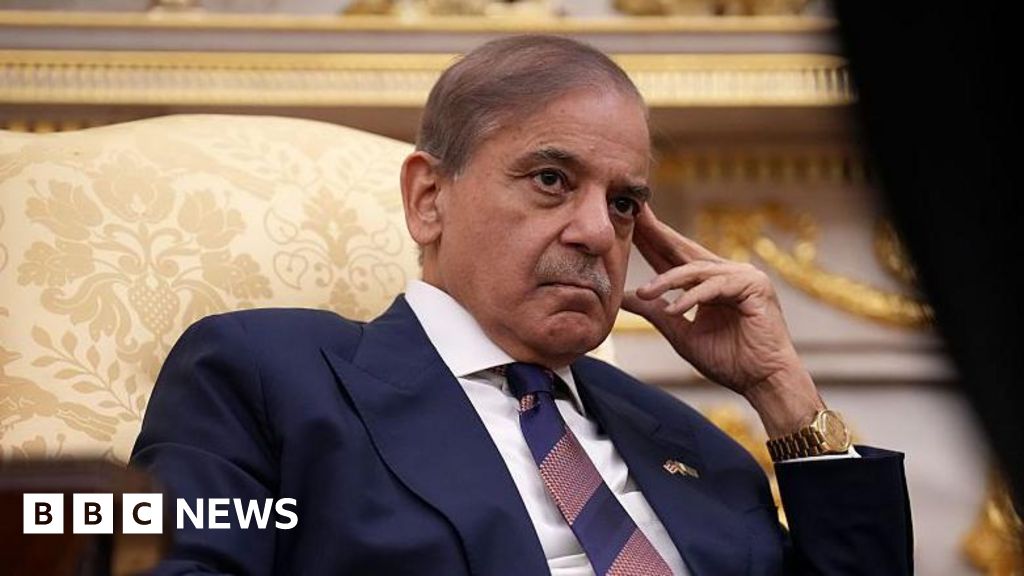
After midnight in Pakistan, the country's Prime Minister posted on X that "diplomatic efforts… are progressing steadily, strongly and powerfully with the potential to lead to substantive results in near future" and asked President Trump to extend the deadline for two weeks and for Iran to open the Strait of Hormuz for the same period.
Iran's ambassador to Pakistan, Reza Amiri Moghadam, posted on X around 03:00 local time (midnight BST) that there had been "a step forward from critical, sensitive stage".
Just before 05:00, Pakistan's Prime Minister announced that a ceasefire had been agreed and invited the two sides to meet in Islamabad on Friday, 10 April to "further negotiate for a conclusive agreement".
"We are still being very circumspect," the Pakistan source told the BBC, saying that there was a "continued fragility" to the situation. There is still no trust between the two sides, with strongly entrenched positions.
While Pakistan may yet host both at a table the question is what can they find to agree on.