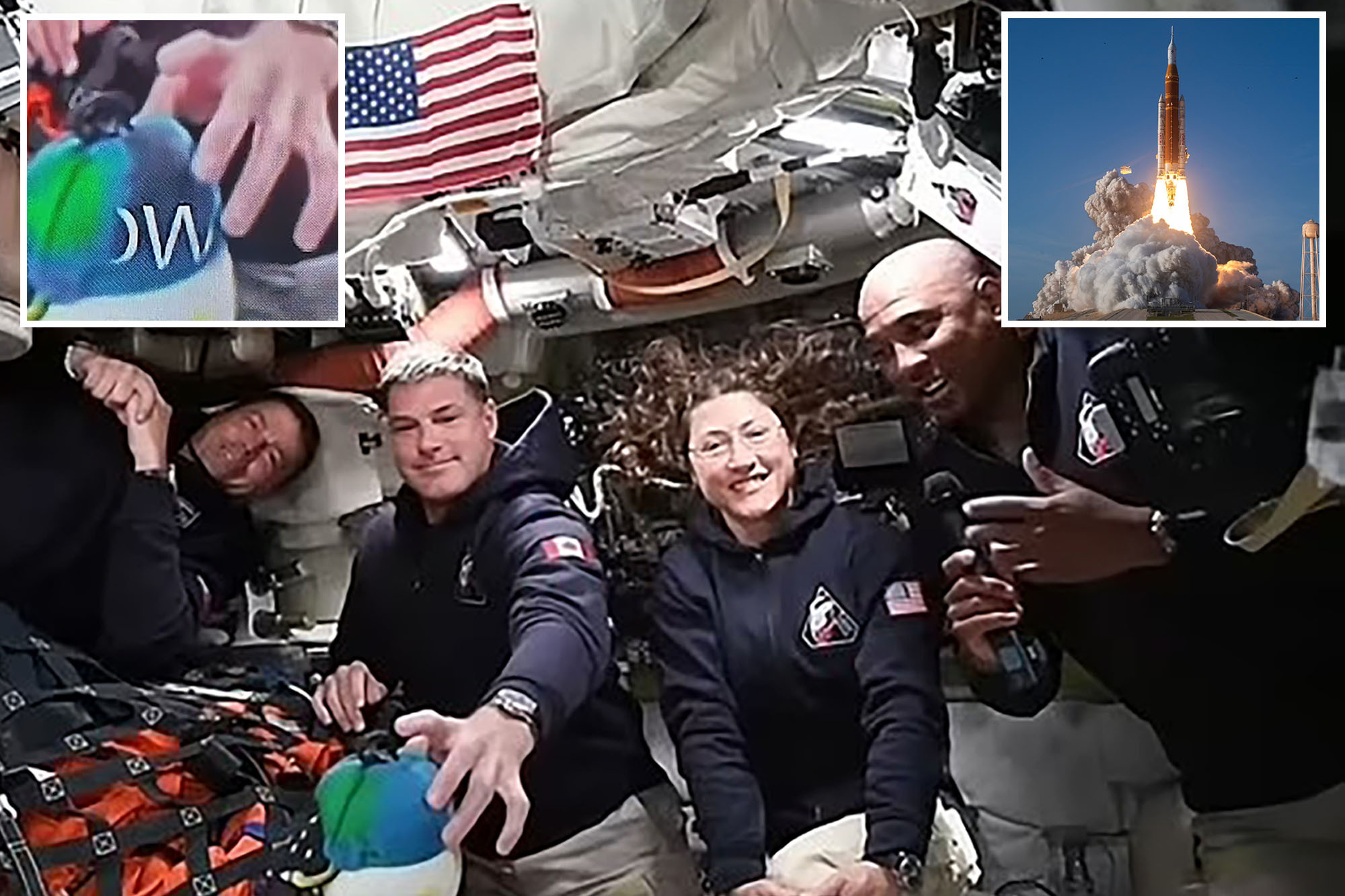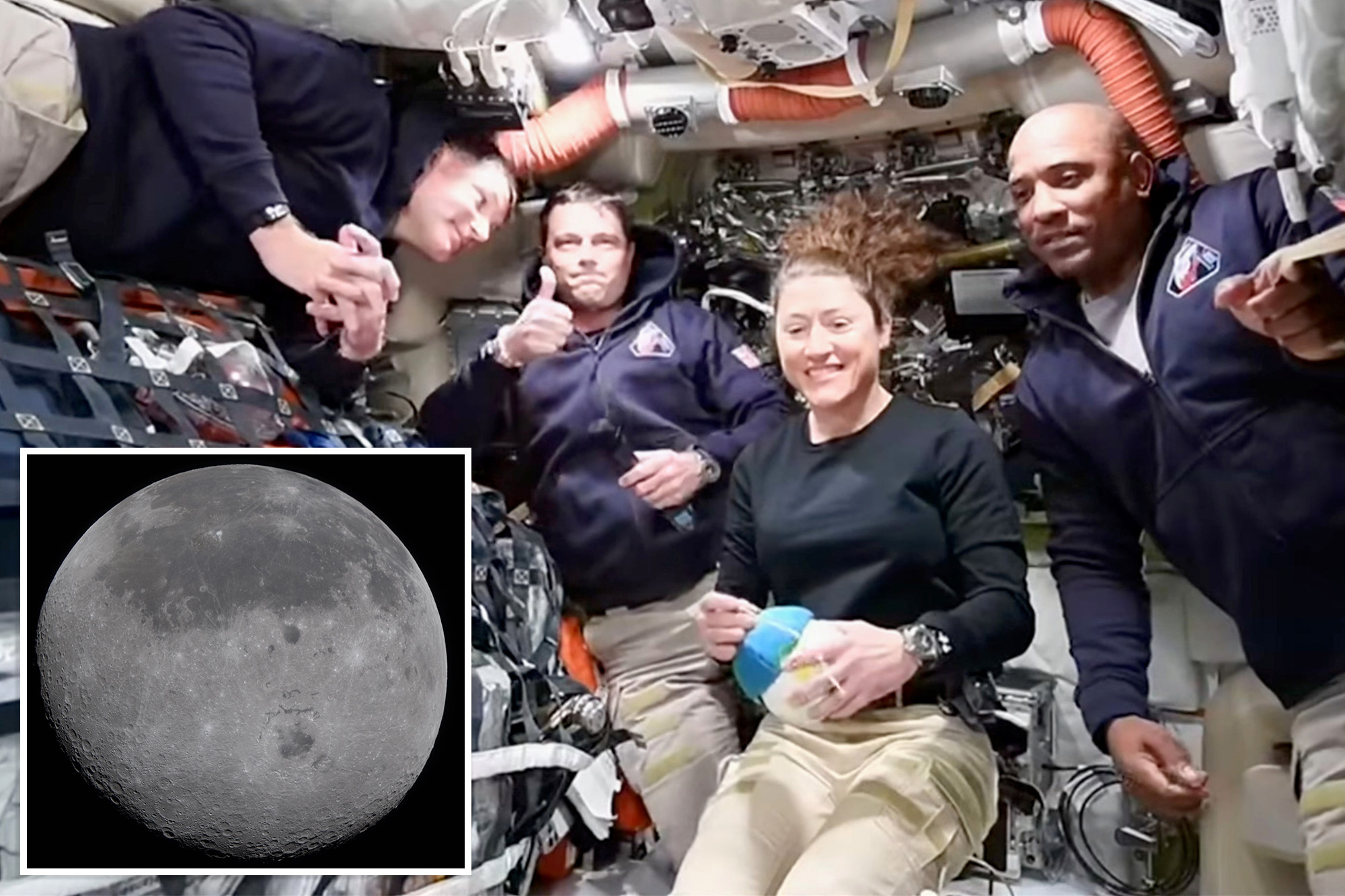
Artemis II began its historic flyby of the moon Monday in what is the mission’s showstopper event — giving its crew and Earthlings back home their first glimpses ever of parts of the lunar dark side.
The capsule began the flyby around 2:45 p.m. ET, and will spend just over six hours arcing around the moon with its windows pointed toward the far side of the lunar surface.
Follow The Post’s live updates on the launch of NASA’s Artemis II mission to the moon
All four crew members will become the first people in history to see certain swaths of the far side — since most it remained in shadow when the Apollo missions orbited the moon over 50 years ago.
The Apollo flights were also so close to the surface that their range of sight was limited.
But Artemis II’s flyby is different — the capsule will stay between 4,000 and 6,000 miles from the lunar surface, which will allow the crew to see the entirety of the far side under the full light of the sun.
The moon will appear about the size of a basketball held at arm’s length to the crew looking out the Orion capsule’s windows.
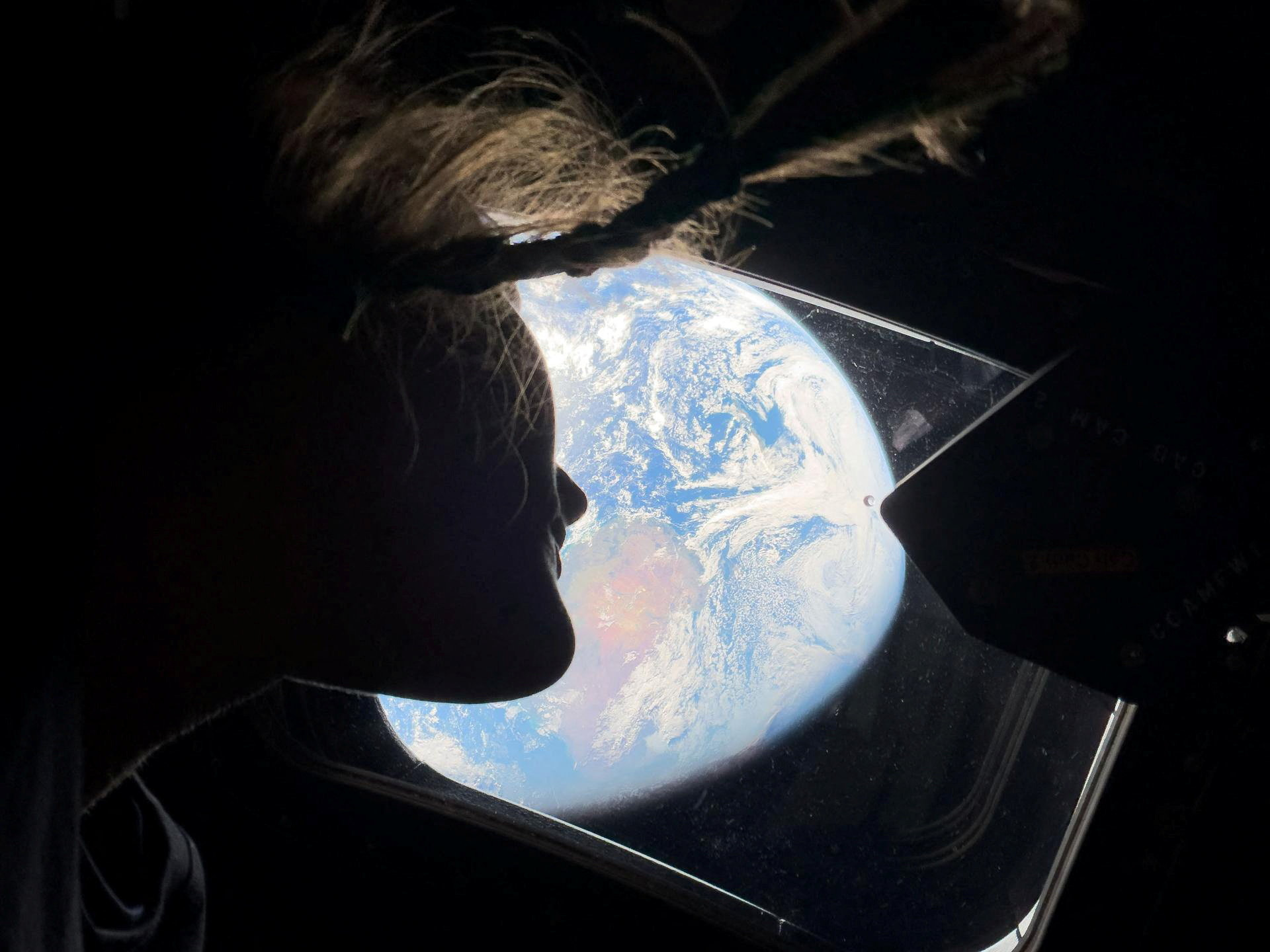
It was also about three to four times larger than Earth as the flyby began, the crew reported.
Artemis II’s astronauts will spend the flyby photographing and making in-person observations of the far side as part of their research.
They will also lose contact with Earth about halfway through the flyby around 6:44 p.m. ET, when the moon itself blocks communications signals between the capsule and Earth.
Communications should be re-established around 7:25 p.m., minutes after Artemis makes its closest pass to the lunar surface at about 4,000 miles in altitude.
The crew has already set the record for the furthest distance traveled from Earth around 2 p.m. ET, when they flew further than Apollo 13’s 248,655-mile record which had stood unbroken since 1970.
Artemis II will continue breaking that record, reaching about 252,757 miles from Earth by the time they’re through.
The flyby will end around 9:20 p.m., and the crew will be on their way home to Earth from then on.
But they won’t need to fire their thrusters to get back, as the capsule will have used the moon’s gravity to slingshot it back to Earth.
It will be a four-day journey home, with the capsule expected to splashdown in the Pacific Ocean around 8:07 p.m. ET on Friday.
And if all goes well, astronauts will go back up for an Earth-orbiting mission in 2027 under Artemis III and then walk on the moon in 2028 for Artemis IV.