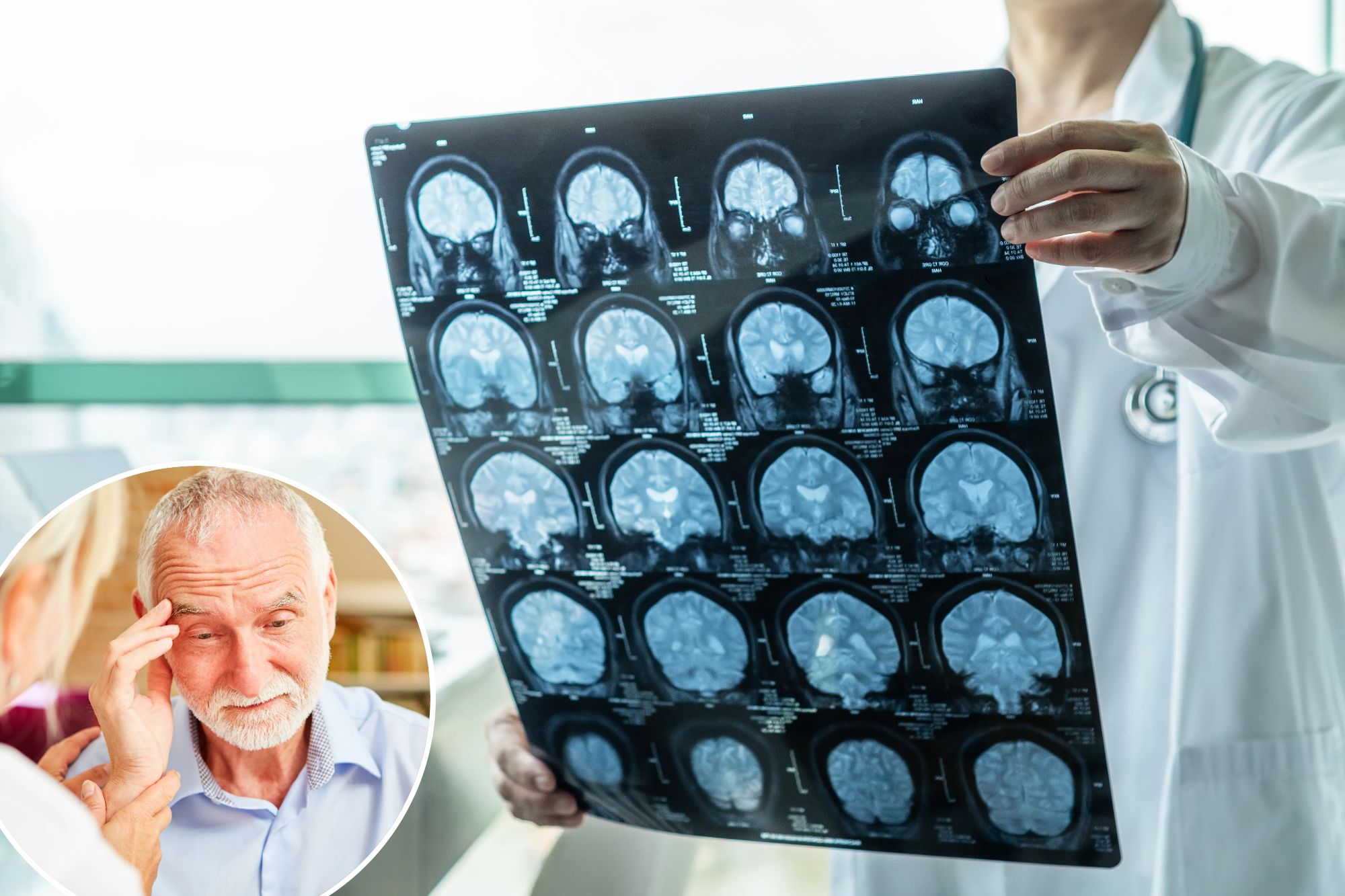
This might make you think twice about skipping your annual shot.
A new study suggests older Americans who get a high-dose version of a common vaccine may face a lower risk of developing Alzheimer’s dementia than those who stick with the standard jab.
The protective effect appears strongest in women — who are about twice as likely as men to develop the memory-robbing disease.
Across the country, more than 7 million Americans are living with Alzheimer’s, a condition that claims more lives each year than breast and prostate cancer combined.
If current trends hold, that number is expected to hit a staggering 13 million by 2050, with a new case emerging every 33 seconds.
Now, scientists say the influenza vaccine might help slow that surge.
While the flu shot is recommended for nearly all Americans each year, since 2022 the CDC has encouraged adults 65 and older to get a version about four times stronger than what the general population receives.
The reason is simple: As we age, our immune systems naturally weaken, and studies show the high-dose shot does a better job protecting older adults from serious flu complications compared with the standard version.
Earlier research from UTHealth Houston found that seniors who got the standard flu shot were already 40% less likely to develop Alzheimer’s over a four-year period compared with those who skipped it.
The high-dose version, however, appears to supercharge that benefit.
In a study of nearly 200,000 adults age 65 and older, researchers found that the stronger shot cut Alzheimer’s risk by nearly 55% over about two years.
Both men and women saw a drop in risk, but women appeared to get longer-lasting and more consistent benefits, though researchers aren’t sure what drives the difference.
Looking ahead, scientists are trying to figure out exactly how the stronger flu vaccine may help fight Alzheimer’s.
One leading theory is that it boosts the immune system while tamping down inflammation in the brain, which is believed to play a key role in the disease’s development.
“Enhanced [flu vaccines] confer greater protection against influenza infection, thereby decreasing risk of severe illness and the associated systemic inflammation that can promote neuroinflammation and neurodegeneration,” the study authors wrote.
One possible factor is healthy-user bias. The scientists noted that people who get a high-dose flu shot may also be more proactive about their health in ways that could lower their dementia risk.
There were other gaps too, including missing information on mortality and socioeconomic factors.
Still, the findings align with a growing body of research that suggests certain vaccines may help protect the brain.
For example, recent studies suggest the shingles vaccine may not only lower the risk of dementia but also slow cognitive decline in people who already have it. Similar benefits have been seen with the RSV and Tdap vaccines.
The new flu shot findings come as vaccination rates continue to lag compared with pre-Covid levels.
In 2024, just 67.1% of Americans 65 and older got some form of the jab, down from 70.5% in 2019, according to CDC data.