The administration has said that granting citizenship to virtually anyone born on US soil has created incentives for illegal immigration and led to “birth tourism,” by which foreigners travel to the United States to give birth and secure citizenship for their children.
An eventual ruling by the Supreme Court endorsing the administration’s view could affect the legal status of as many as 250,000 babies born each year, according to some estimates, and require the families of millions more to prove the citizenship status of their newborns, Reuters reported.
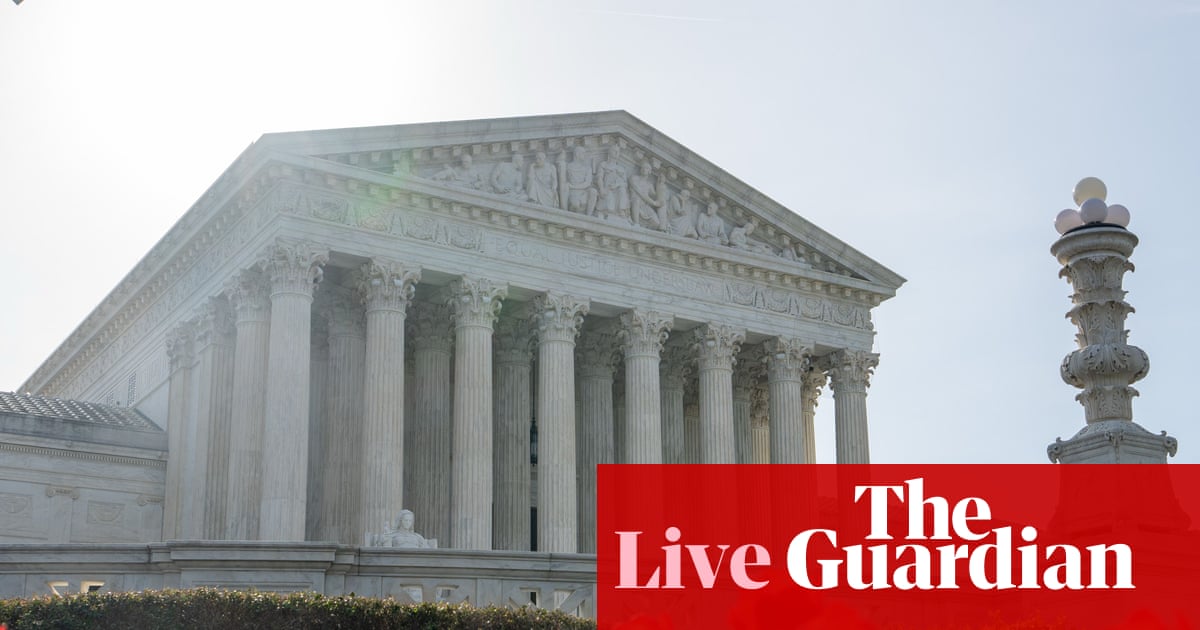
The 14th Amendment was ratified in 1868 in the aftermath of the Civil War of 1861-1865 that ended slavery in the United States, and overturned a notorious 1857 Supreme Court decision that had declared that people of African descent could never be US citizens. Concord, New Hampshire-based US District Judge Joseph Laplante last July let the challenge to Trump’s order by these plaintiffs proceed as a class, allowing the policy to be blocked nationwide.
The challengers have said the Supreme Court already settled the question of birthright citizenship in an 1898 case called United States v Wong Kim Ark, which recognized that the 14th Amendment grants citizenship by birth on US soil, including to the children of foreign nationals.
The administration contends that the 1898 precedent supports Trump’s order because, according to the court’s ruling in that case, at the time of his birth, Wong Kim Ark’s parents had permanent domicile and residence in the United States.