From Iran to Afghanistan, the cold logic of ruthless pragmatism ensures human life and welfare are always the biggest casualties
3-MIN READ3-MINJawad KhalidPublished: 5:30am, 1 Apr 2026As with any conflict, the war in Iran has driven people to choose sides and adopt partisan positions. This includes the view that, despite the acts of aggression by the US and Israel, the Islamic Republic somehow “deserves” the attacks due to years of regional instability caused by its Axis of Resistance.This is not to suggest that the Iranian regime has always been a victim. The Islamic Revolutionary Guard Corps’ transgressions through the Quds Force have been well documented.
But let’s be honest about what we are witnessing. This is realpolitik. This is how states operate within the paradigm of realism in international relations: the selfish and often ruthless protection and projection of national interests. From a humanitarian perspective, this is deeply troubling. Realism is no friend of human welfare. Its only consistent outcome is the erosion of human life and dignity in pursuit of strategic gain.
Yet, to single out Iran for pursuing its interests and justify foreign aggression and attacks on its soil as a form of punishment for its strategic behaviour is intellectually inconsistent. If we accept realism as the framework, then it must be applied universally, not selectively.
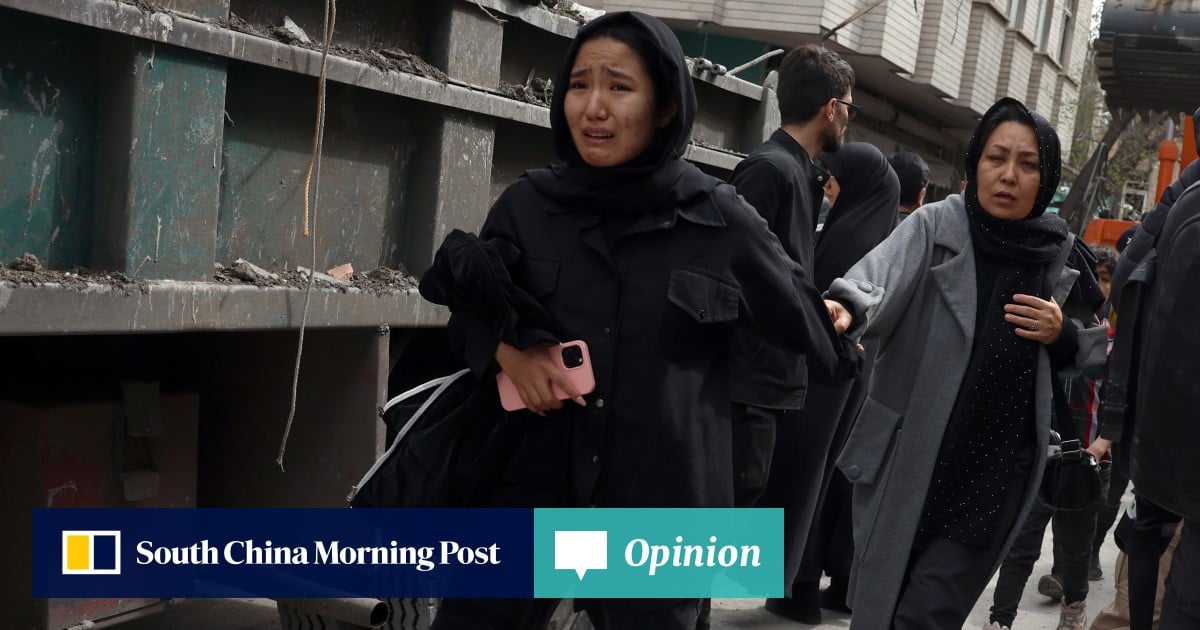
Meanwhile, Iran’s actions against its adversaries and US-aligned states in the region, particularly Arab states, have also contributed to the instability. Many would argue that countries like the United Arab Emirates, and others, deserve retaliation for their past conduct. But in targeting these states, Iran has created real and immediate consequences that extend far beyond governments and elites.
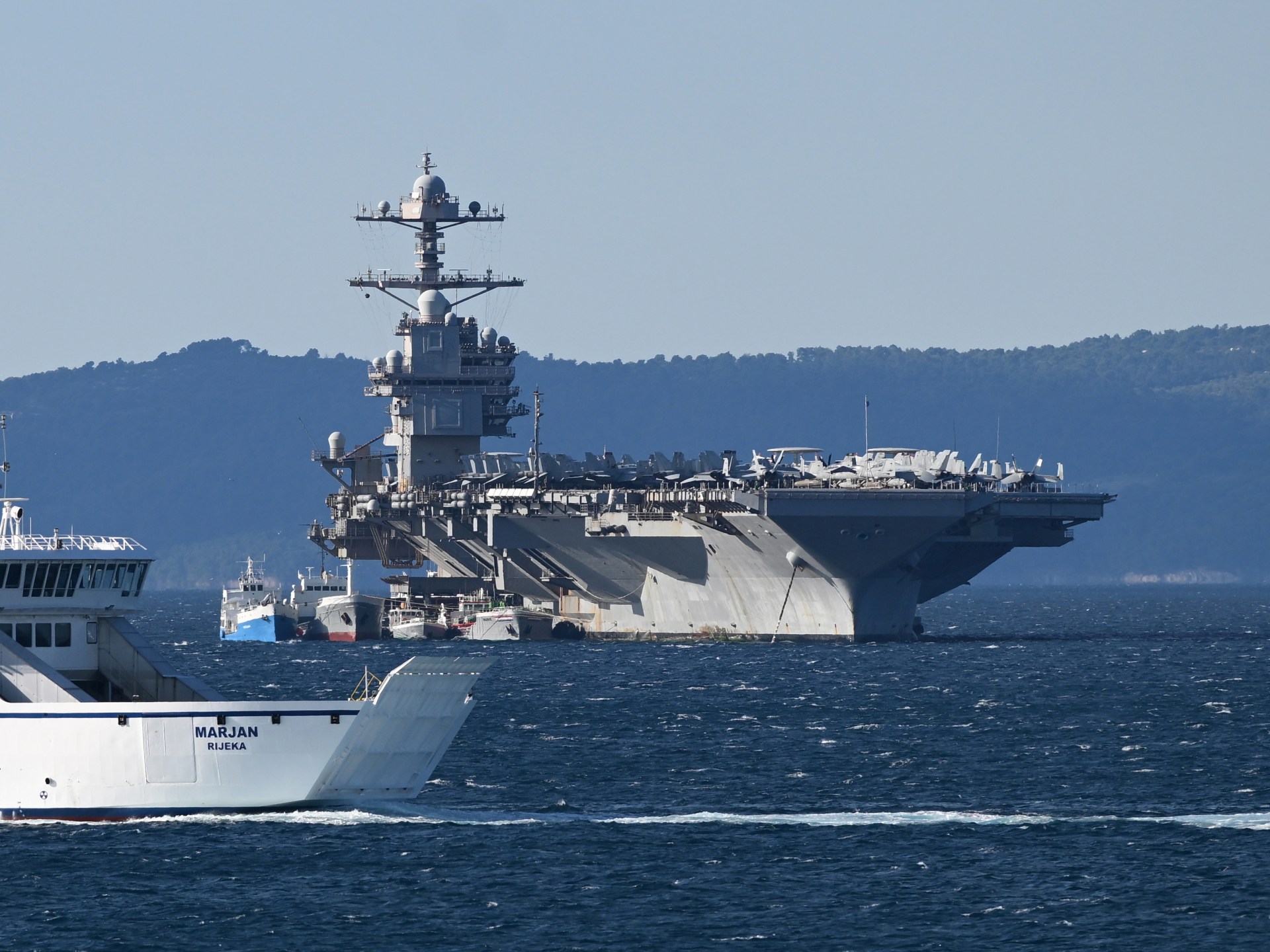
Oil production has plummeted throughout the Persian Gulf. The Strait of Hormuz has been disrupted. Oil shipments have been delayed or blocked, sending ripples through global markets.