Beijing could see its regional leverage grow as the Iran war hits supply, though weaponisation of exports is unlikely, analysts say
3-MIN READ3-MIN ListenDewey Simin BeijingPublished: 10:00pm, 31 Mar 2026The US-Israel war on Iran has crippled exports of fertiliser from the Persian Gulf, raising the spectre of higher food prices if the conflict drags on.The disruption could hand China – the world’s largest fertiliser producer – greater political leverage over countries already locked in disputes with Beijing, though it is unlikely to weaponise exports, according to analysts.
Global fertiliser prices have soared since Iran effectively blocked shipping through the Strait of Hormuz, through which exports flow from major producers such as Saudi Arabia and Qatar.
Since the war began in late February, the price of urea – the world’s most widely used nitrogen fertiliser – has reportedly jumped from around US$400 per tonne to US$700.
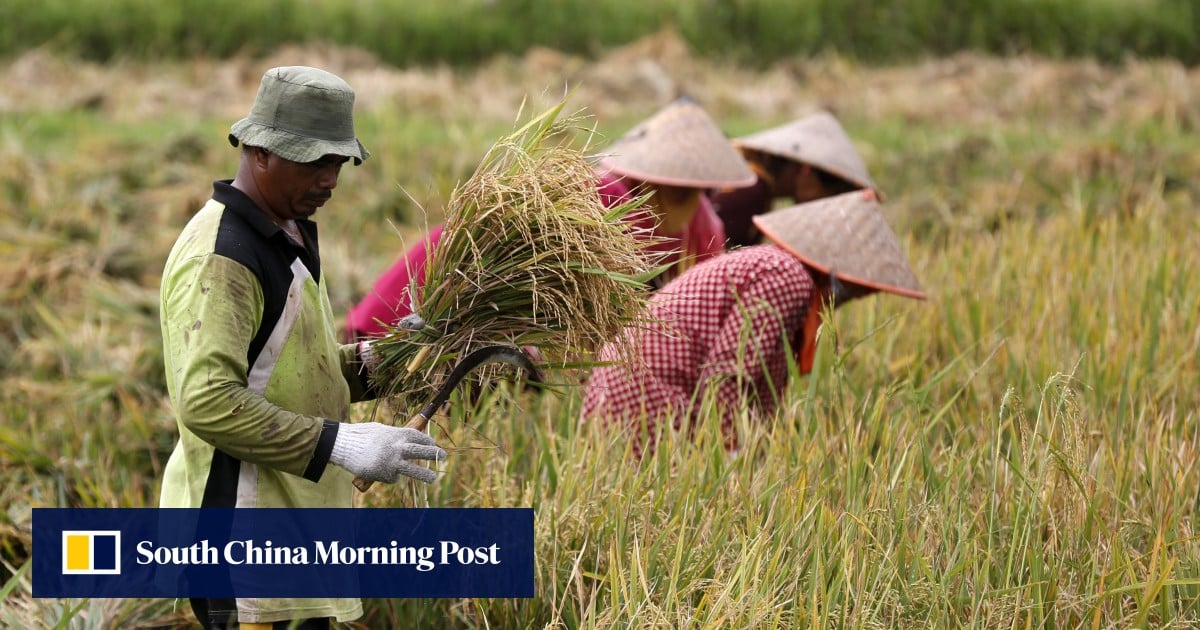
Southeast Asia has been hit especially hard. Researchers say 80 per cent of the fertiliser used in the region is imported from elsewhere. Indonesia, Vietnam and the Philippines are among the region’s largest buyers of Gulf urea and ammonia.