Add The New York Post on Google An Alabama tech worker who spent more than four decades behind bars for the murder of his wife could soon walk free — after a federal judge blasted evidence in his case as “junk science” and ordered a new trial, according to a report.
Charles McCrory was convicted of beating Julie Bonds McCrory to death in 1985 in a case that hung almost entirely on now-debunked “bitemark evidence” that prosecutors said he made in a fit of rage, according to AL.com.
But the evidence — which the trial’s main dental expert has since recanted — is now considered largely unreliable and unscientific, Chief U.S. District Judge Austin Huffaker Jr. wrote in an order Monday.
“The bitemark evidence clearly prejudiced the outcome of McCrory’s trial, especially in light of the other evidence presented at trial,” Huffaker wrote.
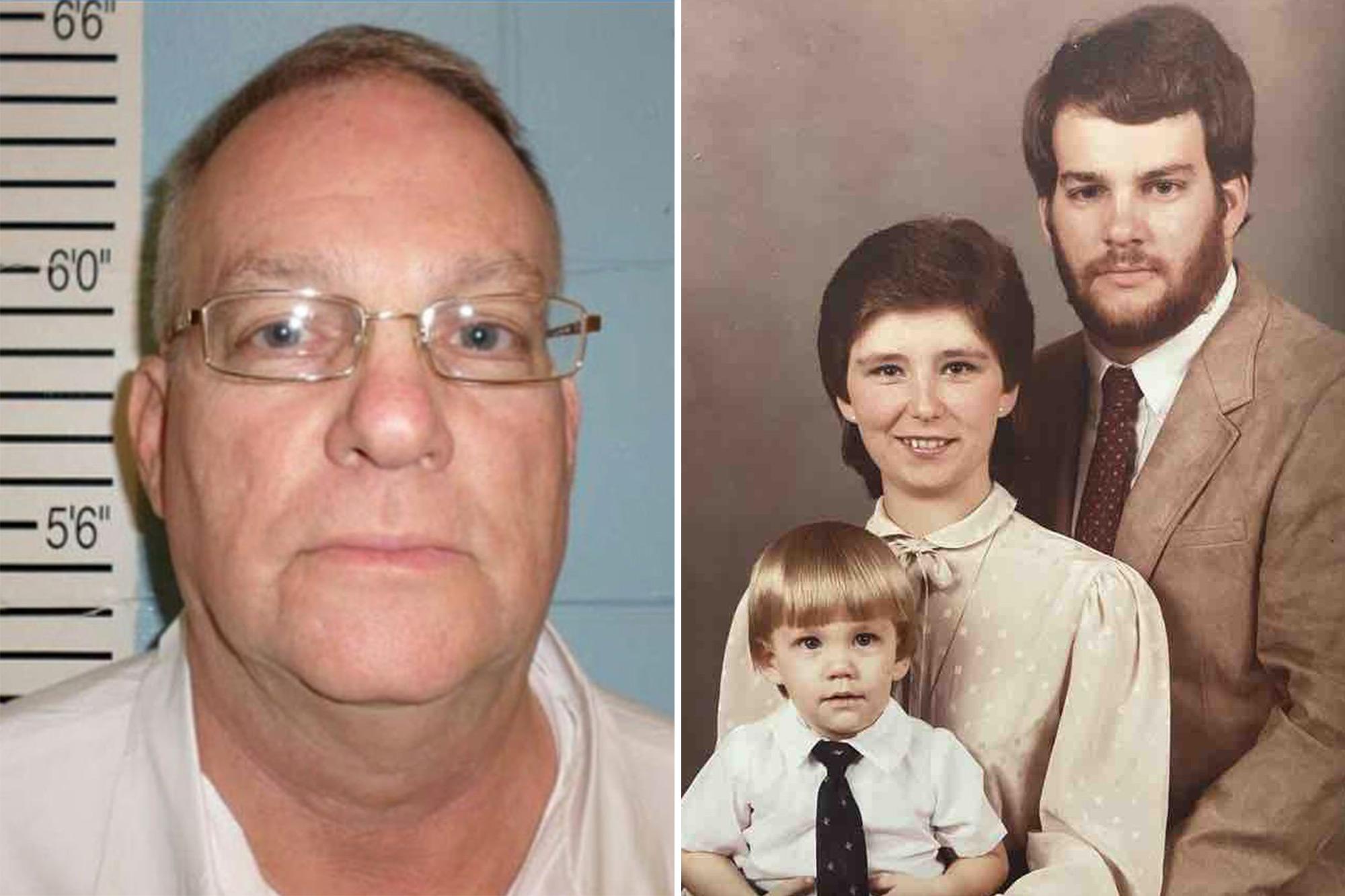
Charles McCrory, his wife Julie Bonds, and their son Chad pose for a photo. Courtesy of the McCrory Family “The non-bitemark evidence from which the jury could convict McCrory was thin.”
Huffaker’s order declares that the state attorney general’s office now has 180 days to start a new trial for McCrory — or release him from prison.
McCrory was a 26-year-old computer programmer and volunteer paramedic when his wife was found severely beaten with five head wounds and 11 puncture wounds on her chest at their home in Andalusia, Alabama on May 31, 1985.
Though there was no DNA evidence pinning McCrory to the crime, no confession and no clear motive, he was quickly considered the prime suspect in the killing.
Charles McCrory was convicted of murdering his wife in the 1980s. Alabama Department of Corrections The couple was going through a divorce and McCrory lived in a small apartment near his wife when she was brutally murdered.
On the night she was killed, they went to couple’s therapy, spent time with their toddler son, and had sex before Charles went back to his apartment, he said.
During the trial, forensic dentist Dr. Richard Souviron — who previously matched a victim’s wounds to Ted Bundy’s teeth in his 1979 trial — testified that two marks on Julie’s arm matched her husband’s teeth.
The court ruled on his testimony as the sole physical evidence, a move which Huffaker later wrote, “resulted in a fundamentally unfair trial.”
In recent years, bite mark evidence has been largely debunked as “’junk science” by experts who say it’s not backed up by reliable data.
Even Souviron himself took back his testimony in a 2019 affidavit, writing, “I no longer believe the individualized teeth marks comparison testimony I offered in his case was reliable or proper.”
He said he wouldn’t give the same testimony in the case today and added that he never actually examined Julie’s body and relied only on photos.
In 2020, the state offered McCrory a deal to walk out of prison if he admitted to killing his wife, which he declined.
“What am I going to do, make up a story?” he said, according to AL.com
“I kind of chuckled… I’m not going to plead guilty to something I didn’t do,” he said.
The Alabama Attorney General’s Office has yet to respond to the judge’s order Wednesday.