Add The New York Post on Google There’s a lot of worry, understandably, about young people’s screen time and the addictive nature of social media on younger people, but older people are also at risk — often even more so.
“It’s very concerning.” Dr. Stacey Wood, clinical neuropsychologist and professor at Scripps College, told The Post. “Older people are maybe less aware of the algorithm’s power, like how they work… It’s really hard [for them] to discern what’s credible and what’s not.”
Nine in ten Americans over 50 are now on social media, according to the AARP, with 72% on Facebook, 34% Instagram, and 18% on TikTok. Even seniors over 65 are now estimated to spend 104 minutes a day on social media, according to Statista.
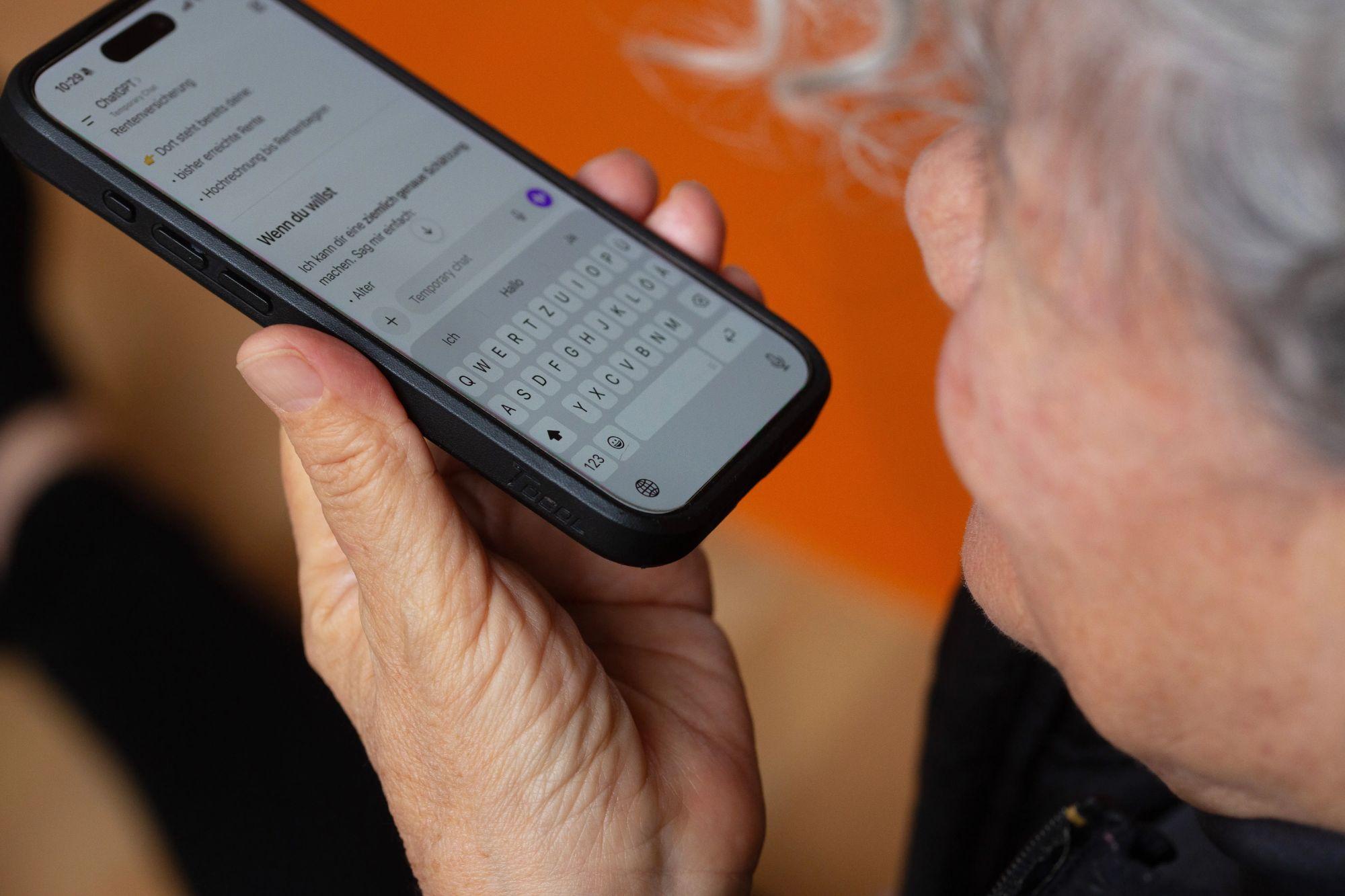
Older people are also taking up AI en masse. Pew data from February found that a full 23% of senior citizens use chatbots, and 42% of those aged 50 to 64 do the same.
Of course keeping up with tech is a good thing and can help keep older people connected, but it’s a slippery slope.
While the effects of social media on young minds are well studied, researchers are beginning to turn their attention to older people — and what they’re finding is worrying.
A third of boomers say that they prefer short-form content to long-form video and shows, according to a 2025 consumer insights survey, not far behind 4 in 10 millennials. The frictionless consumption of short-form content concerns Wood, who suspects it could be causing a harmful feedback loop among older people.
She emphasized that there isn’t enough research yet in the space but theorized that low-effort, easy to consume social media usage could be displacing enriching activities, like reading, that keeps minds agile.
Natalie Ebner, a University of Florida professor and psychologist who studies brain aging, noted that quick-hit content might be especially potent for older people whose reward centers of the brain are generally less active and don’t produce as much dopamine as younger minds:
“[They] have to go for more in order to get the same,” she said. “The biggest threat [to older people is] the fast-evolving nature of the internet.”
As people age, Wood noted, they also tend to be more likely to believe something is true because it is simply repeated to them over and over, and they’re generally more susceptible to sensationalized and highly-partisan content.
“We tend to get more partisan as we get older,” she explained. “There’s been research showing that as people get older, they’re much more likely — like 5 to 10 times more likely — to share highly partisan content, including misinformation, with their social networks.”
We can’t yet understand how addictive, short-form content will impact any age group long-term since it’s still so relatively new, but existing research into other forms of screen time suggests that passive internet use is problematic as the brain ages.
One 2025 review of multiple studies in adults over 40 found that “active” online activities — for instance, writing emails or reading news articles — were associated with better memory, attention, and executive function, while passive screen use, like watching videos or shows, was more often associated with poorer verbal memory and overall cognition.
Existing literature also shows that compulsive and problematic use of technology — precisely the sort of habits exacerbated by addictive short-form content — is especially harmful to aging brains.
One study of almost 90,000 socially active adults over 12 years found that moderate screen time was associated with a lower risk of dementia, while heavy use was associated with a higher risk. Another 2026 study found that, among subjects aged 60 to 89, problematic and excessive social media use was associated with poorer cognitive functioning and social cognition.
Meanwhile, scammers are also using AI, making older people more susceptible to being targeted than ever before. In her work as a psychologist, Wood regularly consults with older clients who have been cheated out of money by AI-enhanced scams. “These people have been destroyed… I’ve had suicidal clients following this,” she explained.
As a member of Gen Z who grew up online, I’ve noticed myself that the same parents who raised me to be wary of the internet and keep my screen time down are now spending more and more time scrolling through Instagram reels, X videos and AI slop.
While I’m glad we have technology to keep us connected, it’s sad to see previously untouched generations fall into the same detrimental habits that my generation struggles with.
It’s something we all should worry about, and something we should start having active, intergenerational conversations about.