The 9/11 tribute lights shine in remembrance of the lives lost in the terrorist attacks on September 11, 2001 on September 9, 2026, in Brooklyn, New York. MediaPunch / BACKGRID See more of our coverage in your search results.
Add The New York Post on Google Bloomberg: Healing the Wounds of 9/11 The 9/11 “terrorists targeted New York City because it has long been a symbol of the freedoms they hated,” observes Michael R. Bloomberg at USA Today — and “New York a quarter century later” shows “how profoundly they failed.” From the start, City Hall “believed that Lower Manhattan’s recovery depended not on rebuilding what had been lost,” but on creating something entirely new: “a 24/7 community.” Today’s rebuilt Lower Manhattan is “a place where people of all backgrounds and beliefs live, work,” and connect, “exercising the freedoms the terrorists could not destroy.” Lower Manhattan “stands as a testament to the strength and resilience” of both the city’s spirit and our nation’s character.
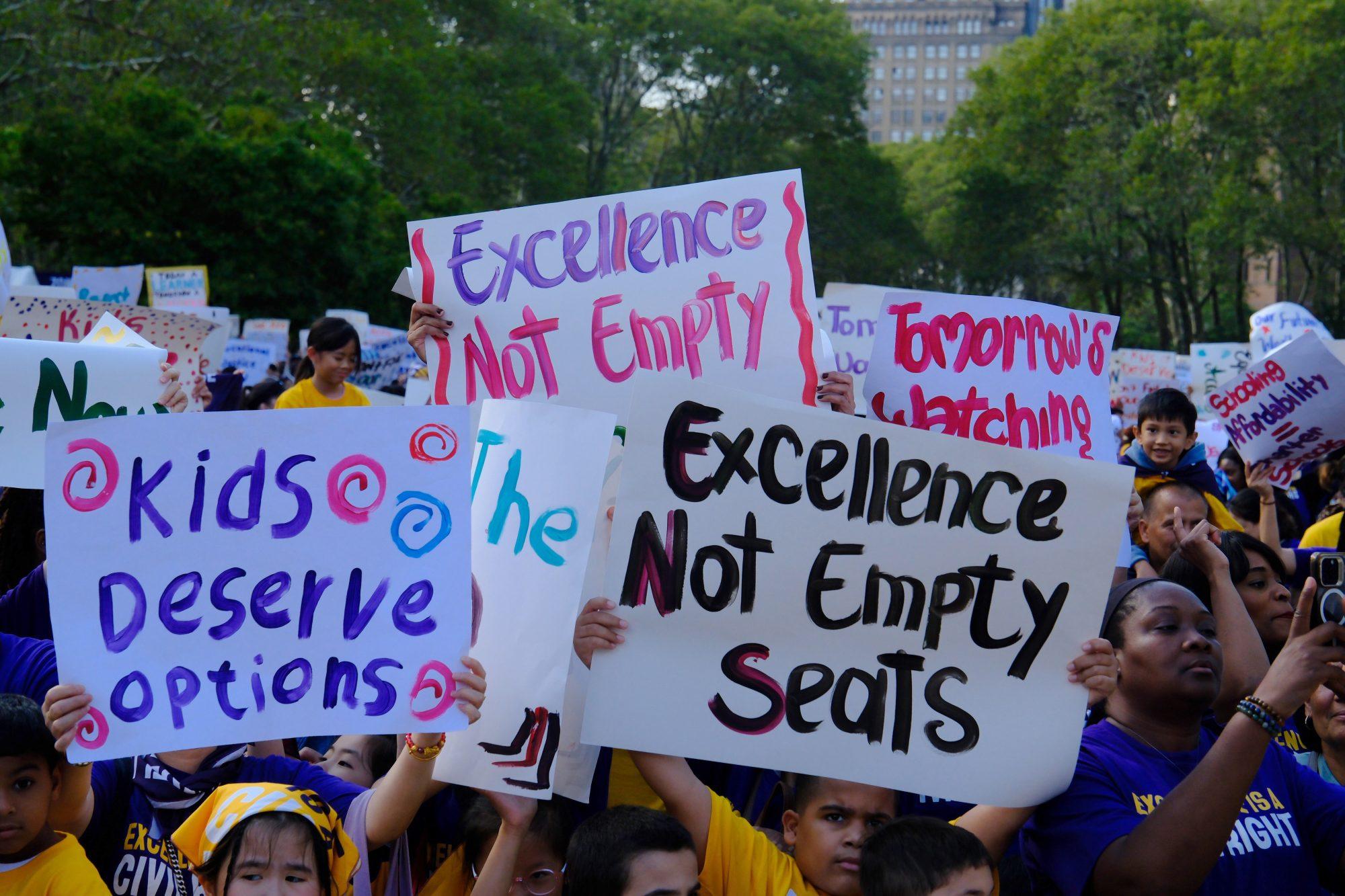
“Homeschooling, microschools, and other alternatives to school-based programs” were “booming” long before the “historic growth” that “publicly funded school choice is experiencing,” notes Ray Domanico at City Journal. “Parents choosing these options” have “lost faith in the traditional school model” and “rejected the concept of a self-contained school,” preferring to “customize education to their children’s individual needs.” This “allows parents to match the pace of learning to their child’s abilities.” The “confluence” of school choice, AI and work-from-home policies “is irreversibly changing the relationship between families and schools,” as “parents now have the tools to design an educational program that suits their children.” The historical, “standardized program of traditional schools and districts is losing its grip on American families.”
Young college-educated voters “dance and cheer” for socialism, but “quickly sour on it” when faced with the specifics, note Mark Penn & Andrew Stein in The Wall Street Journal. A recent Harvard Caps/Harris poll finds that “77% of registered voters under 25 believe their paycheck should be based on the ‘merit and value of their work,’” 70% “want to own their own businesses” and 68% want to be homeowners. Yet the socialists these younger folks champion want “a guaranteed federal job paying a ‘living wage’ to anyone who wants one,” as well as to open city-run businesses and also view private property “as a collective good” — how ironic. US institutions have somehow produced a generation “that succumbs easily to the social-media sirens championing socialism” when their true desires are “the same old elements of the American Dream their parents wanted.”
Mohammed Atta’s will “is among the most neglected pieces of evidence from Sept. 11,” argues Ayaan Hirsi Ali at Tablet. Written years before 9/11, “it contradicts the explanations of the attack that most Western commentators preferred.” Atta was “living comfortably” in modern Germany; he was not poor or “radicalized” by “American support for Israel.” No: He had a “militant commitment to Islam that he was ready to die for.” “The idea that there are barbarians who live outside the gates has long been part of the Western inheritance.” If the West can’t act accordingly, the last 25 years will serve as “evidence that a civilization can know its enemies, kill their foot soldiers, send mighty armies halfway around the world, and still fail to save itself.”
President Trump “asked voters to make” the midterms “a referendum on him,” observes Conrad Black on X, and “look at his record”: The immigration crisis has “ended,” reducing human and drug trafficking. “Inflation has been cut sharply.” Crime is “much lower.” Capital has “poured into the US,” creating jobs and spurring growth. “Syria, Venezuela, Cuba, and Iran have all been stripped of their usefulness as Russo-Chinese allies.” “The Iranian regime is being strangled” at “almost no cost in American lives.” “Ukraine has been armed to the point that Russia is fighting a war it looks increasingly unable to win.” Trump’s chief problem is messaging; if he’s just “keeping his powder dry” on that score, “this is the month to use it.”
— Compiled by The Post Editorial Board