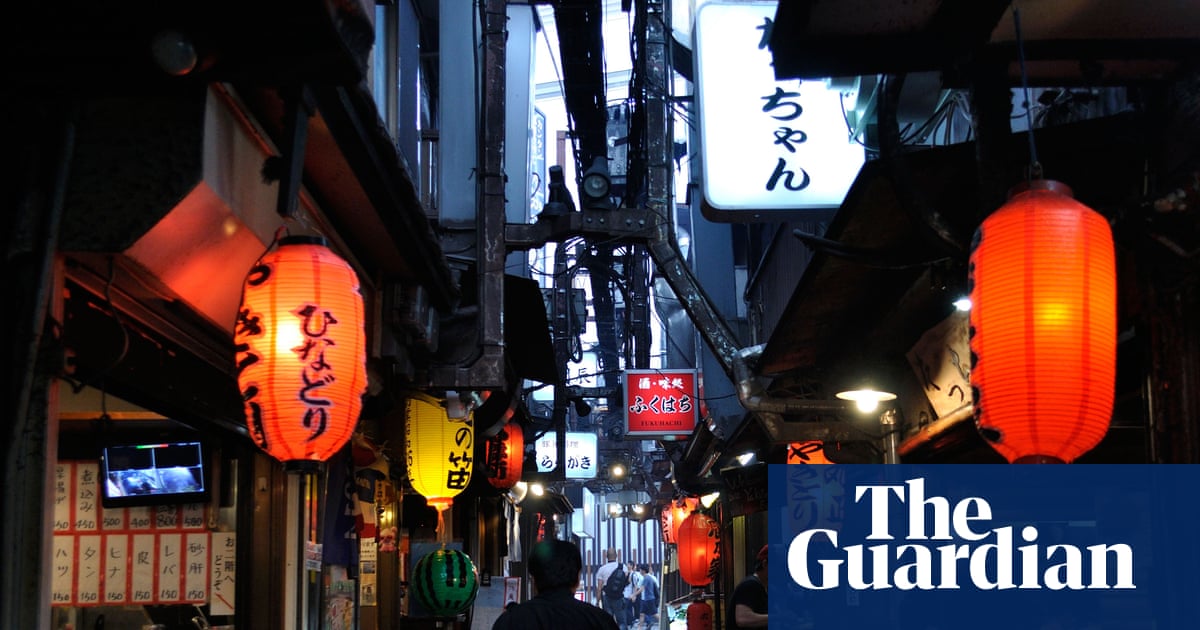
Tokyo’s popular Shinjuku ward is introducing bans on short-term visitor accommodation such as Airbnb after complaints about tourists’ behaviour. Photograph: World Discovery/AlamyView image in fullscreenTokyo’s popular Shinjuku ward is introducing bans on short-term visitor accommodation such as Airbnb after complaints about tourists’ behaviour. Photograph: World Discovery/AlamyTokyo tourist hotspot bans short-term rentals amid surge in complaintsShinjuku ward targets accommodation in residential areas and near cultural sites as locals complain visitors disposing of rubbish improperly and being too noisy
A neighbourhood in Tokyo popular with foreign tourists will ban visitors from using thousands of short-term rental accommodations after a slew of complaints about behaviour.
In the latest sign that Japan’s patience with mass tourism is wearing thin, Shinjuku ward – home to the notorious Kabukicho nightlife district and the world’s busiest railway station – will prevent visitors from using private lodgings in residential areas and near schools and important cultural sites, Japanese media reported this week.
The measure, to be introduced through a local ordinance, could encourage other local authorities to follow suit. Shinjuku, with a regular population of more than 350,000, is home to 3,775 private lodgings – or minpaku – the largest number anywhere in Japan.
Read moreWhile tourism has boosted sectors of Japan’s economy and raised the country’s profile overseas, the surge in visitor numbers has created tensions with residents in popular destinations such as Tokyo, Kyoto and Osaka.
Shinjuku ward believes the measure will affect as many as 2,000 lodgings in residential areas – almost half the total, according to the Mainichi Shimbun. The number of minpaku residences in Shinjuku has almost tripled since 2022.
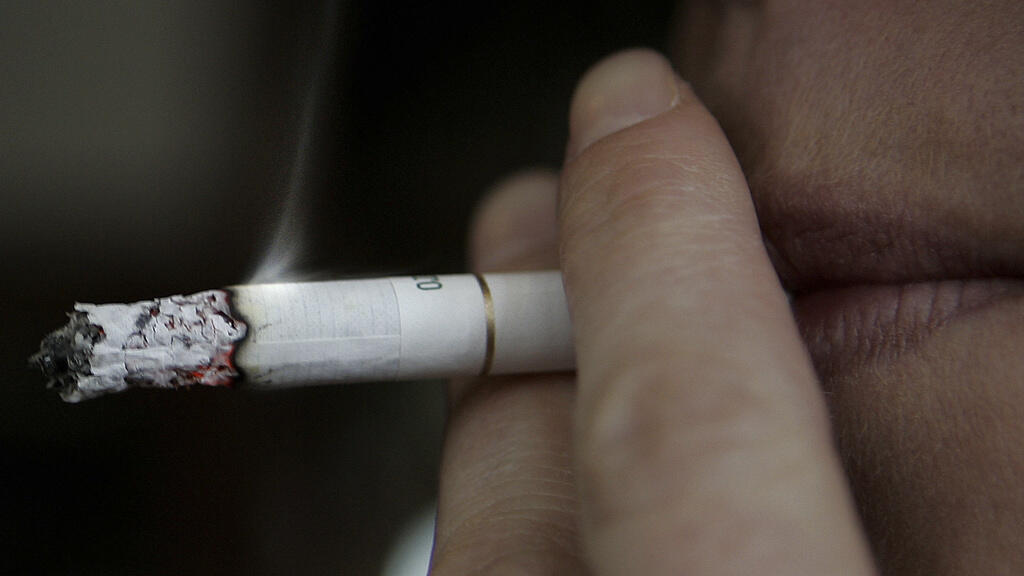
Reports said officials had been forced to act after receiving more than 1,300 complaints from residents in the 12 months to March. Many cited disruption caused by visitors who did not dispose of their rubbish properly, made too much noise and smoked in areas where it is banned. There have also been reports of trespassing.
Officials said temporarily revoking the licenses of renters whose tenants misbehaved would not address residents’ concerns. “Even if we crack down on badly behaved operators, the number of complaints remains the same,” a ward official told the Japan Times. “So we decided it’s better to change the ordinance.”
Authorities did not single out particular operators for the ban. But it is likely to affect those using popular companies such as Airbnb. The Guardian has contacted Airbnb’s Japan office for comment.
The ward will ask for members of the public to give their feedback on the proposal next month, with a view to submitting revisions to the ordinance in February. It also plans to reduce the number of days per year that minpaku in residential areas can be rented out from 180 to 120.
Authorities in Kyoto – where tourists flock to view temples and shrines, rent kimono and photograph traditional geisha entertainers – limit minpaku operations in residential areas to just 60 days a year, during the off-peak season between January and March.
“Residents are concerned that their communities could be falling apart,” Kyoto’s mayor, Koji Matsui, said earlier this year. “We have strengthened the oversight of operators, but that is not enough. We need to go further,” the Asahi Shimbun quoted him as saying.
A record 42 million people visited Japan last year, spending a combined ¥9.5tn ($62bn) – also an all-time high. The government has set a target of 60 million visitors by 2030 – a goal critics say will exacerbate “tourism pollution”.
Authorities near Mount Fuji have introduced climbing fees and imposed a daily visitor cap in an attempt to reduce overcrowding on Japan’s highest mountain. In February, the town of Fujiyoshida, a popular Fuji viewing spot, decided to cancel this spring’s cherry blossom festival, citing a rise in disruptive behaviour by tourists.
The mayor, Shigeru Horiuchi, said the decision had been taken to “protect the dignity and living environment of our citizens”.