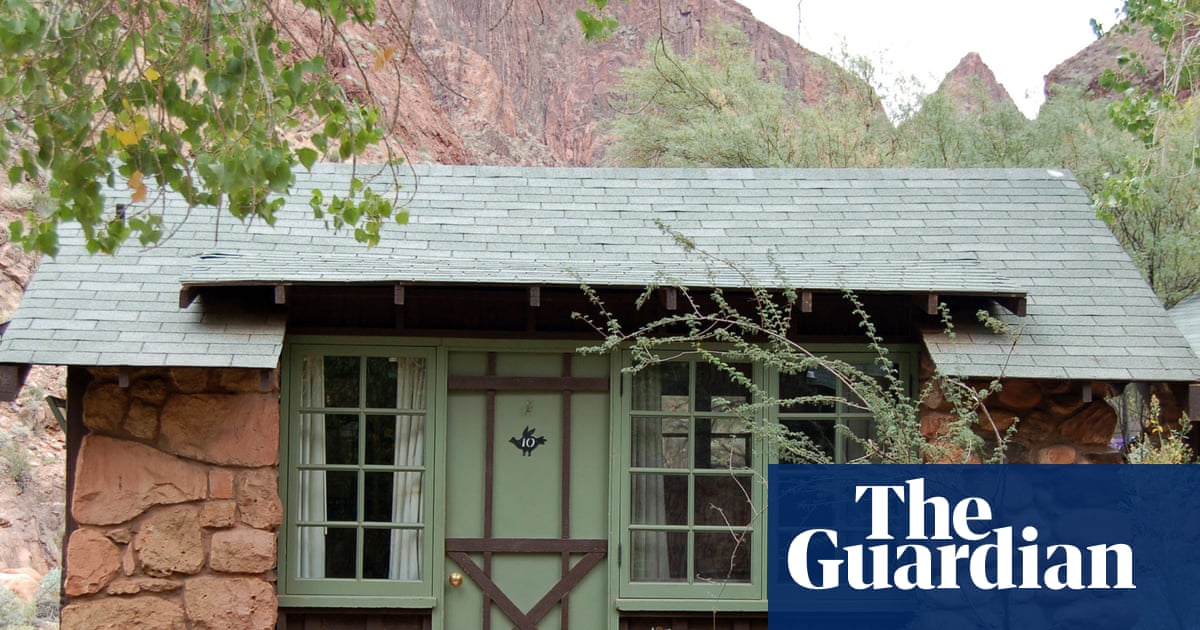
A cabin at Phantom Ranch, near the bottom of the Grand Canyon. Photograph: NPS/AlamyView image in fullscreenA cabin at Phantom Ranch, near the bottom of the Grand Canyon. Photograph: NPS/AlamyRemote Grand Canyon lodge hit by deadly flash flood boasts fabled historyPhantom Ranch, set up by Teddy Roosevelt, has welcomed exhausted hikers to its famed cabins for over a century
Two dead and at least 15 missing in Grand Canyon flash flood
Phantom Ranch has been a solitary refuge visited by some of the most famous names of history. More typically, it’s been a beacon for the half-collapsed, exhausted and overheated hikers trudging down the Grand Canyon for more than a century.
Read moreThe sole lodge at the very bottom of the Grand Canyon, the cabins long had a near mythical reputation. Located along the Bright Angel Creek, which tumbles into the mighty Colorado River at the base of the canyon, they served as a reminder of the long history of one of America’s most spectacular but savage environments.
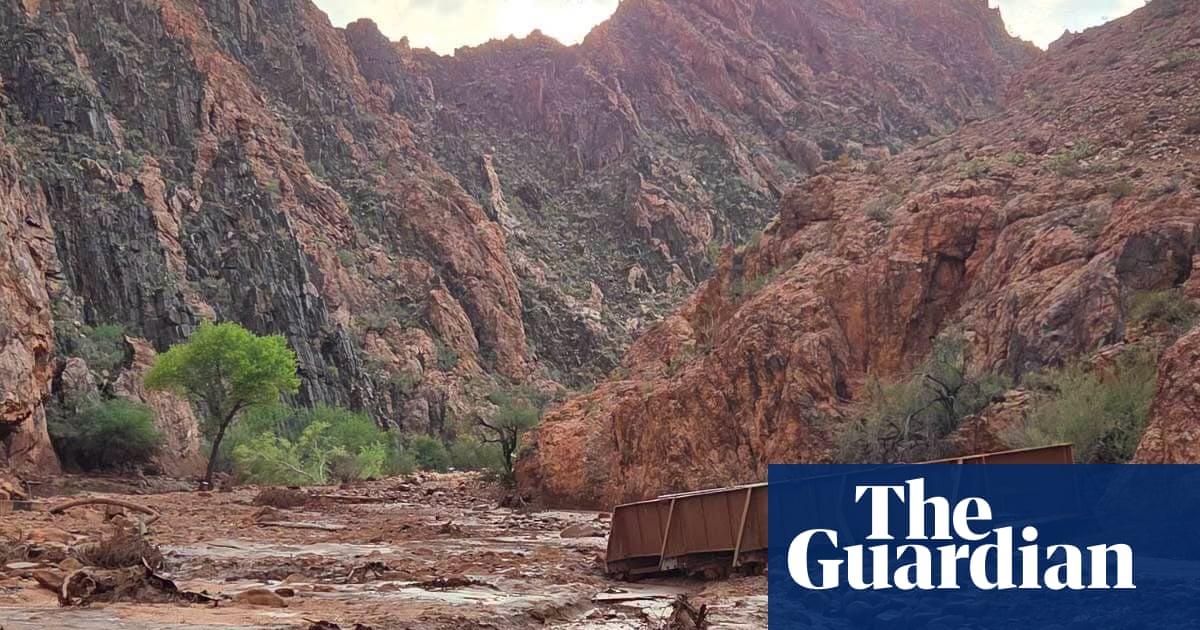
It’s unclear yet how much damage the lodge has sustained after Saturday’s lethal flash flood.
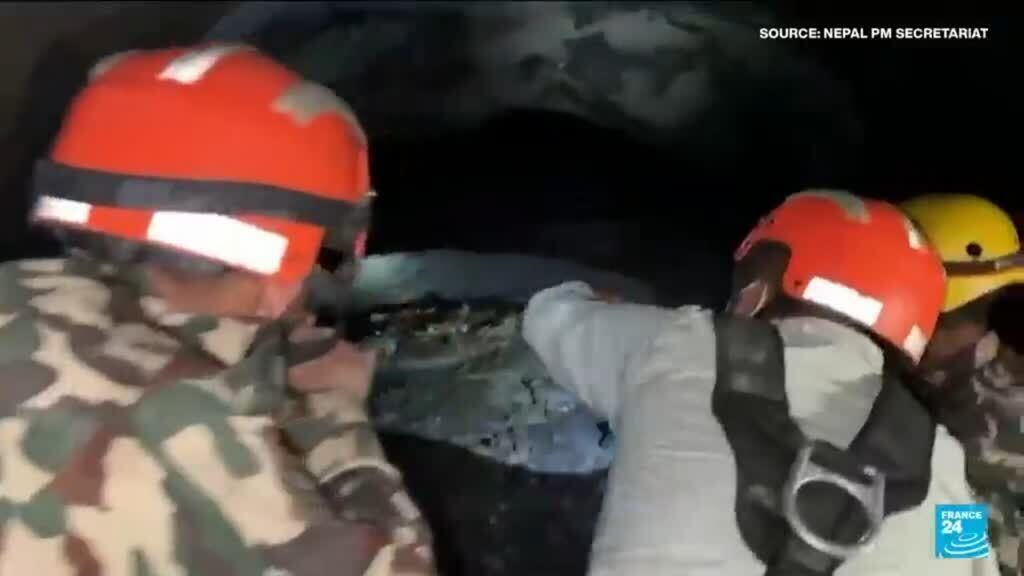
On Saturday afternoon, more than 60 people had to be evacuated by air from the ranch and the bottom of the adjacent North Kaibab Trail, which winds 14 miles down from the lesser-trodden North Rim of the canyon. Two people are confirmed dead, and at least 15 are still missing.
Native Americans have made their home in various parts of the canyon for thousands of years and were driven out of much – though not all – of it before US president Theodore Roosevelt declared the canyon a national monument in 1908. It was Roosevelt who set up a camp on the site where the little visitor lodge now stands, while he was on a hunting trip in 1913. The area became a national park in 1919 and the ranch, named after one of the many side canyons within the Grand Canyon, opened in 1922.
Boaters floating and paddling down the Colorado River stay there, as do people riding mules. The future King Gustaf VI Adolf of Sweden was a prominent early guest, arriving via mule, in 1926.
In 1967, then senator Robert F Kennedy stayed at Phantom Ranch beneath the towering canyon walls after rafting down the Colorado with family and friends, bouncing and gliding 90 miles on the east-west flow of the river from Lake Powell.
Today, more than a vertical mile above, the hundreds of thousands of visitors who just peep over the South Rim, where lodges, tourist information spots, shops and restaurants buzz, cannot see the river, let alone the tiny ranch so far below.
But hikers who trek down the seven or eight zig-zag miles of the nearby dusty South Kaibab or Bright Angel trails to the bottom and cross footbridges over the Colorado to reach the ranch descend steadily from tourist hullabaloo into an ever more rugged and tranquil wilderness. Here, heat, thirst or flood are the biggest dangers, not the resident mountain lions, rattlesnakes or scorpions.
Having pounded the hard rock paths and rough steps all the way down, the few who get to stay at the ranch or snag a campsite along the creek are mostly thinking of the relief of not having to climb back up to the rim yet and the magic of cooling their throbbing feet in a stream before a simple canteen meal at communal tables and a rudimentary bed for a night or two.
But that sense of safety can be as elusively spectral as the name of the refuge. A fast and fierce deluge, such as occurred at the weekend, can quickly form a roaring flash flood when the rain swells creeks that drop steeply into the canyon as tributaries to the Colorado, which is what just happened in the Bright Angel Creek.
The National Park Service describes flash flooding as an inherent risk in the canyon but had additionally warned in February of “the elevated potential for flash flooding and debris flows in the Bright Angel Creek watershed” following the Dragon Bravo wildfire that decimated parts of the North Rim last year and forced the closure of the North Kaibab trail from July to March of this year.