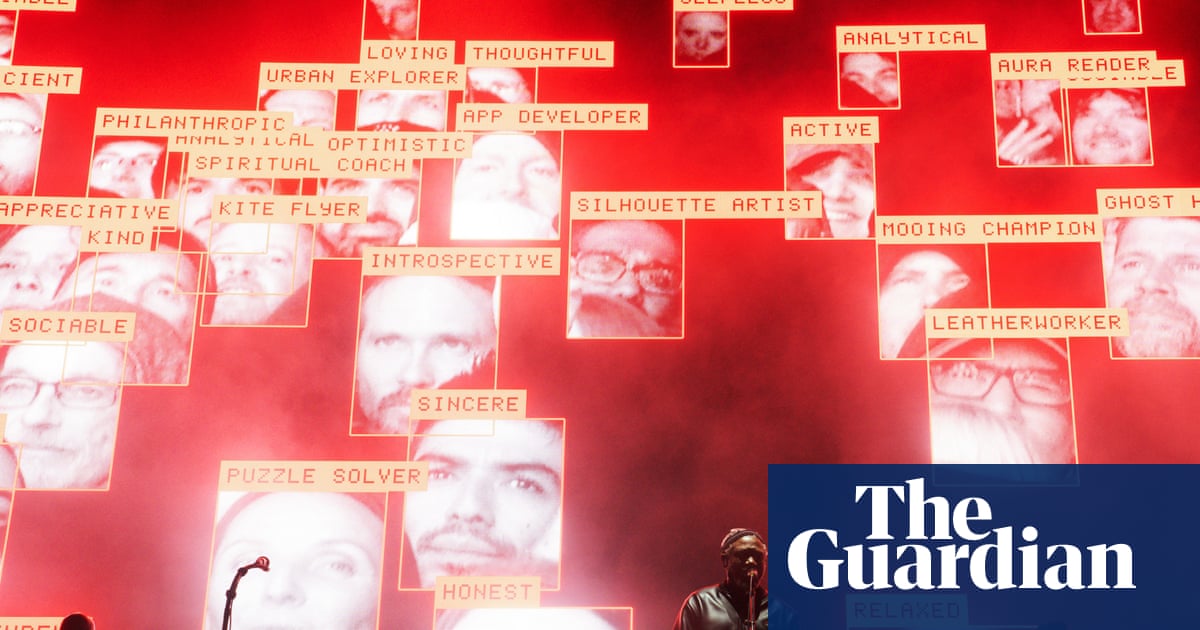
Massive Attack played their first Act 1.5-led show on Clifton Down, pictured, in August 2024. Photograph: Kristian Buus/In Pictures/Getty ImagesView image in fullscreenMassive Attack played their first Act 1.5-led show on Clifton Down, pictured, in August 2024. Photograph: Kristian Buus/In Pictures/Getty Images‘No precedent’: Lorde and Little Simz to star at world-first festival run on clean powerA zero-emission compact hydrogen power plant will drive the main stage at Clifton Down in Bristol
When Lorde, Little Simz and Wet Leg stride on to stages in Bristol this weekend, they will not only be entertaining tens of thousands of festivalgoers but taking part in what is being billed as a world-first clean power project.
The two stages at Forwards festival on Clifton Down are being driven almost entirely by green power – a combination of hydrogen and mobile batteries charged with sustainable energy.
Across the globe, artists and major festivals have been taking action to make their events more sustainable. But what makes the clean power pilot (CPP) scheme that is driving this weekend’s festival different is that it is backed with regional public money and political will. Over the summer, the CPP has guaranteed a secure source of green mobile power to festivals, events and television film crews.
About a dozen events, including the Bristol Balloon Fiesta, have been powered with help from the CPP. Television shows that have been filmed in Bristol, such as the drama Mavis Eccleston, have tapped into the CPP. The performances of Lorde and the rest this weekend are seen as the pinnacle.
View image in fullscreenThe East stage, which will be powered by local renewable energy batteries. Photograph: Alicia Canter/The GuardianBen Price, the head of partnerships at Team Love, which is running the festival on the Downs, said it felt like a gamechanger. The geography and geology of the site means the festival cannot access green energy from the National Grid and the economics of producing such events makes it impractical for them to invest in their own temporary energy supply. “We need the backing of public money to de-risk it,” Price said.
CPP grew out of a homecoming gig in Bristol by the trip-hop collective Massive Attack that was credited with producing the lowest-ever carbon emissions for such an event.
Act 1.5, a creative industry project that brings together artists, technicians and scientists, worked with Massive Attack on the gig and was determined to take the concept further.
View image in fullscreenLorde, seen here at Glastonbury last year, will perform in Bristol this weekend. Photograph: Oli Scarff/AFP/Getty ImagesThe West of England mayoral combined authority bought in, providing financial backing while the Greens-led Bristol city council has given its support, as have clean energy providers and the region’s biggest television studio, Bottle Yard in Bristol.
Mark Donne, the lead producer of Act 1.5, said it was a global first. “There isn’t any comparable programme anywhere, in terms of scale, design or sectors procuring and acting together – no precedent or comparison.”
John O’Sullivan, another senior figure in Act 1.5, said it meant many fewer noisy, diesel-guzzling generators at events and sets. “The only thing you notice is the quiet,” he said.
Act 1.5 added that it was working with other mayoral authorities across England to roll the concept out further and there had been international interest.
Read moreThis weekend, the main stage is being driven by a compact hydrogen power plant set up by GeoPura. The only byproduct of the setup is pure water – which Lorde and other artists who perform there will be invited to sample at the end of their gigs.
A second stage and other areas are driven by battery units topped with electricity from renewable suppliers. These are backed up by generators powered by hydrotreated vegetable oil (HVO).
Robert Del Naja, of Massive Attack, said the group’s 2024 show was never meant to be a one-off. He said: “This project was always about systemic change, so it’s gratifying to see this permanent legacy of decarbonisation for all major festivals and film and TV productions in Bristol.
View image in fullscreenBen Price stands by a Zenobe second life battery, charged with local renewable energy, which will power some of the smaller festival areas. Photograph: Alicia Canter/The Guardian“Looking at the bigger picture, so much time has been wasted by real bases of power – national governments, transnationals and the tactical misdirection of the corporate media – and now the world finds itself surpassing 1.5 degrees and chronically unprepared for wildfires, drought, violent storms and food insecurity.
“Projects like Act 1.5 can be seen as a catalyst for all sectors and civil society more widely. We don’t have to wait for governments to rehabilitate themselves from fossil fuel cartels, or for the White House to someday relocate its mind. We have the imagination, the intelligence and the will to act now, and act with the required intent.”
Jonathan Pryce, who appears in Mavis Eccleston, also backed the project. He said: “This summer, the severe weather events long predicted by climate scientists have become a vivid reality. Drama, music and art are activities that allow us to understand difficult realities, but they also provide spaces to imagine a better future and find ideas and designs to reach it.”