Add The California Post on Google Dating apps are failing, and Angelenos like me are seeking alternatives.
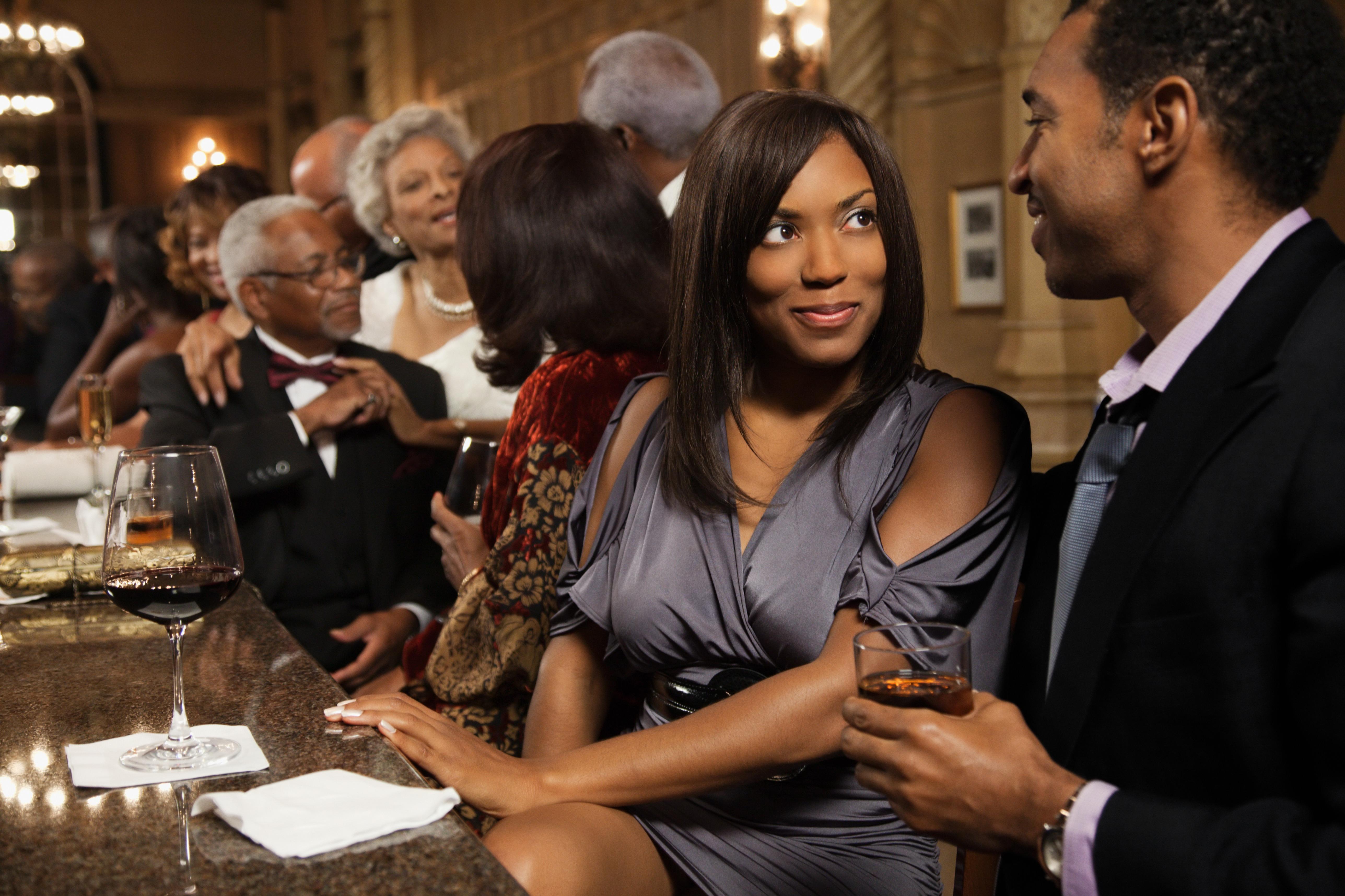
On a Thursday evening, I walked into a bookstore in Culver City to participate in an old-school dating activity — the singles mixer.
The bookstore event was packed to the shelves, and it’s not hard to see why.
These mixers, after all, are not a cure-all to the modern dating malaise –– but they’re a start.
Bumble, initially designed to empower women by giving them the exclusive power to make the first move, recently abandoned that strategy, making the app a clone of the rival it had tried to distance itself from — Tinder.
Some singles have become so flustered with dating apps that they’ve even resorted to LinkedIn to make a “connection.”
Meanwhile, a new crop of dating apps have started using AI-powered matchmakers, a concept seemingly lifted from the script of the dystopian TV series, “Black Mirror.”
Founded in 2021, Thursday was initially a dating app that was only available on — you guessed it — Thursday. The scarcity model was designed, per company spokesperson Emma Louise-Maw, “to create a bit of urgency and actually get people off the app and onto a date.” (Fun fact: The app was initially christened with the unfortunate name of “Honeypot.”)
Since then, the London-based startup has since evolved from an app model to planning face-to-face mixers and events in 150 cities worldwide, not least of which include Los Angeles.
The Culver City mixer deviated from traditional speed dating, where interactions are intermediated by a round-robin format.
Participants (who paid a nominal fee) circulated the bookstore with a colored sticker indicating the gender they were interested in (men, women, both) to help singles target their attention.
“The idea is to create the conditions for people to meet naturally, rather than dictate exactly how they should interact,” Louise-Maw told me.
The event felt more like a video game, where everyone was either trying to approach or be approached.
As one woman told me on her way out, “Good luck with the jungle,” gesturing at the competition around me.
Indeed. Some women were mobbed by more suitors than Anne Hathaway’s Penelope.
Many attendees (myself included) adopted the strategy of glancing at and picking up one of the bookstore’s texts. Such a performative act was designed to elicit an opener — or just to avoid awkwardly standing there, while you kept glancing at the door for someone to arrive you might actually want to meet.
But the demand for the event was there, as participants came from Southland municipalities far and wide. I met people who drove the 47 miles from Irvine to Culver City, and people who traversed the 5 and 110 from Glendale during rush hour — perhaps equally stoic — if only for the chance to land a single phone number.
Part of the problem with dating apps is that their business model relies on them not succeeding.
Companies like Match Group (behind Tinder and Hinge) and Bumble benefit from their own inefficacy. Contrary to Hinge’s slogan (“the app designed to be deleted”), these companies reap hundreds of millions in profits from keeping daters on the market, as users are encouraged to pay for more swipes, more visibility and the ability to see who has “liked” them. In one extreme, the gay dating app Grinder now charges $500 for its premium tier, “Edge.”
One of my friends once told me he’d have much better luck if his parents introduced him to someone the old-fashioned way, “as if it were the 1950s.”
Ironically, since the 1950s Los Angeles has been known as a lonely city. Classic noir films like “In a Lonely Place” depicted disaffected Angelenos struggling for human connection (in that case, Humphrey Bogart, so angsty he’s mistaken for a serial killer). In The Doors’ song “LA Woman,” Jim Morrison groans that he “never saw a woman / so alone.”
The physical distances between neighborhoods — not to mention the endless traffic — made the city lonely then and still contributes to social isolation today, but dating apps have only further distanced people from each other.
Given that history, are LA singles mixers the answer? Did I magically find the love of my life while pretending to be fascinated by the lurid cover of a romantasy novel in a Culver City bookshop?
No, not really. But experiencing the “jungle” was a much more engaging couple of hours — spent chatting with real-life Angelenos — than I would have had, had I stayed home and monitored my phone, as if waiting for signal fires to illuminate the night sky on a full and stormy sea.
Harrison Blackman is an editorial assistant for The California Post.
California Post News: Facebook, Instagram, TikTok, X, YouTube, WhatsApp, LinkedInCalifornia Post Sports Facebook, Instagram, TikTok, YouTube, XCalifornia Post Opinion California Post Newsletters: Sign up here!California Post App: Download here!Home delivery: Sign up here!Page Six Hollywood: Sign up here!