Add The New York Post on Google For some people, the quest to restore lost strands may be behind the pharmacy counter — but the bottle won’t say anything about hair or scalp care.
A new study has found that a drug approved to treat arthritis can actually spur dramatic hair growth in people with severe alopecia areata.
Researchers looked at people who’d lost hair on at least half of their scalp due to the condition — and the results were dramatic.
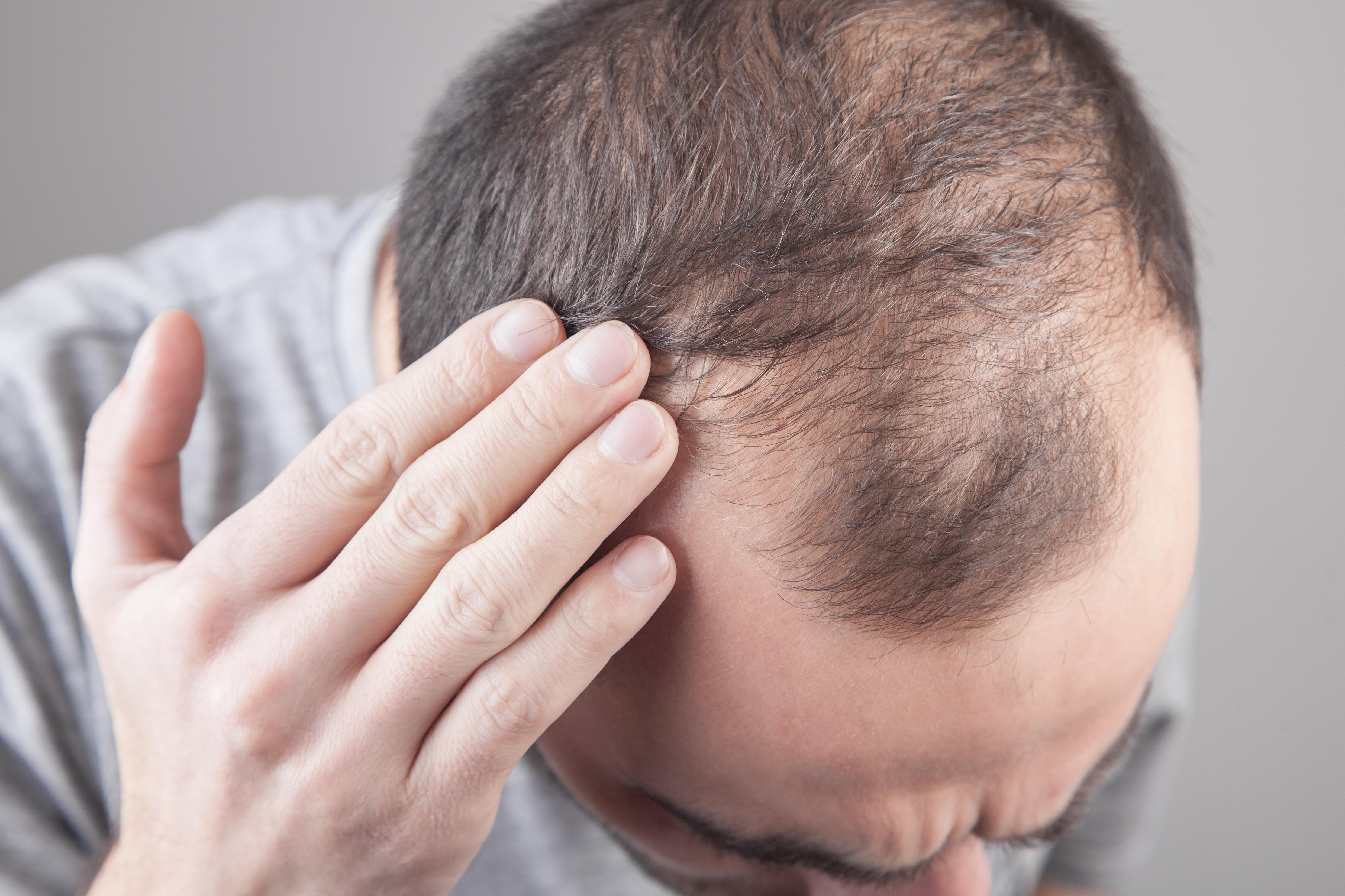
New research shows a common arthritis drug could help hair regrow in people with alopecia areata. andranik123 – stock.adobe.com What is alopecia areata? Alopecia areata is an autoimmune skin disease which causes people to lose hair in circular patches. The condition 7 million people in the US.
The psychosocial toll can be extreme — especially because most cases of the condition appear in childhood. But there is only one medication approved to treat the condition in kids, and not all patients see improvement.
Upadacitinib, commonly sold under the brand name Rinvoq, works by blocking proteins called Janus kinase (JAK). When the JAK pathway becomes overactive, it can trigger inflammation and contribute to autoimmune diseases such as arthritis.
In arthritis, the immune system mistakenly attacks the joints. In alopecia areata, it attacks hair follicles, causing hair to fall out.
Researchers set out to find out if the drug that helps with arthritis could work the same way for alopecia areata.
They focused on people who had lost at least 50% of the hair on their scalp. More severe cases like these are usually less likely to respond to treatment.
The treatment was considered successful if participants regained enough hair to cover at least 80% of their scalp.
Alopecia areata often appears as round patches of lost hair. illustrissima – stock.adobe.com The results were promising: After six months, 45% of participants taking the lower 15-milligram dose reached that benchmark, compared with 55% of those taking the higher 30-milligram dose.
Existing treatments show less efficacy: baricitinib (Olumiant) helped 35-40% of patients get similar results, while rilecitinib (Litfulo) helped 23% of patients, and deuruoxolitinib (Leqselvi) helped 31% of patients.
In the new Rinvoq trial, many participants even exceeded the 80% coverage mark. More than 35% of participants at the 15 mg dose and 46% of participants at the 30 mg dose saw 90% coverage. About 13% at the low dose and 23% at the high dose saw total scalp regrowth.
What’s more, in more severe alopecia areata cases, people can lose their eyebrows and eyelashes. At the higher dose, most people saw regrowth in these areas.
Right now, Rinvoq’s makers, AbbVie, are trying to get the FDA to approve the drug for use in alopecia areata. For now, doctors can prescribe it but alopecia is an off-label use.
That said, the drug was approved in recent weeks in the European Union for alopecia areata.
“This approval provides another option for patients who continue to navigate physical and mental burden associated with severe alopecia areata, often overlooked due to stigma,” aid Roopal Thakkar, M.D., executive vice president, research and development, chief scientific officer, AbbVie.