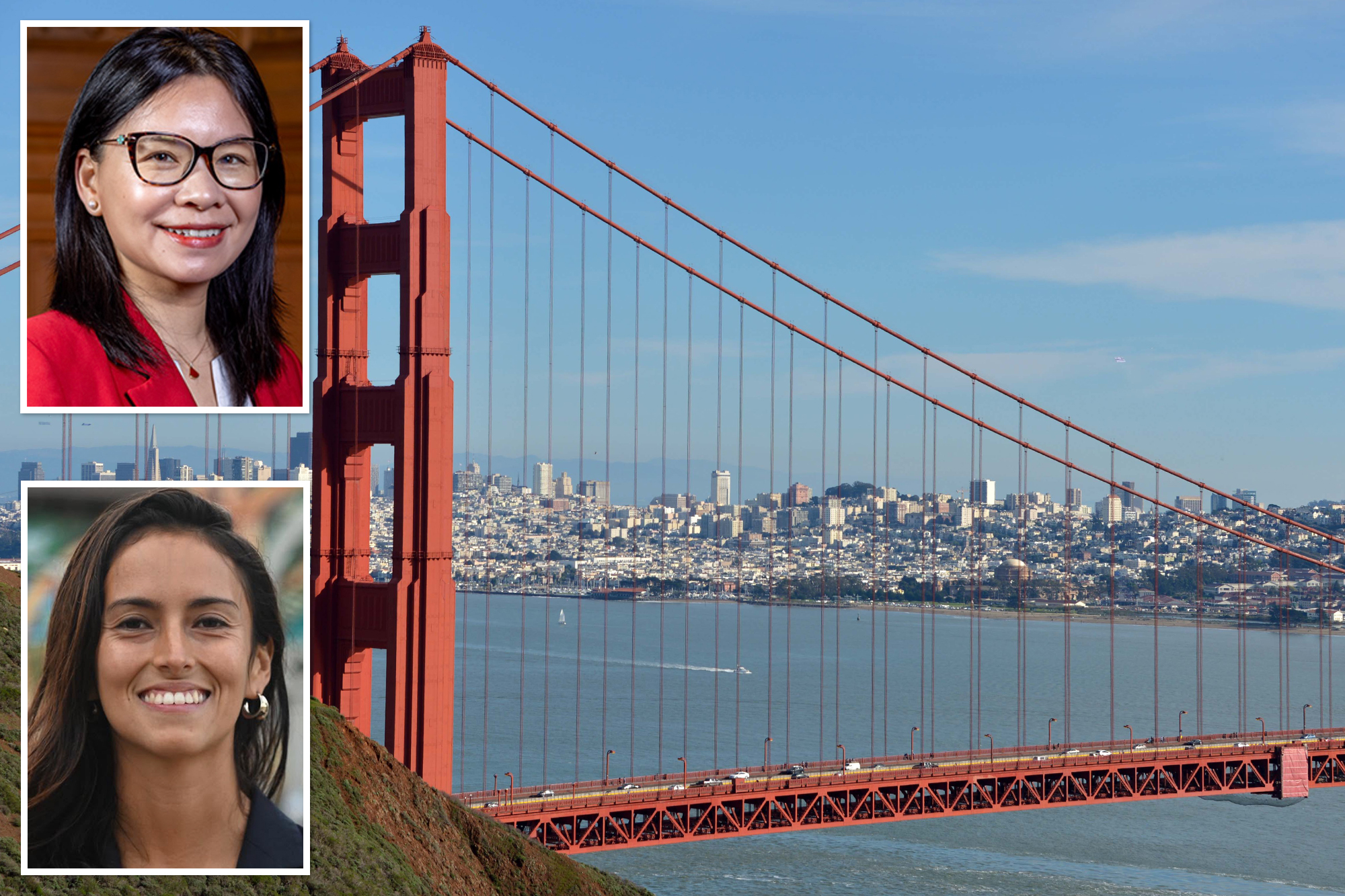
Add The California Post on Google San Francisco voters will decide whether the city should have a public bank after city supervisors this week approved such a proposal to appear on the November ballot.
The city would be the first in the nation to have a municipal government-owned bank. Only the state of North Dakota runs a major public bank in the nation.
But the city’s proposal gives no answer as to where the estimated $325 million in start-up costs will come from as the city faces a $643 million budget deficit.
“In a moment like this, asking voters to commit San Francisco to potentially running a financial institution is asking for trust the city has not yet earned,” said Supervisor Alan Wong, one of the two votes against placing the measure on the ballot.
“Our city’s track record shows that meeting those demands is harder than it sounds, even for institutions designed with the right intentions,” he added.
Socialist Supervisor Jackie Fielder, who just returned from a months-long mental health leave, indicated that future legislation would figure out a revenue steam. Supporters of a bank wanted to get ahead of a 2028 expiration date for a state law that gives cities the power to create their own public banks.
“It feels like an incredible tool to add to the city’s tool kit,” Misha Steier, a spokesperson for the San Francisco Public Bank Coalition, told the San Francisco Chronicle. The coalition was founded by Fielder.
“This is the culmination of years and years of movement effort,” Steier said.
A city bank, supporters say, would unlock financing for thousands of housing units that lack funding to address the housing crisis. It could finance climate goals or lend to small businesses in the area.
“This ensures we have an institution run by real bankers that is accountable, nevertheless, to public priorities and public policy priorities,” Fielder said.
“We can build a public bank that prioritizes reinvesting back into what we all need to sustain our local communities,” added Supervisor Chyanne Chen, who brought forth the measure. “Let us use every tool at our disposal to keep the city affordable and to drive an economic recovery that leaves no one behind.”
The bank would be run by qualified bankers appointed by an oversight committee whose members would be selected by local officials. While it does not establish a revenue stream, the ballot measure would at least enshrine the bank’s rules, structure and mission in the city’s charter — including a provision that it would never lend to fossil fuel corporations or weapons manufacturers.
How startup costs will be funded seems to be difficult to answer. Fielder in February attempted another ballot measure that would impose a higher tax on lending companies to help fund such a bank, though that effort was paused to focus on this new ballot proposal.
Any new taxes may be difficult in the current political environment; this past June, voters in the progressive city even voted down a tax hike on highly paid CEOs.
North Dakota’s bank sees deposits mostly from the state’s collections of taxes and fees and corporate accounts. A very small portion comes from residents as “it is the Bank’s policy not to compete with the private sector for retail deposits,” it said on its website.
The bank has mostly seen success and has turned a profit for many years, which can be returned to the state government’s general fund or used for economic development initiatives. A lot of the success can be traced to the the state’s fracking boom, according to research by University of Illinois Chicago professor Robert S. Chirinko.
But unlike commercial banks, deposits into the public bank are not insured by the federal government, which means North Dakota takes on all the risk. California’s law requires federal insurance, which will give the city more regulatory hurdles as no public bank has sought that approval before.
Chirinko said any success replicating North Dakota’s model will heavily depend on funding. San Francisco’s proposed focus on investing in climate-friendly technology or housing may also not pay off immediately.
“There could be a role there for government, but you have to recognize that you’re not going to get your money back,” he said.
Such banks also can face accusations of unfair political influence. In 2016, North Dakota’s bank financed local law enforcement’s militarized response to controversial protests against the Dakota Access Pipeline, sparking liberal backlash.
Already, critics in San Francisco are saying the same political favoritism could happen for how loans and other financial products would get issued.
“What do they want? An SF Public Bank staffed by cronies of absentee SF Supervisor Jackie Fielder,” claimed tech figure and Y Combinator CEO Garry Tan. “It’ll be a tremendous grift mill robbing the city blind.”