Add The California Post on Google A sprawling children’s summer camp planned for a picturesque Bay Area canyon has hit a major legal roadblock after opponents sued to stop the project, threatening to delay construction by at least 18 months.
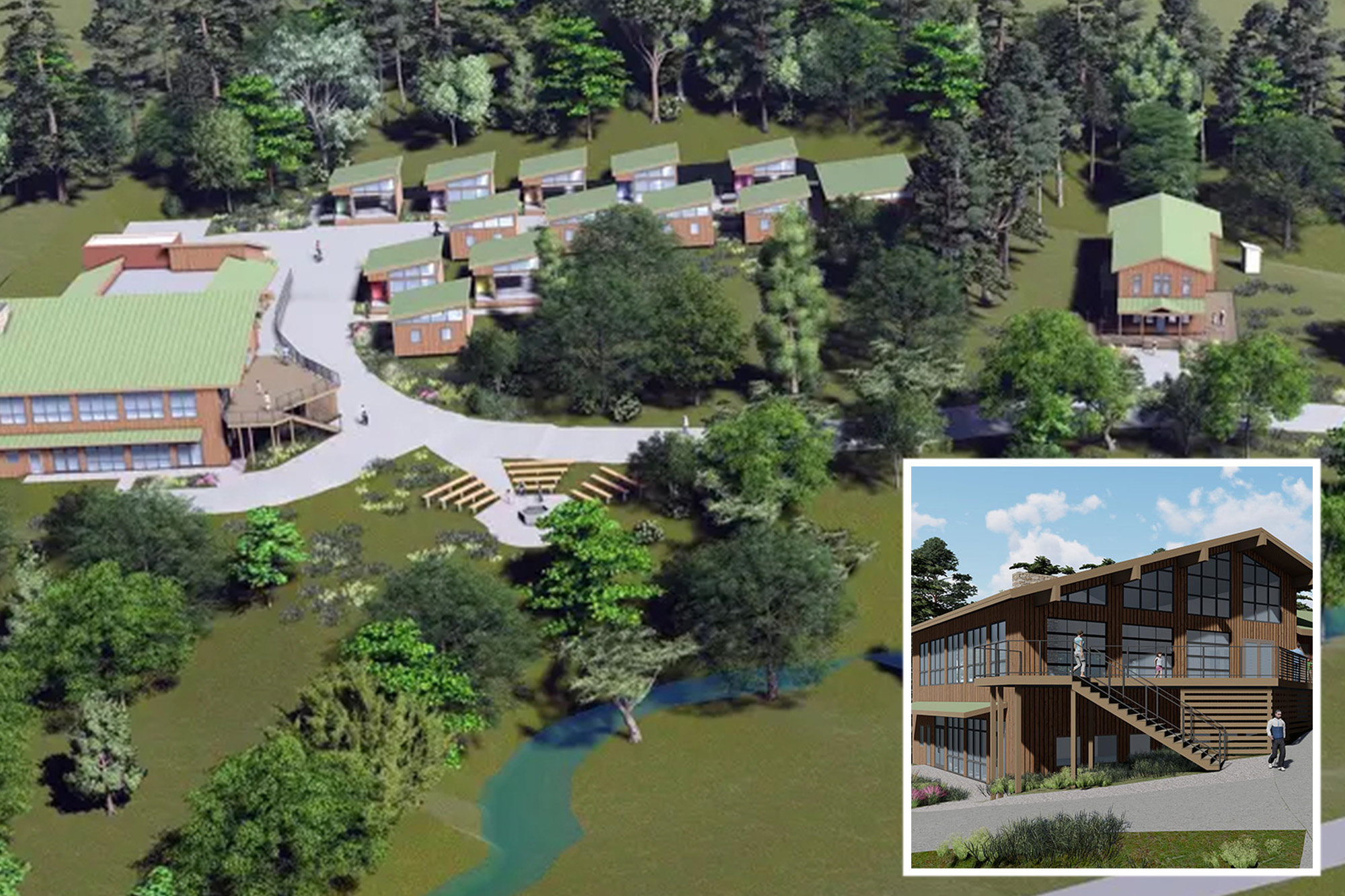
The lawsuit challenges plans by Oakland-based nonprofit Mosaic Project to transform 37 acres along Cull Canyon Road in Castro Valley into an overnight nature camp featuring 12 cabins, a dining hall and a staff residence that would serve nearly 1,000 fourth- and fifth-grade students each year through summer and year-round programs, according to the San Francisco Chronicle.
The site includes a creek, hiking trails and wooded hills, with more than 30 acres intended for outdoor activities.
Having already spent roughly $3 million developing the proposal after acquiring the property in 2018, the nonprofit said the camp is designed to bring together children from different backgrounds while encouraging them to experience the outdoors.
But nearby residents and a neighboring winery filed suit in Alameda County Superior Court in May, arguing the project does not adequately address environmental concerns.
The plaintiffs allege that the development could deplete groundwater relied on by neighbors, increase wildfire risk in the canyon and violate Alameda County land-use designations, despite the county supervisors approving the project’s conditional use permit. Their attorney declined to comment.
The legal challenge could stall the project for at least 18 months unless both sides reach an agreement.
An Alameda County land-use board rejected the camp’s conditional use permit and environmental review in December despite staff recommending approval.
The Mosaic Project appealed, and the Alameda County Board of Supervisors approved the project in April.
Amanda Monchamp, an attorney representing the nonprofit, said lawsuits can jeopardize developments because lenders are often unwilling to finance projects tied up in court.
“This is a camp on a very large parcel, this is not some big development project,” the lawyer said. “It is not something that has a huge impact. The county did a very thorough job and our strategy is simply to defend the entitlements alongside the county and go through the process.”
Mosaic board chair Sabrina Moyle said the proposal has undergone years of public review and that the organization hopes to maintain a positive relationship with its neighbors.
“Mosaic is about inclusion and cooperation and we want nothing more than that with our neighbors, today and always,” Moyle said.
The Mosaic Project currently runs camp and classroom programs for about 4,000 students at 34 Bay Area schools, but has relied on renting campgrounds in Santa Cruz County, which officials say has become impractical because most staff commute from the East Bay.
The proposed overnight camp would allow the organization to serve another 1,000 children each year.
Even if the nonprofit prevails in court, the project will still have to secure state and county building permits, along with approvals for a planned water and septic system before construction can begin.
The land was purchased for $1.9 million by a Mosaic Project donor in 2018, then donated to the nonprofit.
The camp was originally estimated to cost about $10 million to build.