
The story
The Commodore 64 started out as a pair of chips, not a computer. In January 1981 engineers at MOS Technology, Commodore's in-house chipmaker, began work on a new graphics chip and a new sound chip for a planned games console. By November the two parts, later known as the VIC-II and the SID, were finished, and Commodore chief Jack Tramiel set his team a blunt deadline: have a working computer built around them in time for the Consumer Electronics Show in Las Vegas in early January 1982. The team included Bob Russell, Shiraz Shivji, Yash Terakura, Al Charpentier on the VIC-II and Bob Yannes, who designed the SID. During development the project was known as the VIC-40.
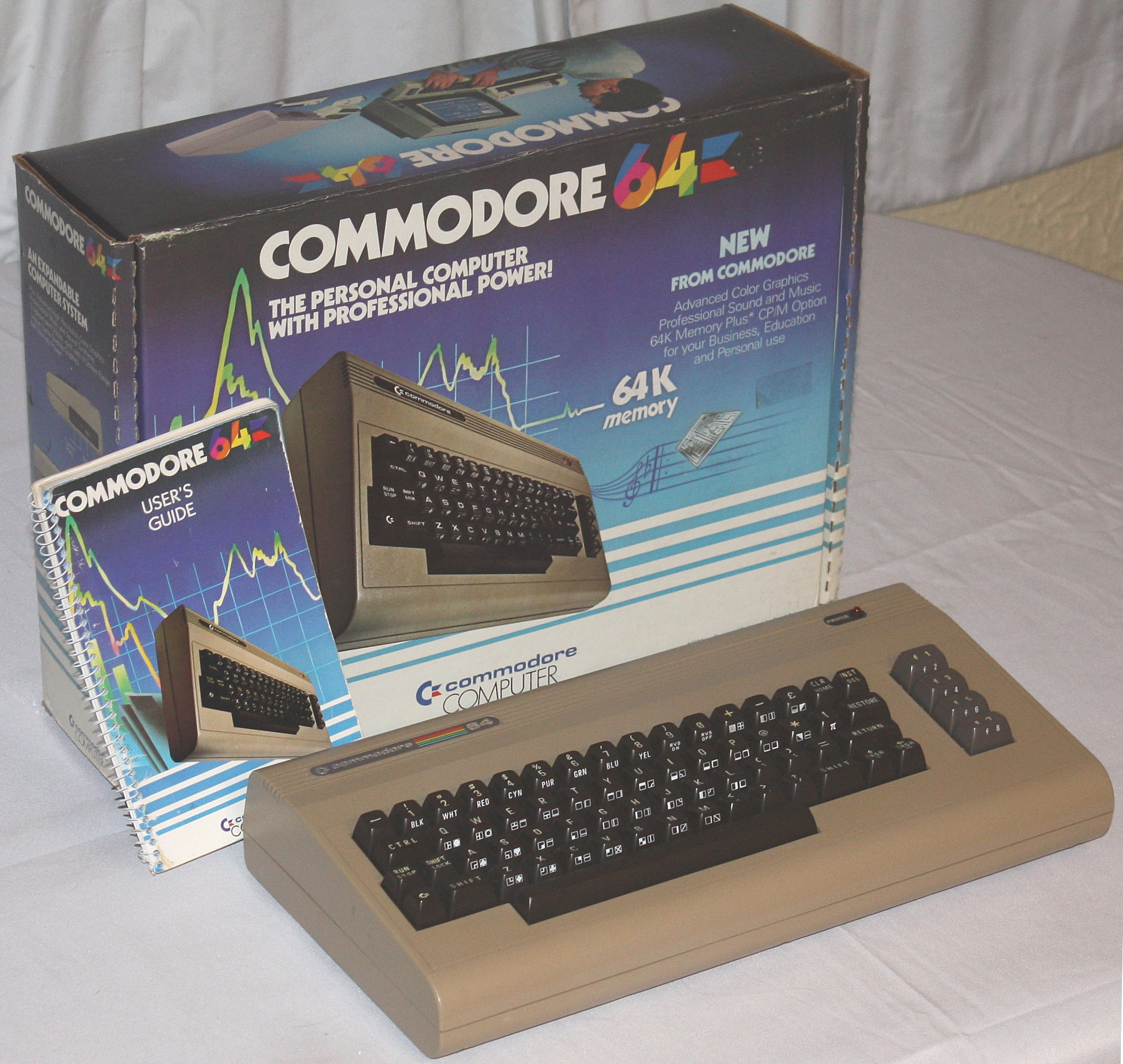
Volume shipments began in August 1982 at a list price of US$595. Because Commodore owned the factory that made its chips, the machine was cheap to build, and the company used that advantage aggressively. Within a year the list price had halved, and some stores were selling it for under US$200. Texas Instruments, which had been fighting a bitter price war with Commodore, abandoned the home computer business that October. By early 1985 the C64 sold for around US$149.
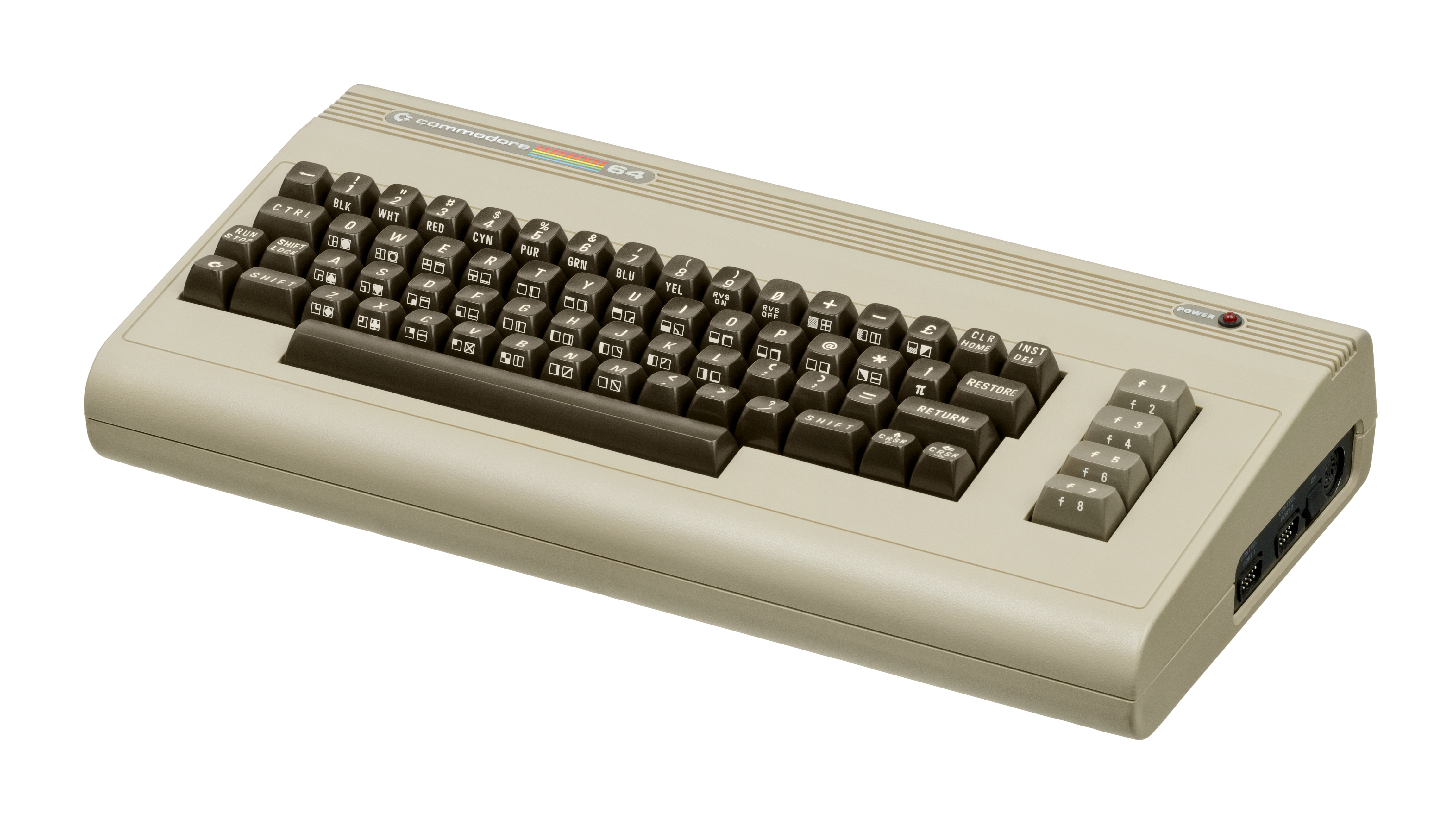
Under the familiar brown breadbin case sat a MOS 6510 processor running at roughly 1 MHz, 64 KB of RAM and 20 KB of ROM holding Commodore BASIC 2.0 and the KERNAL operating routines. The VIC-II offered a 320 by 200 display in 16 colours, eight hardware sprites, smooth scrolling and raster interrupts. The SID gave three voices with selectable waveforms, envelopes and a programmable filter, making it more of a small synthesiser than a beeper. Ports included two joystick sockets, a cartridge slot, a user port, a cassette port for the Datasette and a serial bus for the 1541 disk drive and printers.
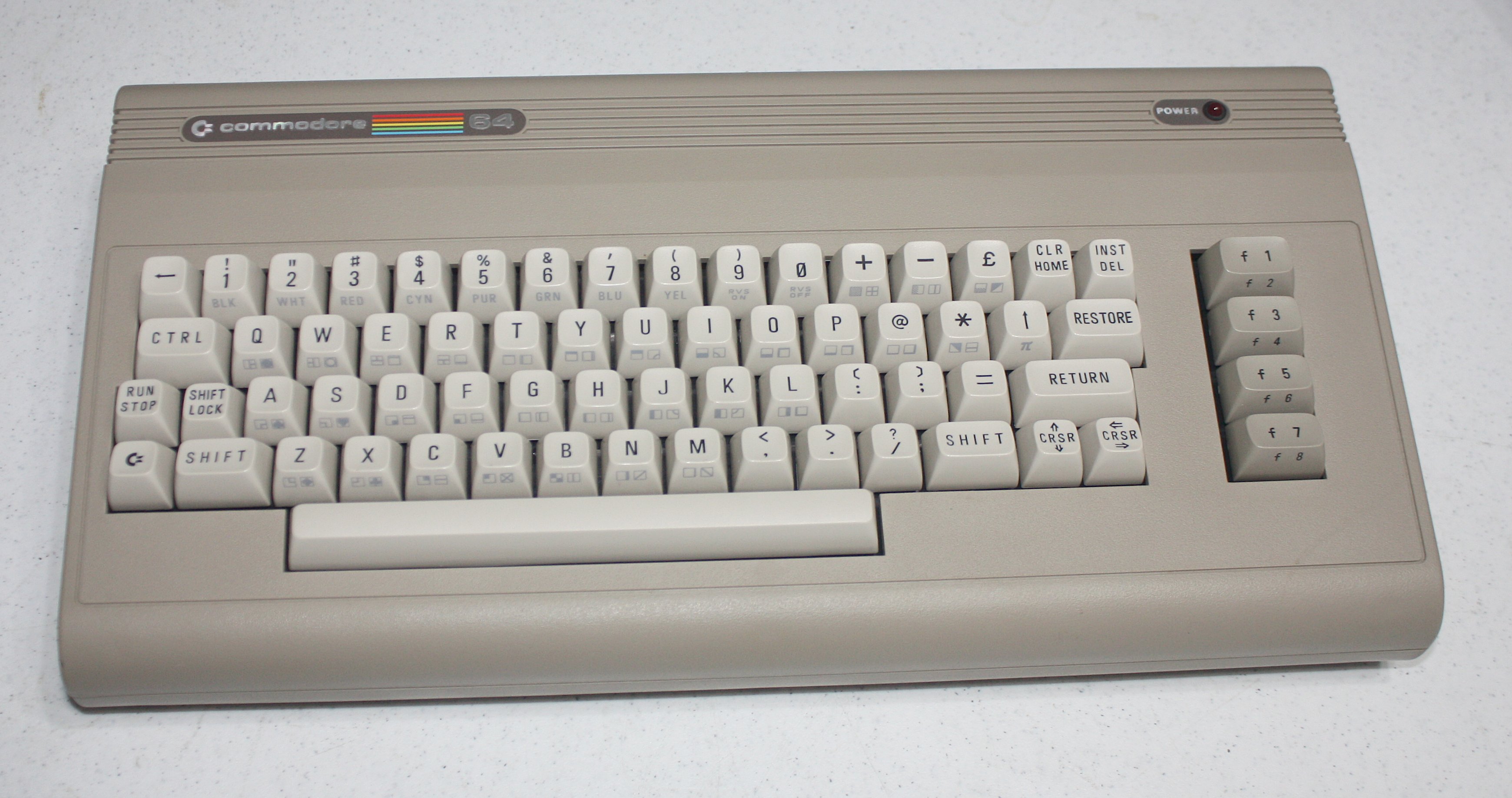
Software followed the hardware in enormous quantity. Around 10,000 commercial titles appeared, the majority of them games, and publishers such as Epyx and SSI treated the C64 as a lead platform. From 1983 to 1986 it held a large share of the American market, and it was a major success in Britain, Germany and Scandinavia. Spin-offs included the portable SX-64, the slimmer 64C of 1986 and the C64GS console.
Commodore said in March 1994 that the machine would be retired, and the company's bankruptcy the following month ended production after more than eleven years. Estimates of total sales run from about 12.5 million to 17 million units, and Guinness World Records lists it as the best-selling single desktop computer model. Its legacy lives on in the demoscene, in SID music and in a steady stream of modern recreations.