
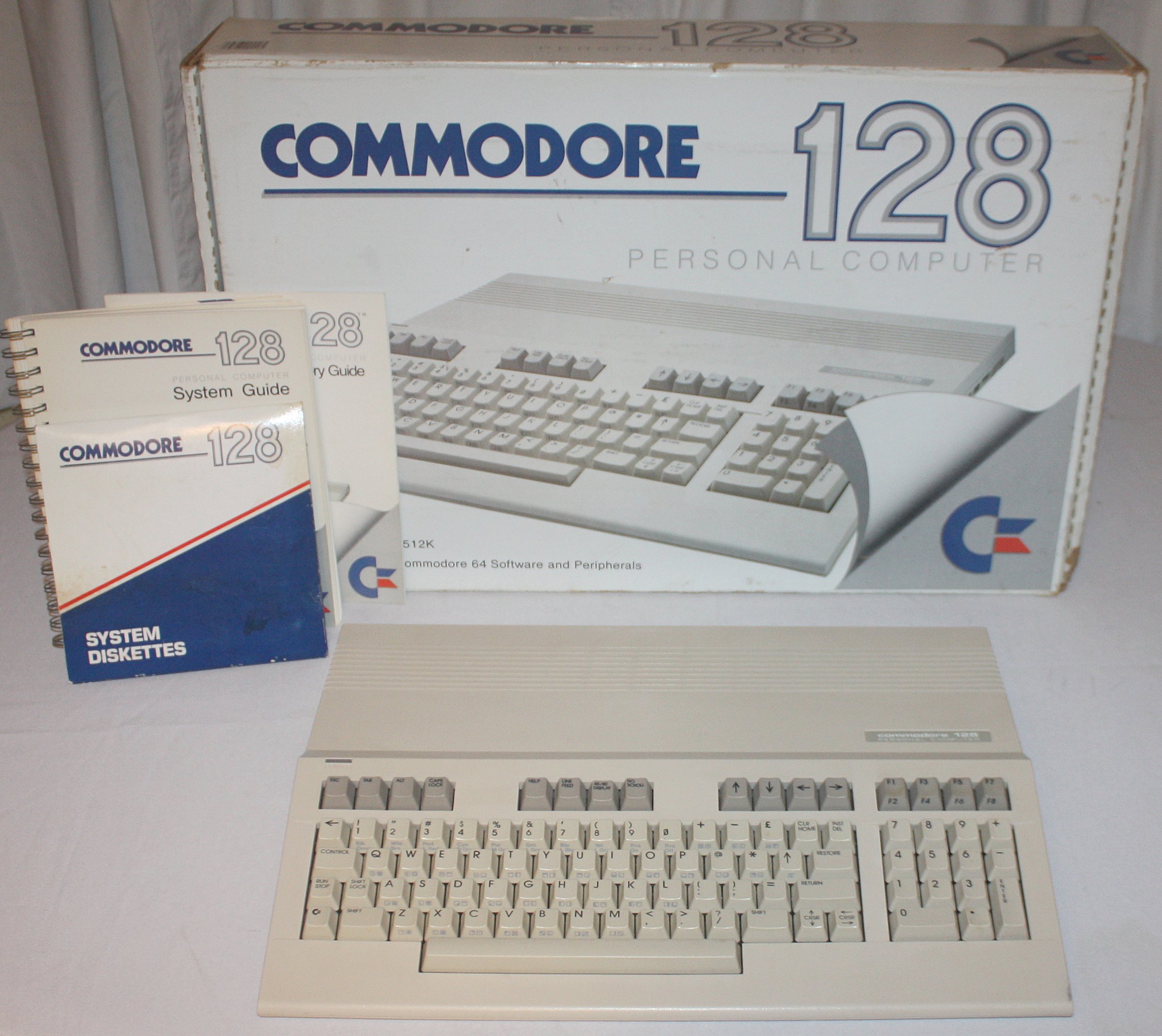
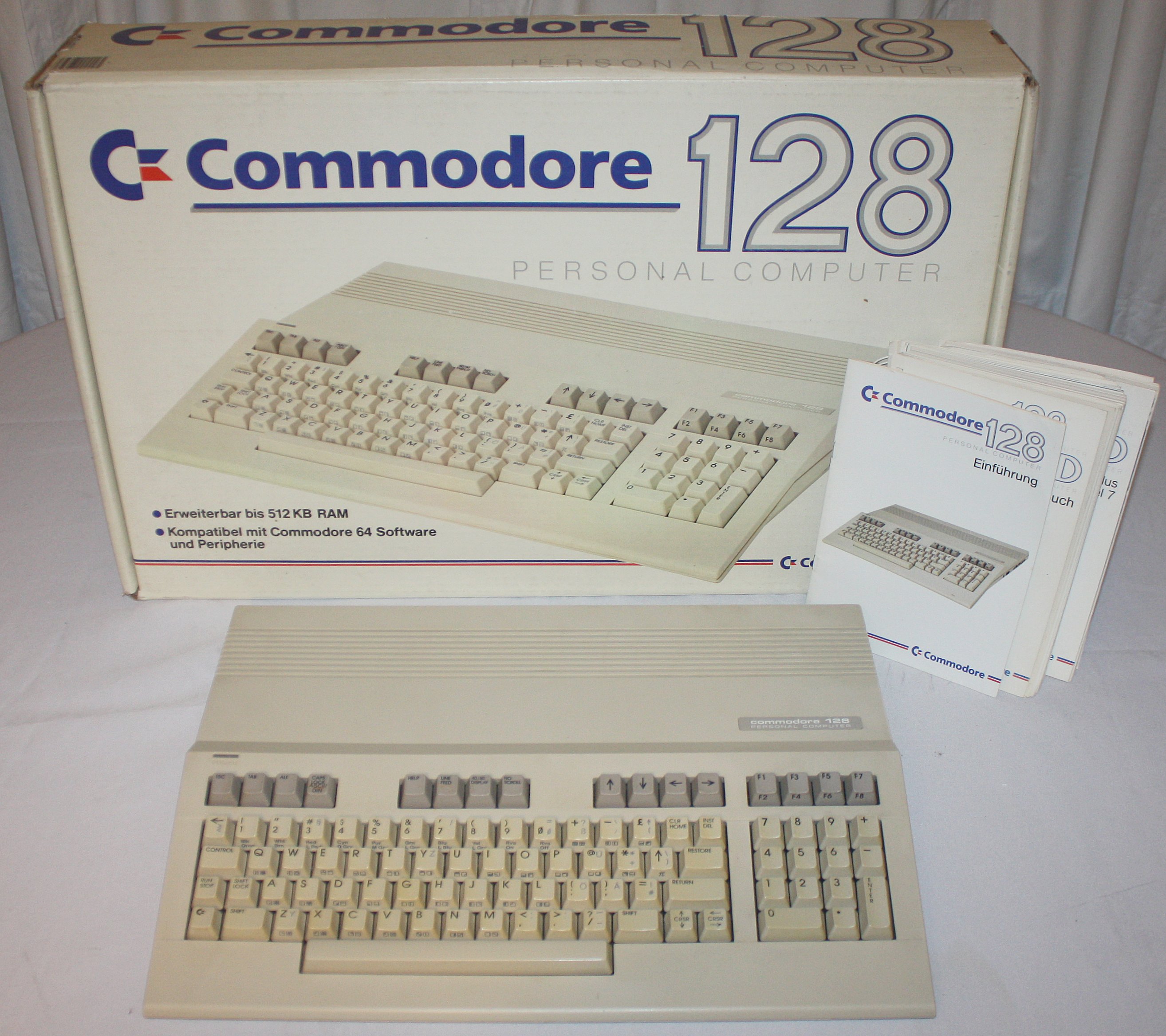
The story
The Commodore 128 was the company's last 8-bit home computer and, in many ways, the machine C64 owners had been asking for. After the disappointment of the Plus/4, magazine readers wanted more memory, an 80-column screen, a better BASIC, a faster disk drive and, above all, the ability to keep running their C64 software. The C128 delivered all of those. It was unveiled at the Consumer Electronics Show in Las Vegas in January 1985 with a US introductory price of US$299. Bil Herd led the hardware design, working with Dave Haynie and Frank Palaia, while Fred Bowen and Terry Ryan wrote the system software and Von Ertwine handled CP/M.
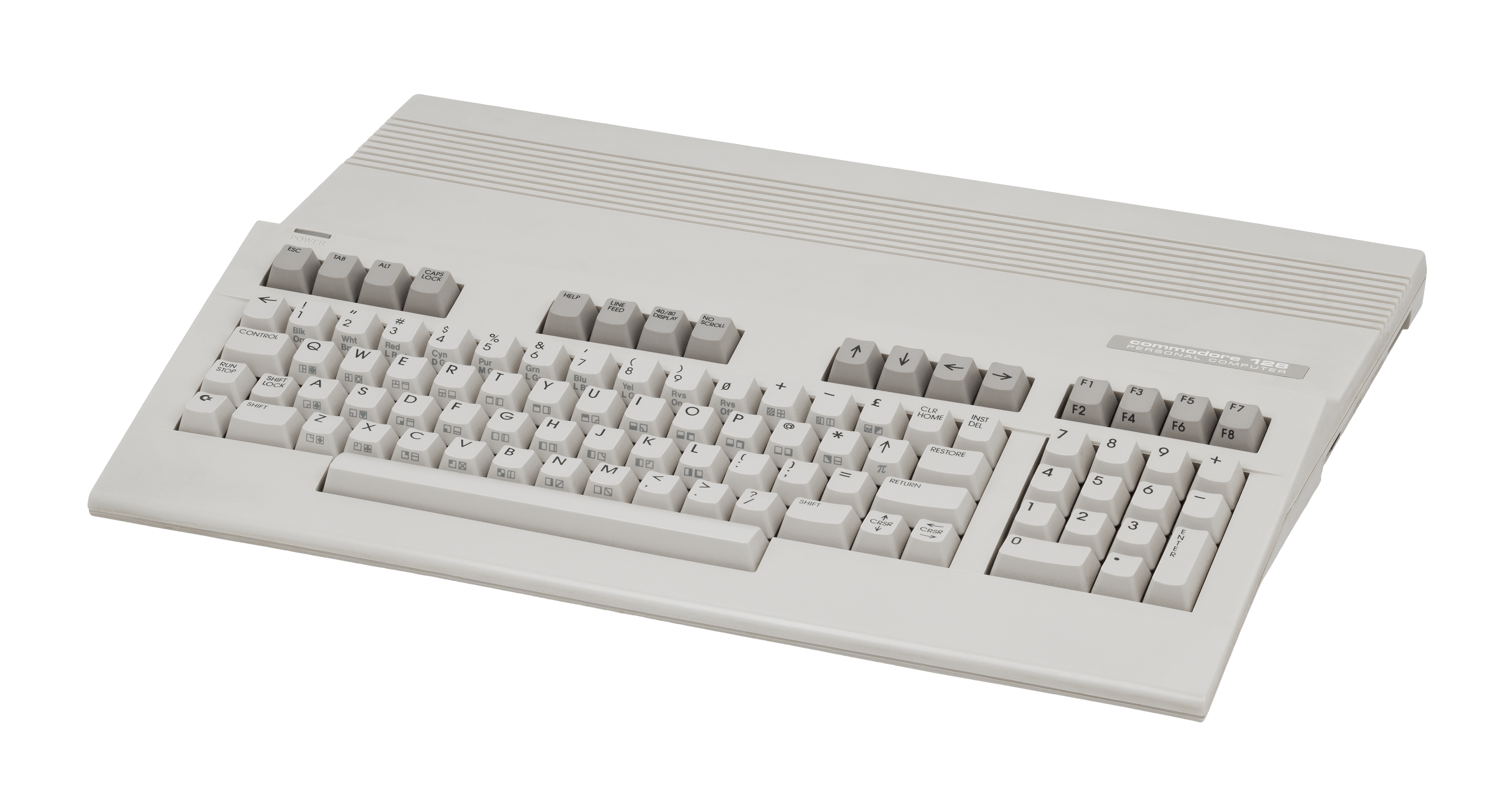
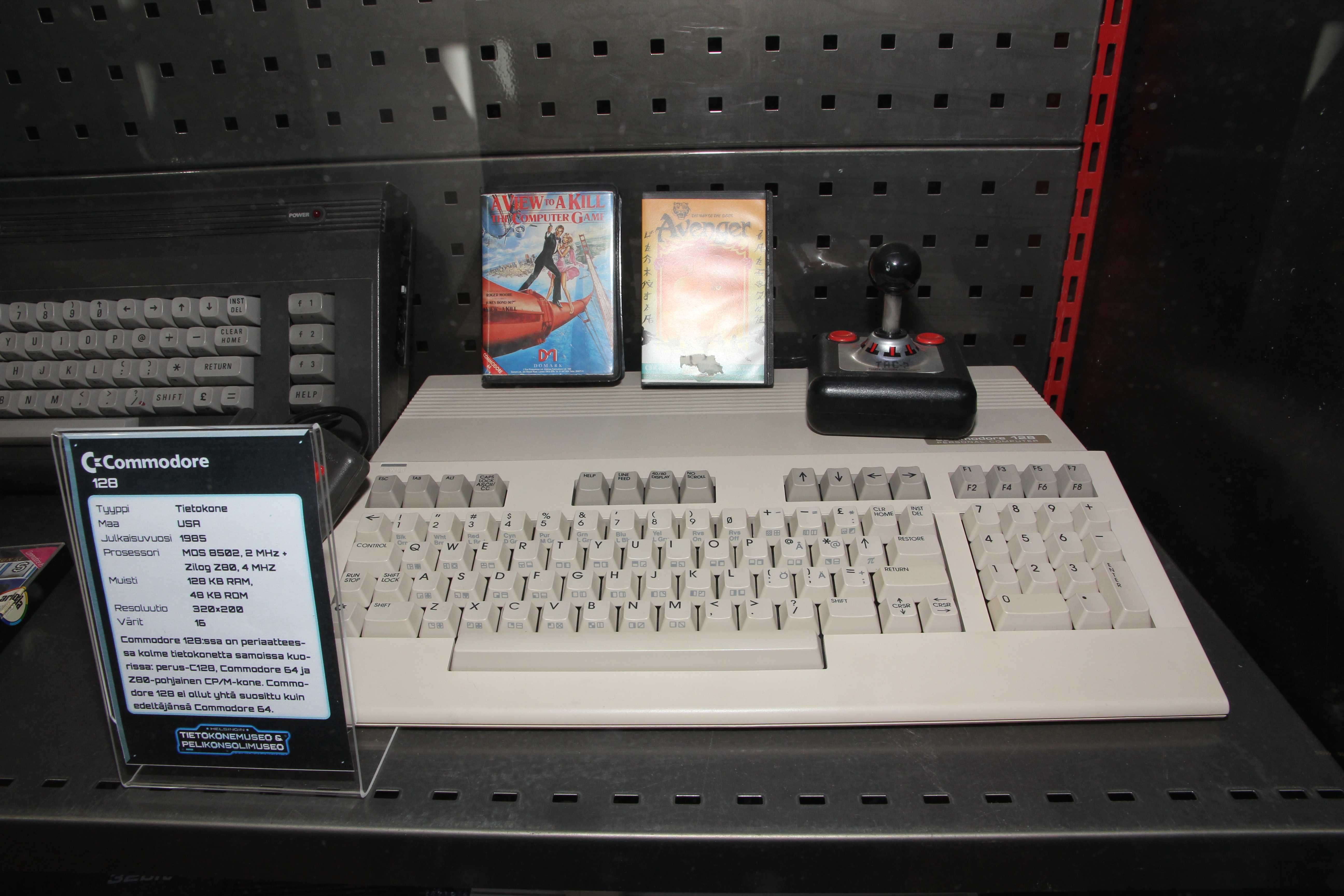
The C128 is really three computers in one case. In its native mode it uses a MOS 8502 processor that can run at 2 MHz, 128 KB of RAM and the much richer BASIC 7.0, which includes graphics, sound and sprite commands, a sprite editor and a machine-code monitor. A second video chip, the 8563 VDC, drives an 80-column RGBI display suited to word processing and spreadsheets, while the familiar VIC-II provides 40-column colour graphics. In C64 mode, entered by holding the Commodore key at power-on or typing GO 64, it runs almost the entire C64 library. A Zilog Z80 processor also lets it boot CP/M 3.0, opening up the established catalogue of business software, though in practice CP/M was slow and worked best with the newer 1571 or 1581 drives. The keyboard added a numeric keypad, cursor keys and keys such as Esc, Tab, Alt and Help.
Late in 1985 Commodore added the C128D, with a built-in 1571 drive, a detachable keyboard and a cooling fan. A later cost-reduced version, the C128DCR, used a steel case without the fan and gained 64 KB of video memory and updated ROMs.
The C128 sold respectably, with estimates ranging from about 2.5 to 4 million units, but its great strength was also its weakness. Because it ran C64 software so well, few developers bothered to write native programs, and most owners spent much of their time in C64 mode. With the Amiga and Atari ST arriving, the 8-bit era was ending, and Commodore stopped production in 1989.