


The story
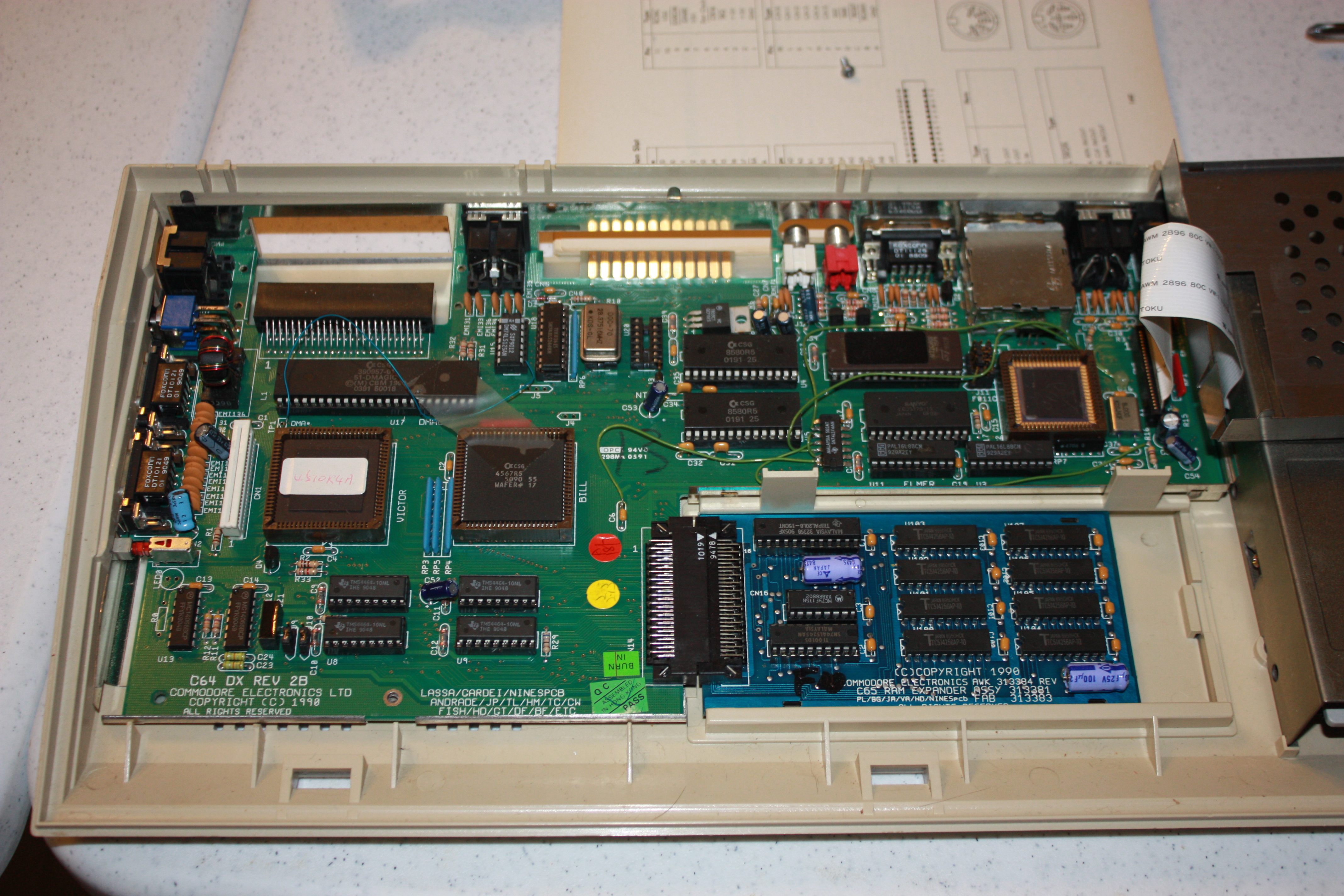
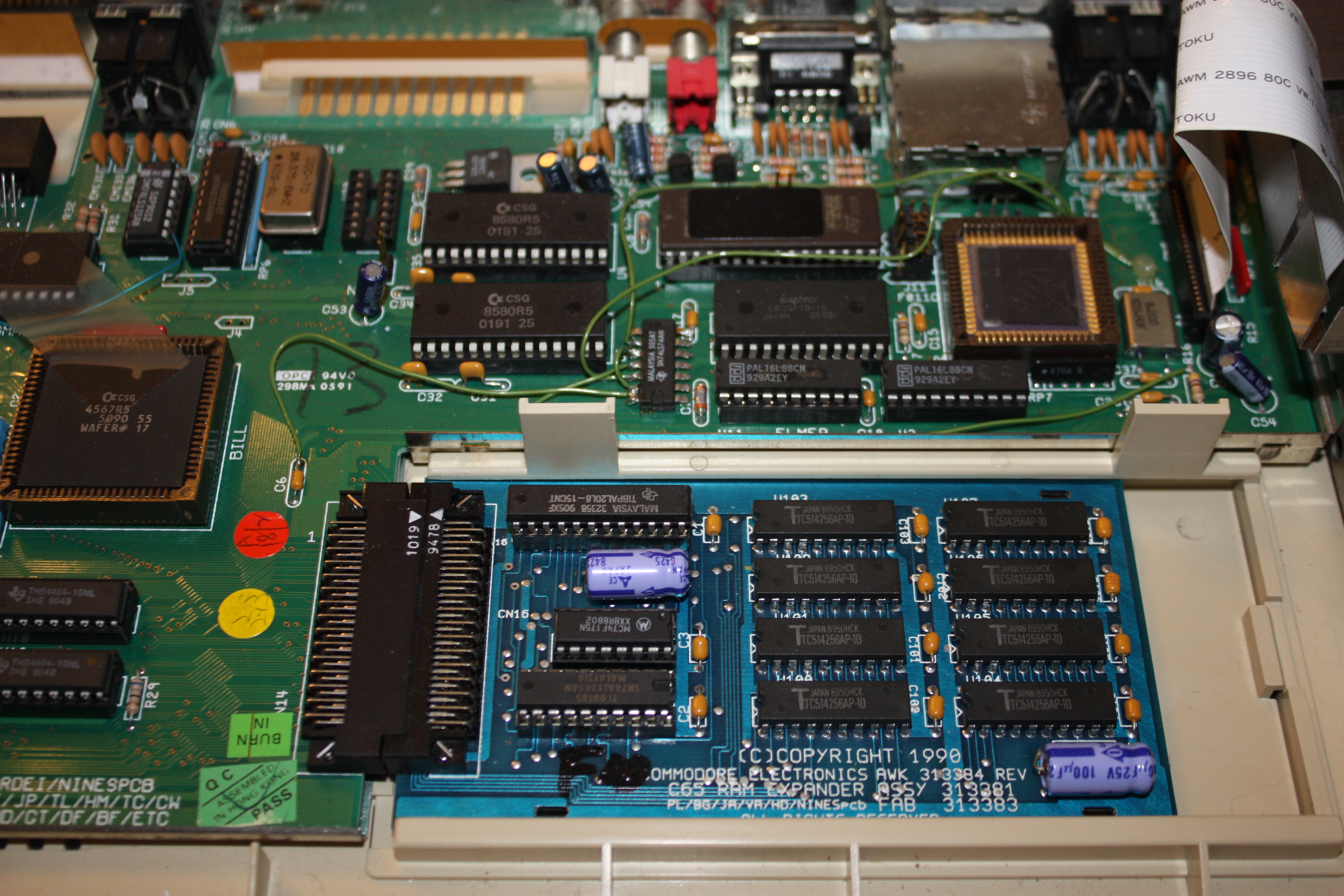
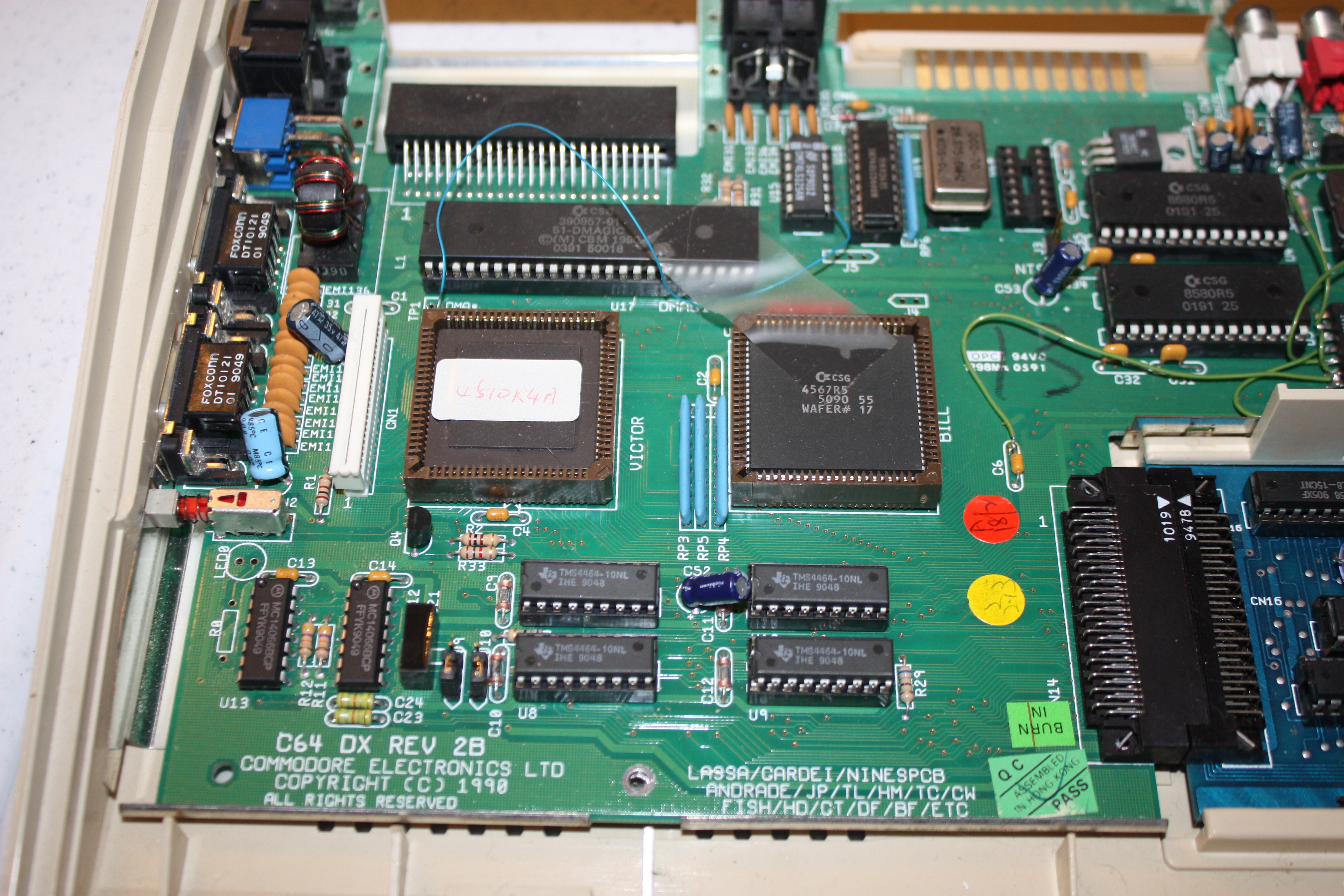
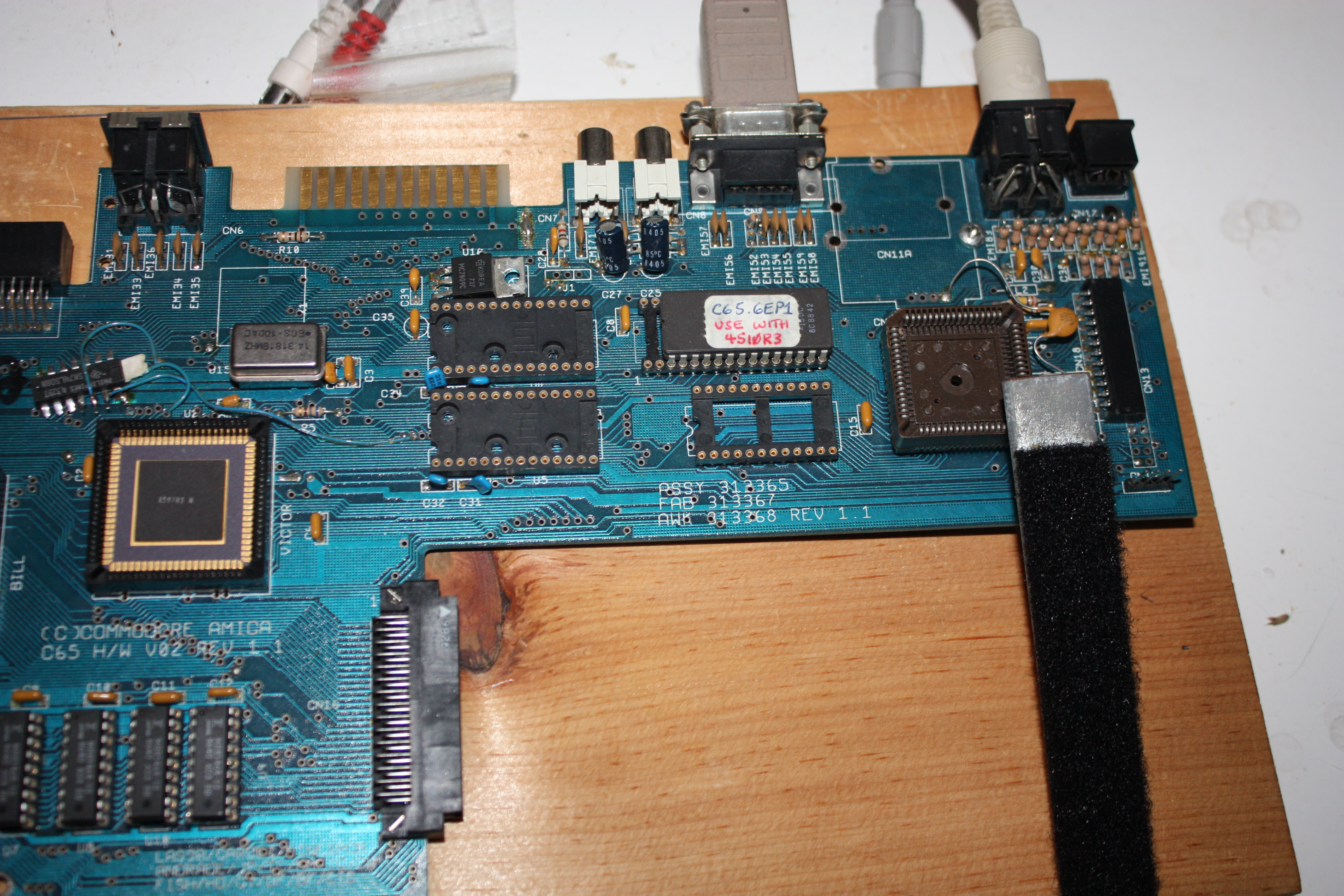
The Commodore 65 was meant to be the C64's true successor, and it came closer to the shops than most of Commodore's might-have-beens. Work began in 1989 in West Chester, led by Fred Bowen with Bill Gardei and Victor Andrade, and early units were labelled C64DX. The idea was simple to state and hard to build: a much faster, much more capable 8-bit machine that would still run the C64 library.
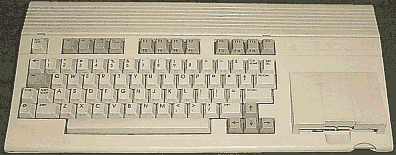
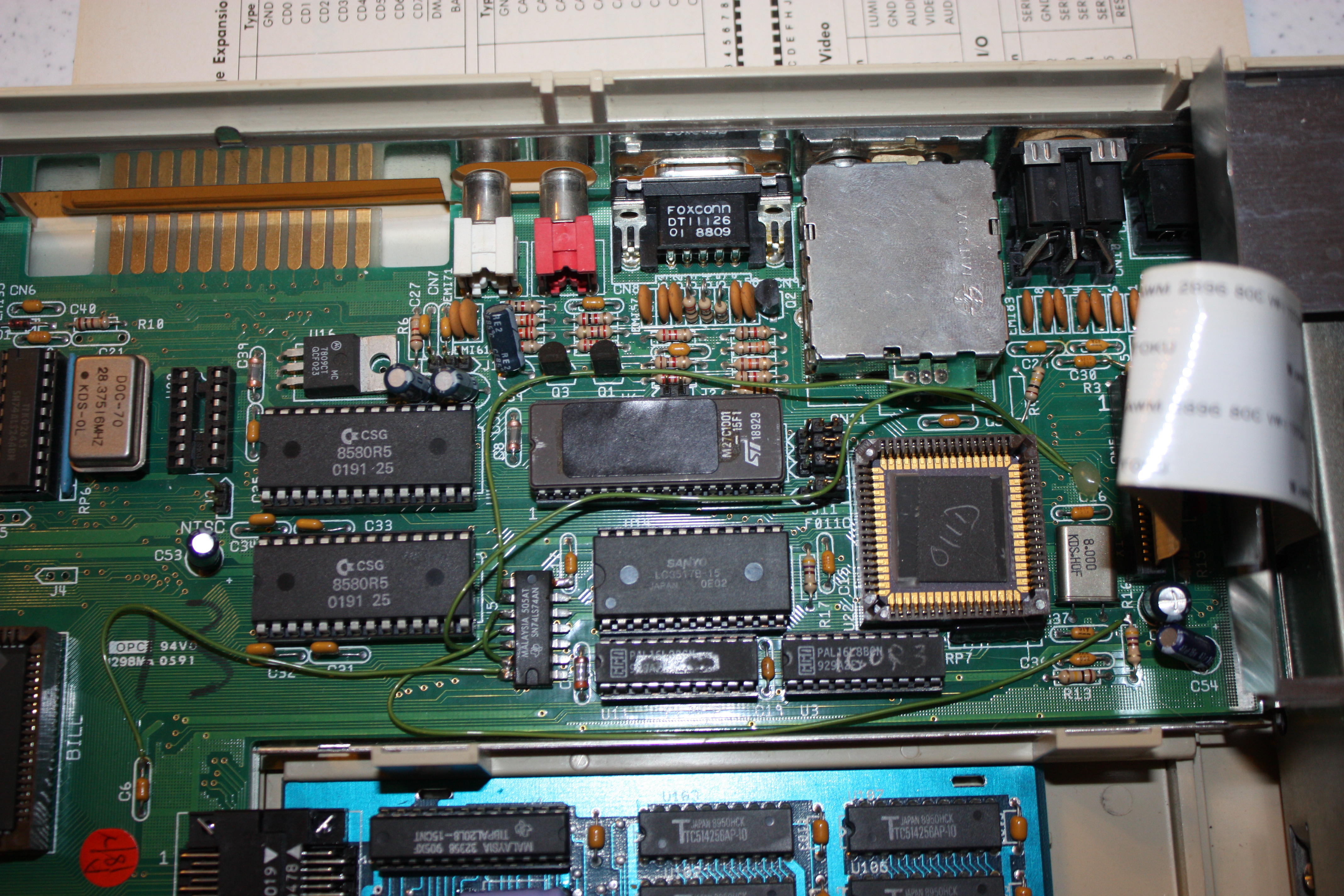
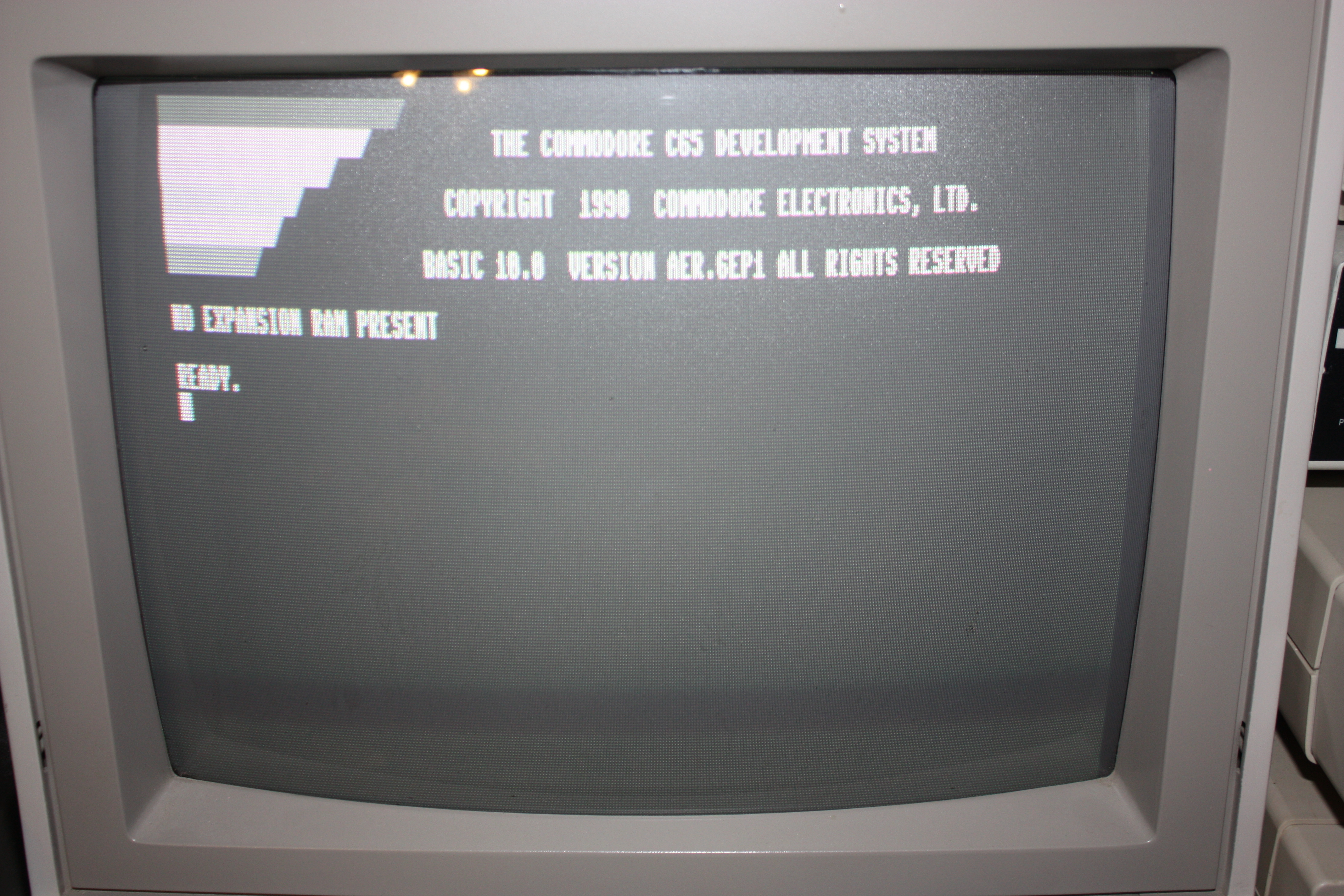
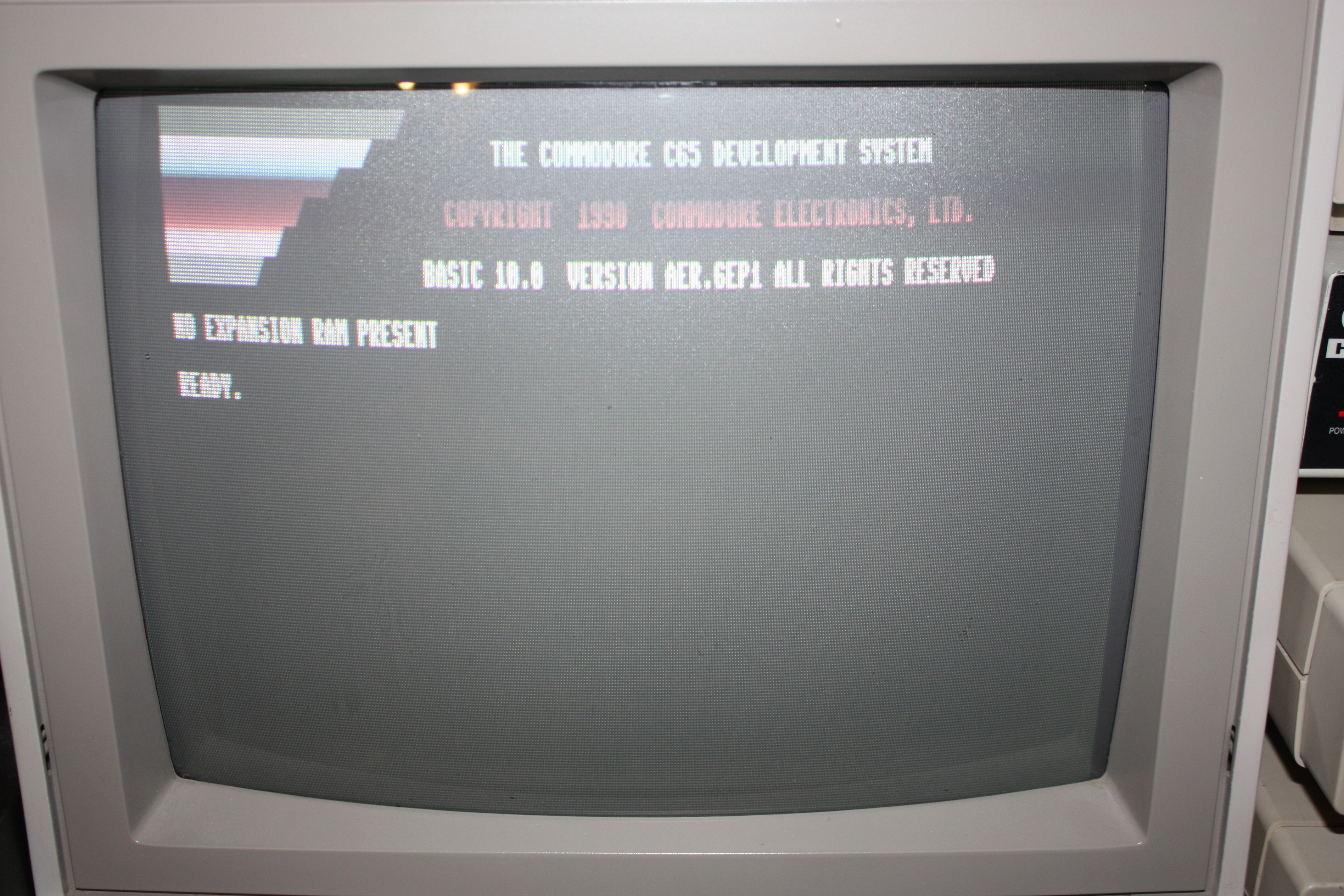
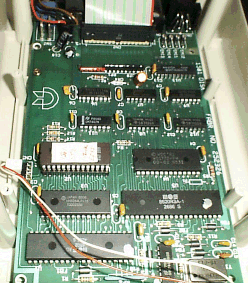
Inside is the CSG 4510, a 6502-family processor built around the 65CE02 core and running at about 3.54 MHz, with 128 KB of RAM that could be expanded much further. The new VIC-III video chip offered an 80-column text mode and bitmap modes up to 1280 by 400 interlaced, with 256 colours picked from a palette of 4,096. Two SID chips gave stereo sound, a 3.5-inch drive compatible with the 1581 was built into the case, and BASIC 10.0 added commands for graphics, sound and the disk. Hold the Commodore key at power-on, or type GO 64, and it drops into C64 mode.
Commodore cancelled the C65 in 1991. The Amiga was its future, and a new 8-bit machine no longer made sense. Prototypes in various states of completion surfaced when Commodore's stock was sold off after its 1994 bankruptcy, and they are among the most sought-after Commodore items today. The design lived on: the MEGA65, built by enthusiasts and shipping from the early 2020s, is a complete re-creation of the C65 in modern hardware.
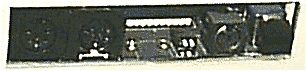
Around the back, the C65 carries a full set of ports: a round connector for the external 1565 drive, composite and RGBI video outputs, a pair of stereo audio jacks, the familiar Commodore user and serial ports, and an expansion port. Along the left side are the power socket and switch, two joystick and mouse ports and a reset button, and underneath, much like the Amiga 500, a trapdoor port takes the memory expansion. The keyboard is a full-size 77-key layout with a cursor pad and twelve function keys.
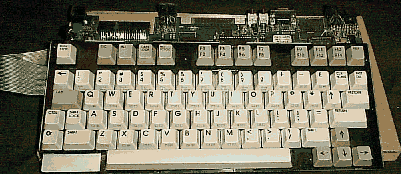
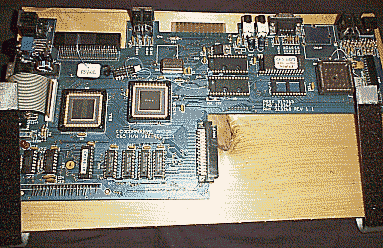
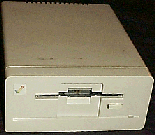
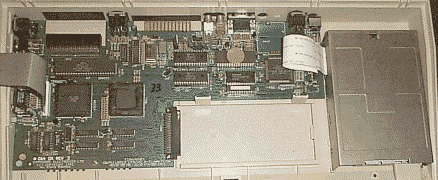
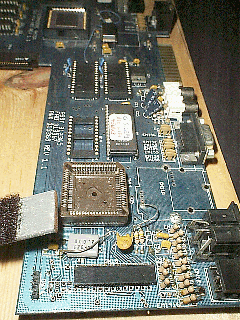
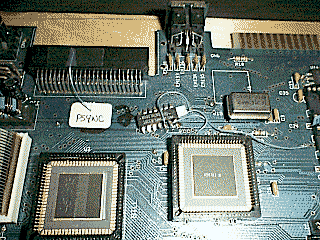
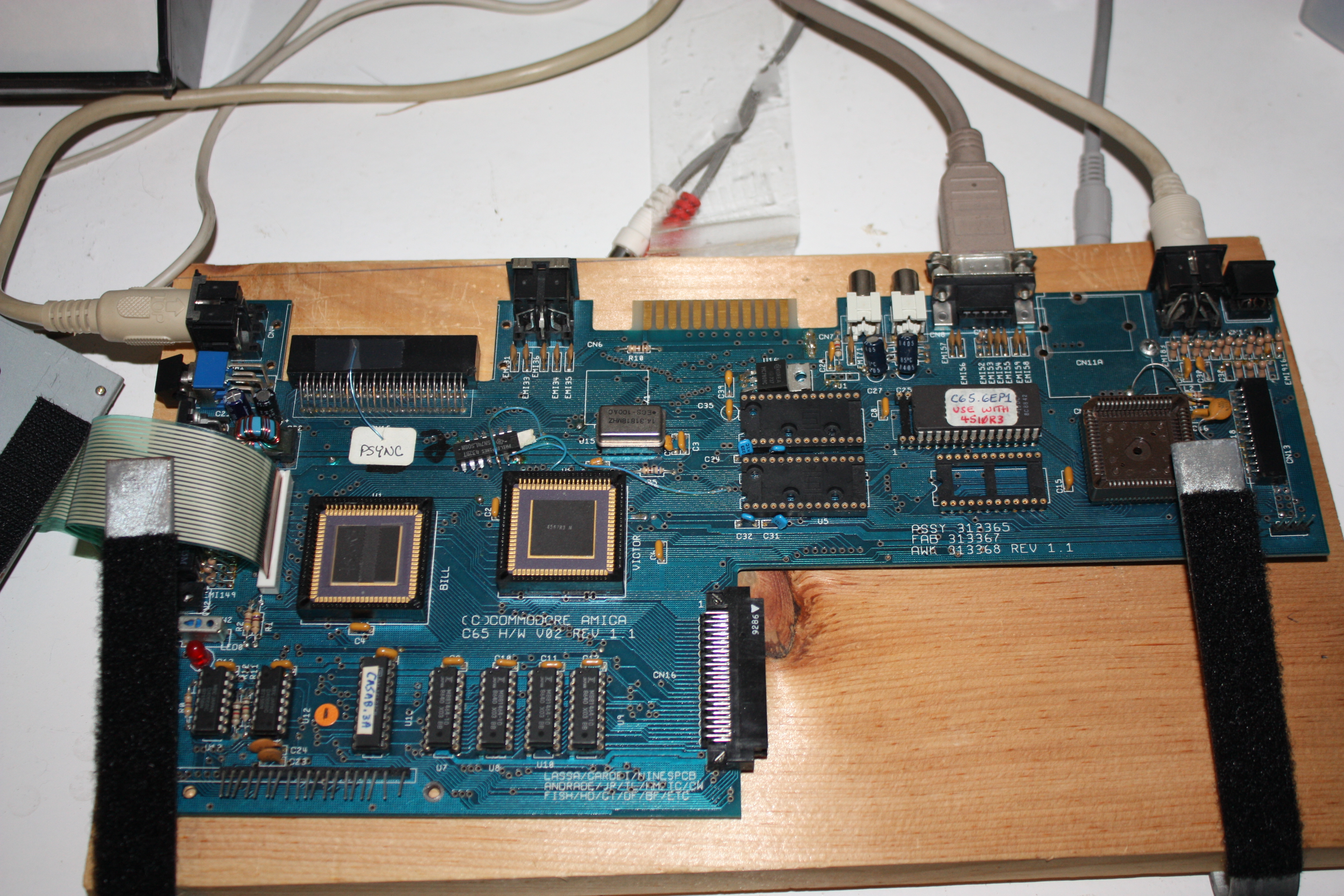
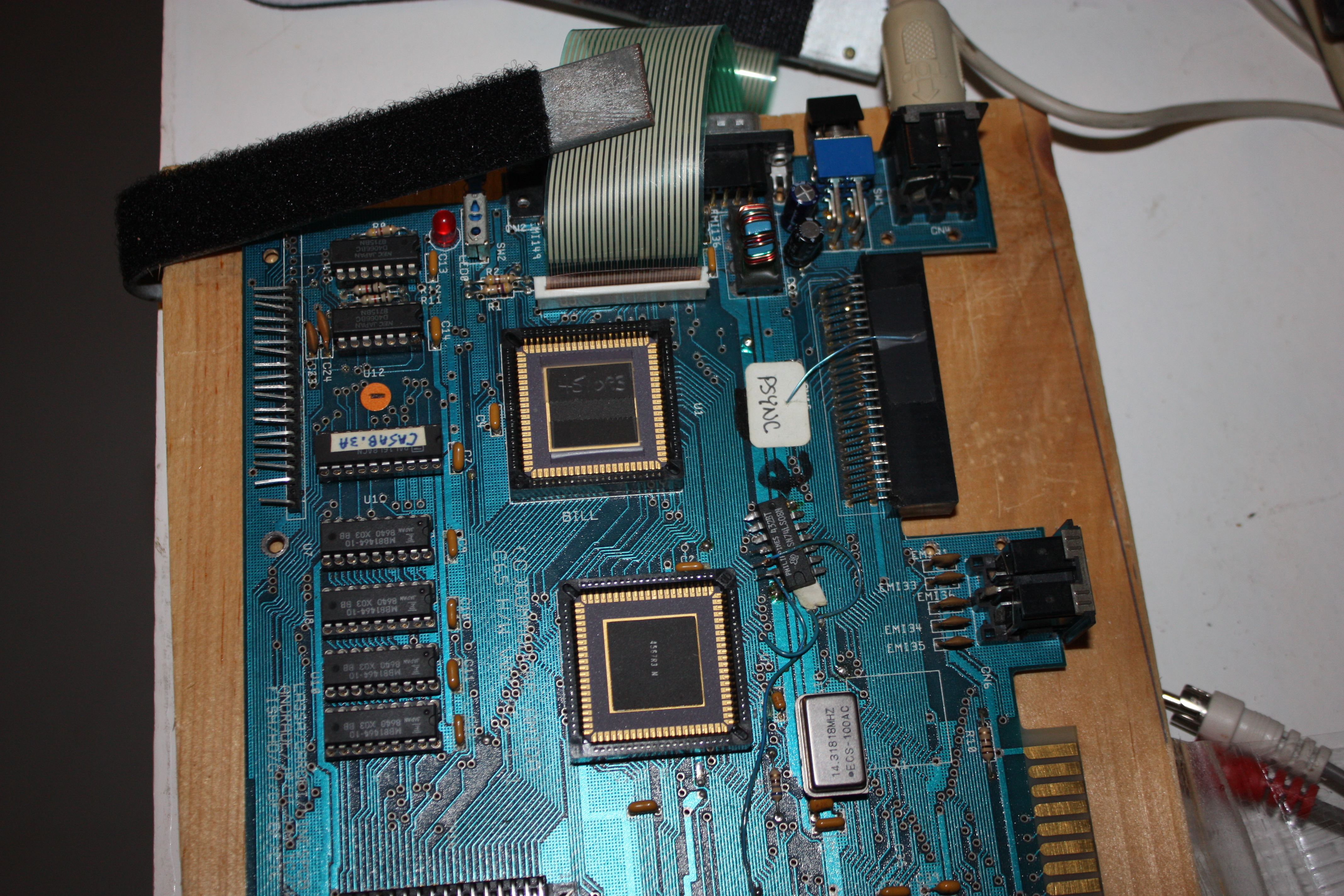
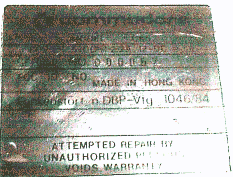
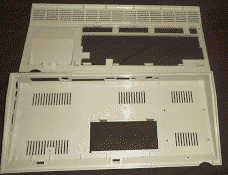
The prototypes that escaped the 1994 sale carry low serial numbers, and estimates of how many exist run from a couple of hundred to around a thousand. Some are finished machines in their production case; others are bare engineering boards on a wooden base with a keyboard attached, used by Commodore's own engineers. A few came with an engineering drive: a 1581 mechanism and board fitted into an Amiga 1010 case.