Add The New York Post on Google Chirayu Rana has finally outed himself in his salacious “sex slave” lawsuit against a JPMorgan bank boss, replacing his “John Doe” moniker for his own legal name after repeated judicial orders, court records show.
Rana was staring down a deadline to correct the lawsuit by the end of last week and use his own name after his motion to proceed anonymously was struck down in a brutal courtroom hearing by Manhattan Supreme Court Justice Dakota Ramseur.
Chirayu Rana’s ‘sex slave’ lawsuit is finally listed with his own name. Sage Mount But at the last minute, his attorney Jon Norinsberg tried to wiggle out of the order on a technicality — limiting where Rana’s name would be listed and making it harder to find the case on the antiquated but reliable New York State Courts Electronic Filing website.
Ramseur quickly filed an order the next day slapping down Norinsberg’s request.
Rana, 35, first filed his April lawsuit, which alleged that he was sexually abused by his JP Morgan manager, 37-year-old Lorna Hajdini, anonymously.
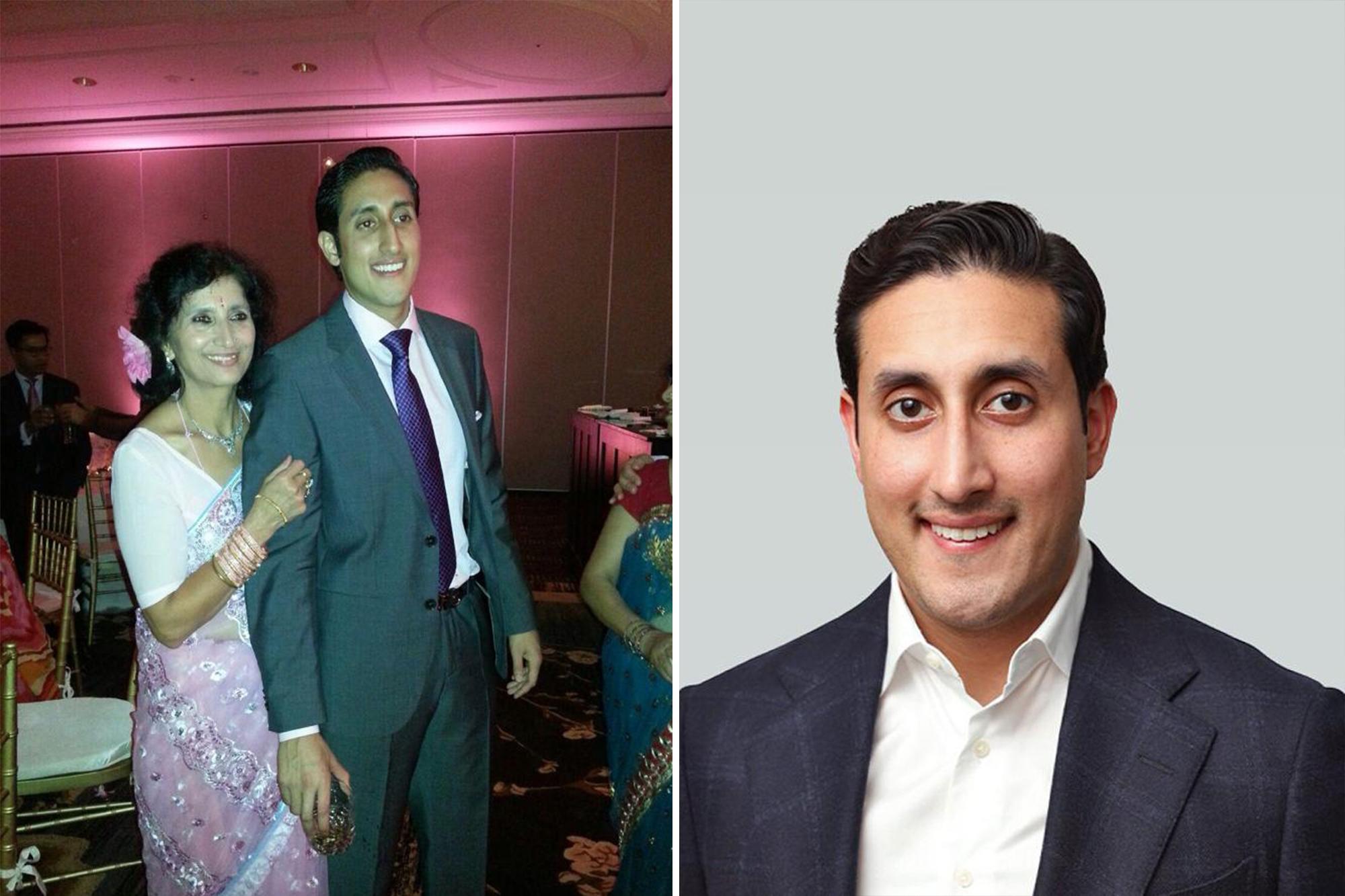
Chirayu, a former JPMorgan staffer, has been accused of making fabricated sexual harassment claims against Lorna Hajdini, an executive at the bank, after an internal investigation found no evidence of wrongdoing. Facebook/Baruna Rana That is, until The Post exclusively unmasked the former banker just days after the suit was filed.
Despite his attorneys pleading to keep his real name off the docket, Ramseur ruled last month that since Rana’s name was out there — and because he was engaging in media interviews himself — it was too late to enjoy the benefits of making his claims behind the veil of anonymity.
“The case law makes it really clear,” Ramseur said back in May. “You can’t put the genie back in the bottle.”
Last week, Ramseur ruled that Rana’s first lawyer could withdraw from the case — but he must also disclose any false statements his client may have made in the original suit.