While PM Keir Starmer says ‘cutting-edge capabilities’ will help to deter evolving threats, some say far more money should be spent
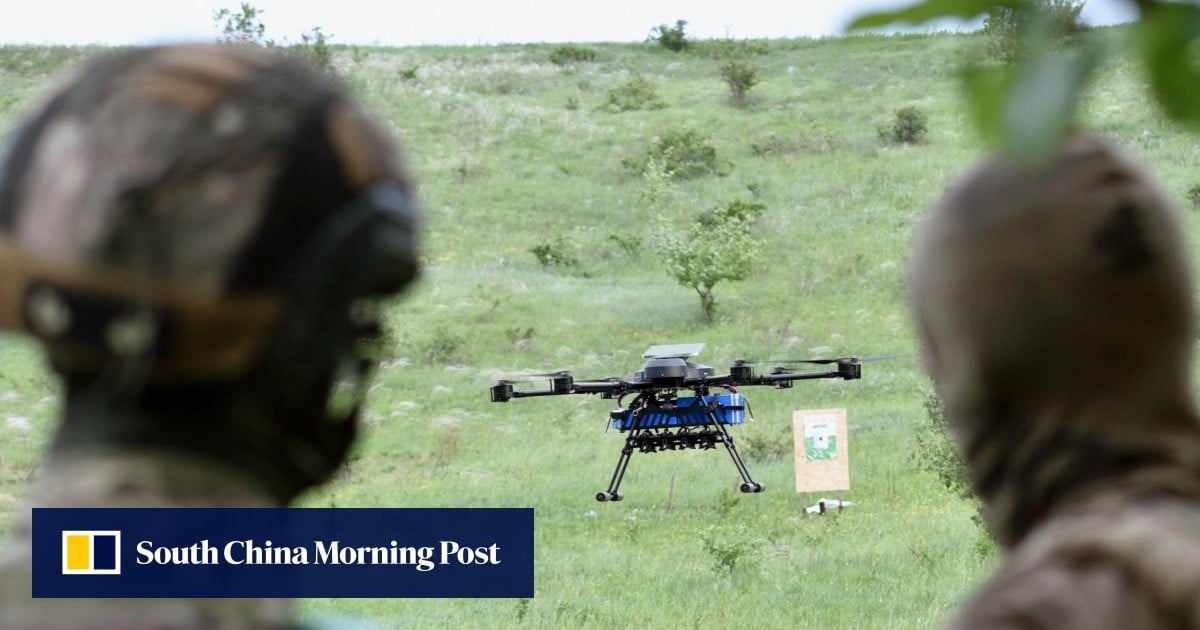
2-MIN READ2-MIN ListenAssociated PressPublished: 5:39pm, 30 Jun 2026Updated: 5:46pm, 30 Jun 2026Self-flying fighter jets, uncrewed submarines and drones will be at the centre of Britain’s future military under a defence plan being announced on Tuesday that reflects a world of conflicts transformed by technology.
The Defence Investment Plan has been repeatedly delayed as military leaders and Treasury officials wrangled over the cost of equipping the nation’s military for an increasingly dangerous world.
Like other Nato countries, the UK is under pressure to increase defence spending to counter a more aggressive Russia and less reliable United States.
John Healey resigned as defence secretary on June 11, accusing the government of being unwilling to spend enough on the military at a time of “rising threats”.
Healey argued that UK defence spending must reach three per cent of GDP by 2030, citing a British intelligence assessment that Russia could attack a Nato member country by then.
He said that the plan put forward by the Treasury would see spending rise to just 2.68 per cent in 2030, after hitting 2.6 per cent next year.