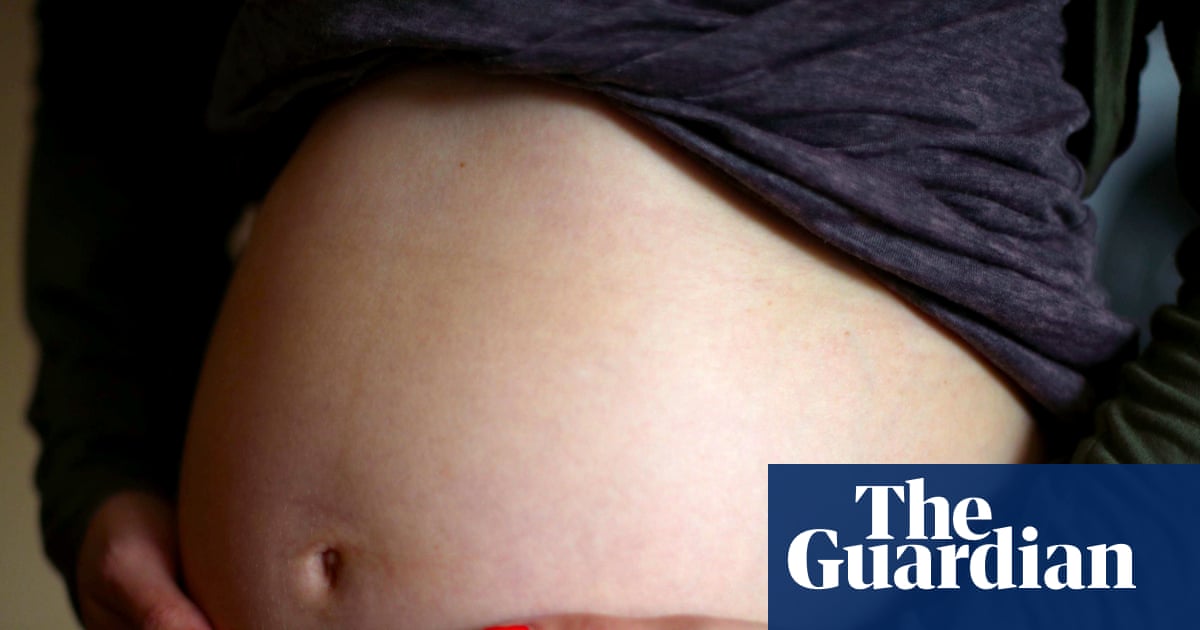
The Amos review made a number of recommendations for how faith could be restored in the NHS maternity system. Photograph: Yui Mok/PAView image in fullscreenThe Amos review made a number of recommendations for how faith could be restored in the NHS maternity system. Photograph: Yui Mok/PAEngland maternity commissioner role would be ‘fundamentally dangerous’, says campaignerFounder of Maternity Safety Alliance says recommendation in Amos report will not solve wider cultural problems
The appointment of a national maternity commissioner would be “fundamentally dangerous”, a bereaved mother who founded a maternity safety campaign group has warned.
Emily Barley, whose daughter Beatrice died because of failings at Barnsley hospital in 2022, told BBC Radio 4’s Today programme that the recommendation for a maternity commissioner in England in the Amos review was “not going to do what we need to move maternity safety forwards”.
Ministers have bowed to growing pressure by agreeing to recruit the UK’s first commissioner for maternity and neonatal care. Whoever takes on the role will pursue hospitals over persistent failures in care, ensure wide-ranging improvements are made and try to restore the faith of families in a maternity system in England that has been rocked by a series of scandals.
James Murray, the health secretary, announced the move in response to Valerie Amos’s government-commissioned inquiry of maternity care, which concluded it was a system characterised by poor care and a failure to listen to women, and was plagued by racism and discrimination.
But Barley, who co-founded the Maternity Safety Alliance, said appointing a powerful maternity commissioner would be “fundamentally dangerous”.
“Concentrating all of the power and responsibility for turning around maternity services in the hands of one person is, in my view, just insane,” she said. “It’s not achievable. It seems designed to me to grab headlines, but not to make the change that we need.”
Asked what she thinks should be changed and what would have prevented her situation, Barley said: “None of the things in this report would have prevented what happened to Beatrice, and what we’re finding is this pattern of not being listened to, which Baroness Amos does highlight in her report, but we’re finding now that even after our children have died, we’re still not being listened to.”
Barley also repeated her call for a public inquiry into maternity care failings.
Responding to the criticism on BBC Radio 4’s Today programme, Lady Amos said: “This is not about concentrating power in the hands of one person. It is about saying that you need an independent voice and advocate for women and families.”
In her report, Amos made eight main recommendations to improve care, including that:
Maternity triage services – the childbirth equivalent of A&E – need an urgent overhaul, including more staff on duty, so that women’s concerns are acted on more quickly.
Families should get the right to seek a fresh, independent investigation when things go wrong if they are not happy with the hospital’s own inquiry.
The NHS’s “brutal” and “cruel” system of agreeing compensation with harmed and bereaved families should be replaced by a new process in which hospitals admit errors immediately.
The NHS must root out racism and discrimination that is “embedded throughout the maternity and neonatal system”.
Read moreAsked why women are not being listened to in NHS maternity services and how they can be protected when they are at their most vulnerable, Amos told BBC Breakfast: “We have to change the culture. We have to make sure that the staff who are looking after the women, that they understand how to deal with trauma.
“We have to have cultures in our health services where people feel able to speak up, where they are able to say, ‘look, something is going wrong here’, and when somebody more senior is not able just to shut you down.
Amos told the Today programme her “personal view” was that a statutory public inquiry was not needed.
“Statutory public inquiries take such a long time that the changes that I am proposing, which I would like to see start now, that this could have a transformational impact on the system, and we would not need a statutory public inquiry, but that is a personal view, and I absolutely understand why some families are calling for one,” she said.