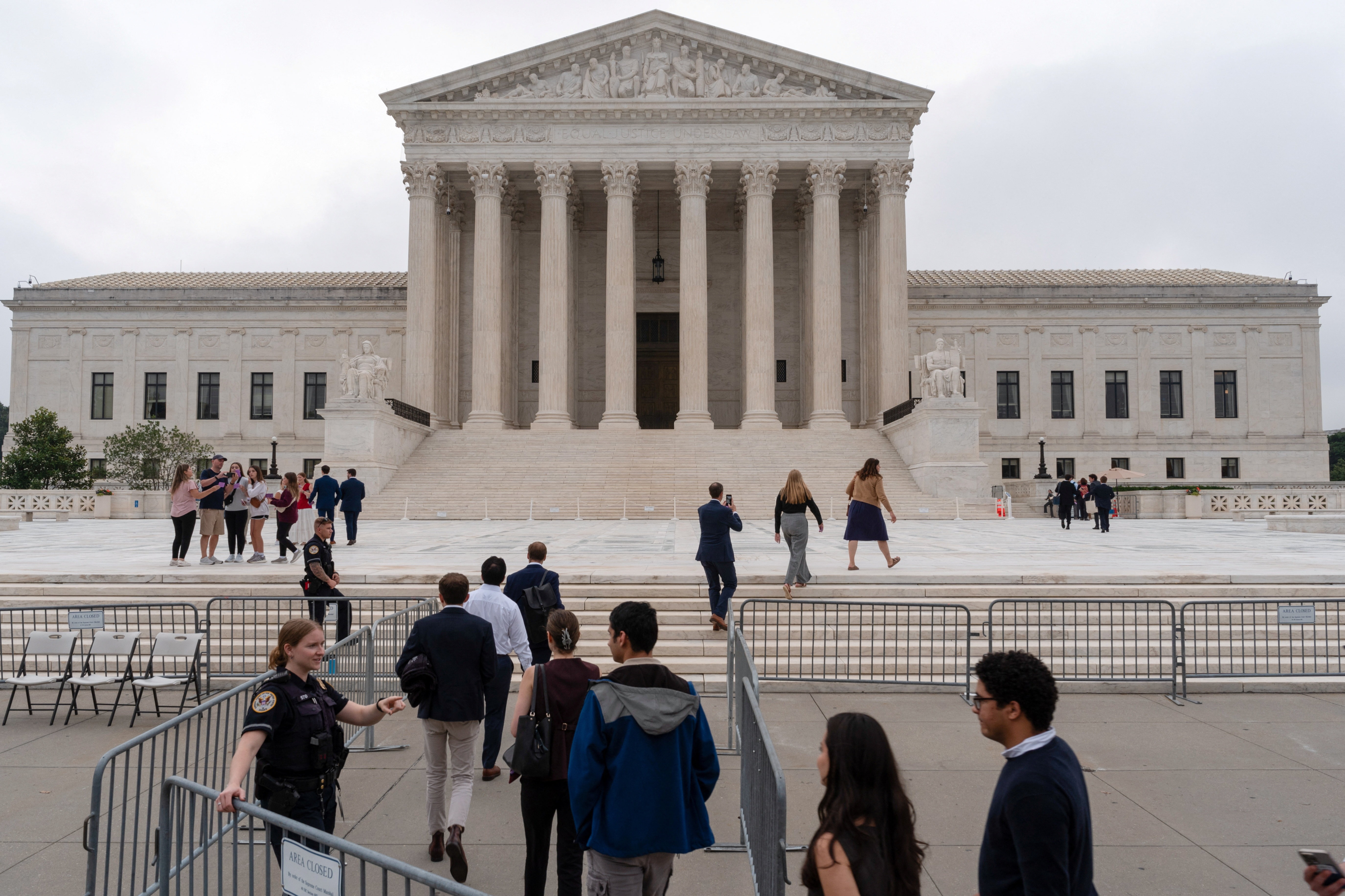
Add The California Post on Google The Supreme Court surprised observers Monday by allowing states to count ballots that arrive after Election Day. But just because something is constitutional doesn’t make it right, or smart.
The case involved a Mississippi law, not a California one. Mississippi allows ballots to be accepted if they arrive up to five days after Election Day, as long as they are postmarked in time. California’s standard is more lenient, allowing ballots to arrive up to seven days late.
The system has made California notorious for its interminable delays, and for Election Night leads that turn into painful defeats in close races by the time the mail-in ballots are counted.
The Supreme Court surprised observers by allowing states to count ballots that arrive after Election Day. REUTERS The very idea that ballots can be counted if they arrive after Election Day creates suspicion. Why wouldn’t political campaigns just wait to see how many votes they need to make up after Election Night, then slip through as many ballots as they needed to make up the difference?
That is supposed to be impossible, since ballots still have to be postmarked by Election Day to be counted, and because of security around ballot drop boxes. Still, it’s not as if California is a stranger to fraud, and the stakes are high enough that some activists might just try their luck.
The Court’s majority opinion, written by Justice Amy Coney Barrett, cited narrow, originalist grounds. “The Constitution requires the ‘Day on which [the electors] shall give their Votes’ to be ‘the same throughout the United States,’ … but says nothing about the day for receipt.”
The system has made California notorious for its interminable delays. Getty Images The dissent, by Justice Samuel Alito, states: “Allowing absentee ballots to pour in over the days and weeks after election day, by which point preliminary election returns are being publicly reported, creates greater opportunity for fraud and risks further undermining the public’s confidence in election integrity.”
Justice Barrett acknowledges that problem, but says that “policy arguments are properly directed to legislatures, not courts.”
So — it’s up to the legislatures, and the voters, to restore trust in the American voting system.
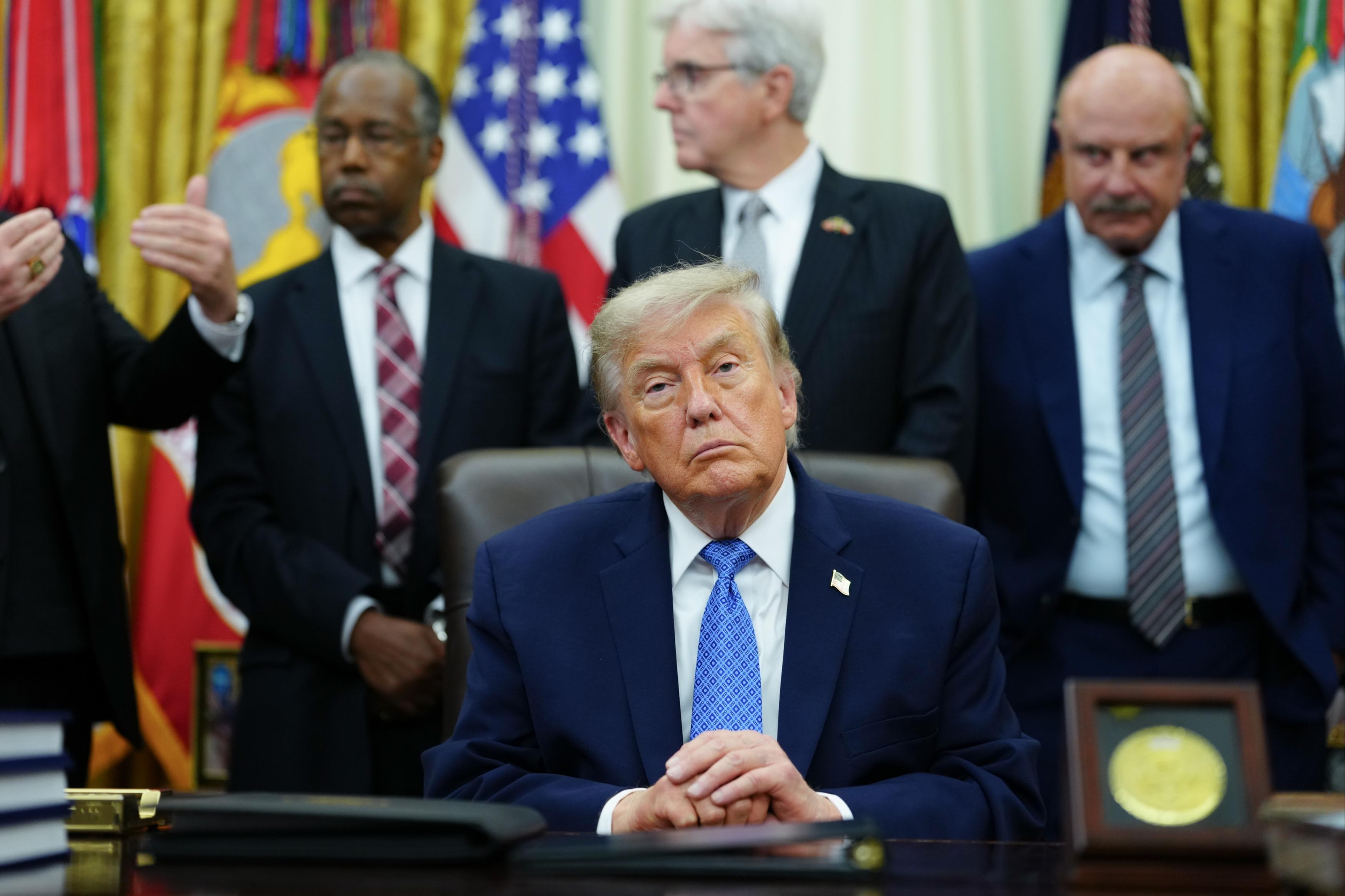
President Donald Trump is pushing Congress to pass the Safeguard American Voter Eligibility (“SAVE America”) Act. He may yet find the votes. Regardless, in California, a ballot initiative to require voter ID has a real chance of passing in November.
The courts are not coming to our rescue. The fate of our democracy is in our own hands. We should not miss the opportunity to make a difference.