Add The New York Post on Google As America approaches its 250th birthday, we’re about to hear a lot about the founders. Schools and sites of civic care will revisit the names and lives of George Washington, James Madison, Thomas Jefferson, John Adams and more. There will be lessons about the extraordinary risks of the founders as they mutually pledged to each other, “our Lives, our Fortunes and our Sacred Honor” at the end of the Declaration.
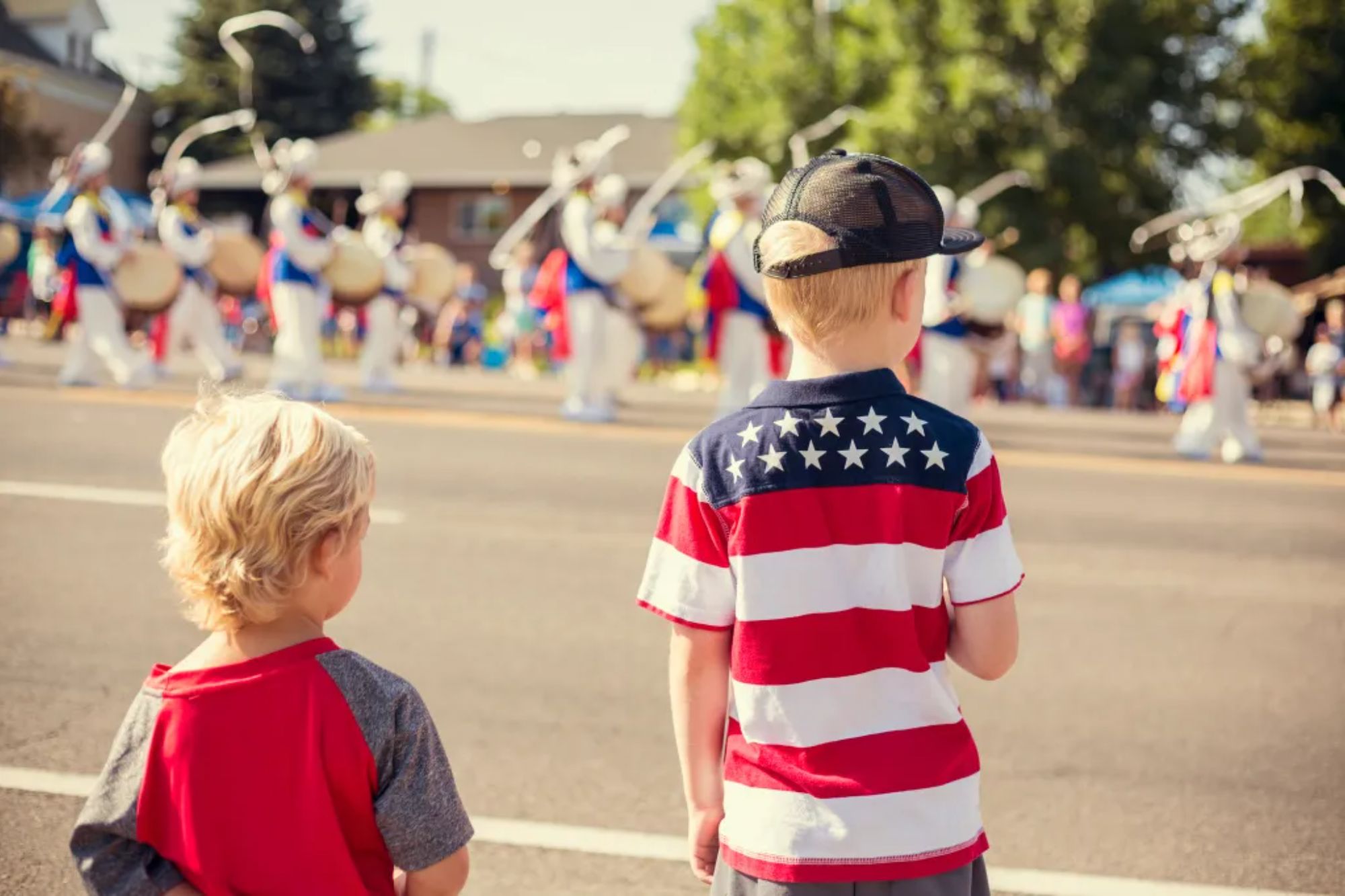
We’ll celebrate the Revolution, reference the founding documents, claim the ideals as noble, gather family and friends for food and fireworks. And we should.
But if looking to honor the past is all we do on July 4, 2026, we will miss out on a big opportunity to think about America in a way stands to make it a better country and a more perfect union.
The founders didn’t call themselves “founders”; it wasn’t until President Warren G. Harding spoke the phrase “Founding Fathers” in 1916 that we even had that term. Prior to that, each successive set of political leaders paid tribute to their “forefathers” for moving America forward into something new and better.
But “founder” works for the modern ear as we cast the nation as some sort of grand start up. Yet at 250 years in, it’s time for an updated notion of who ought to take on the work of making America what it is. America isn’t something that was “found” once and finished. It’s a continual collective act of experimenting and finding. It’s something that must be built and rebuilt by every generation.
We, the people, alive at this very moment, must take up the call of being the founders of today. I spend much of my time talking to middle schoolers, high school students and college undergraduates about politics and government. And I often start with a simple exercise: I ask them what they’ve heard about the founders.
They can usually tell me a few things. They’ll give a few names. They’ll tell me there were all men, all landowners, and that a good number of them participated in slavery. If I’m lucky, they’ll have a few quotes or lines from the Declaration of Independence. We then go through about a half hour of thinking about what political participation looks like for young people today. Then I end by asking them a question that they typically don’t hear in civics lessons: What kind of founder are you?
At first, they hesitate. That question doesn’t fit with how they’ve been taught to think about American history. To them, “founders” are people in textbooks who are distant, exceptional, and long gone.
But I think this approach misses out on an opportunity for us to reinvigorate what it is to learn about and care about this country.
If we treat founding as something that only happened in 1776, we turn what could be an ongoing effort of love of country into historical spectatorship. Couple that with endless talk about about how broken everything of today feels, like our politics, institutions and the tone of our national conversation it can be easy to feel like American government is something happening to us, not something that belongs to us.
The founders of 1776 understood something we sometimes forget: the system they were building would only be as strong as the people inside it, because self-government only works if, we the people, understand it and take responsibility for pushing it along.
That’s why the 250th anniversary shouldn’t just be a celebration of what happened back then. It should be an invitation to see ourselves as part of the ongoing work of founding because that work isn’t finished, it never will be.
And if we are still interested in pursuing life, liberty, and the pursuit of happiness (as I hope most of us are) when marking 250 years of American independence, it’s worth considering not just what the founders did, but what we’re going to do next. And what kind of founders we are willing to be.
Lindsey Cormack is an associate professor of political science at Stevens Institute of Technology, a JMC Scholar, author of “How to Raise a Citizen (And Why It’s Up to You to Do It)”, and host of Government that Doesn’t Suck