Analysts say modest meeting outcomes and shrinking institutional channels leave diplomacy unduly reliant on the leaders’ personal rapport
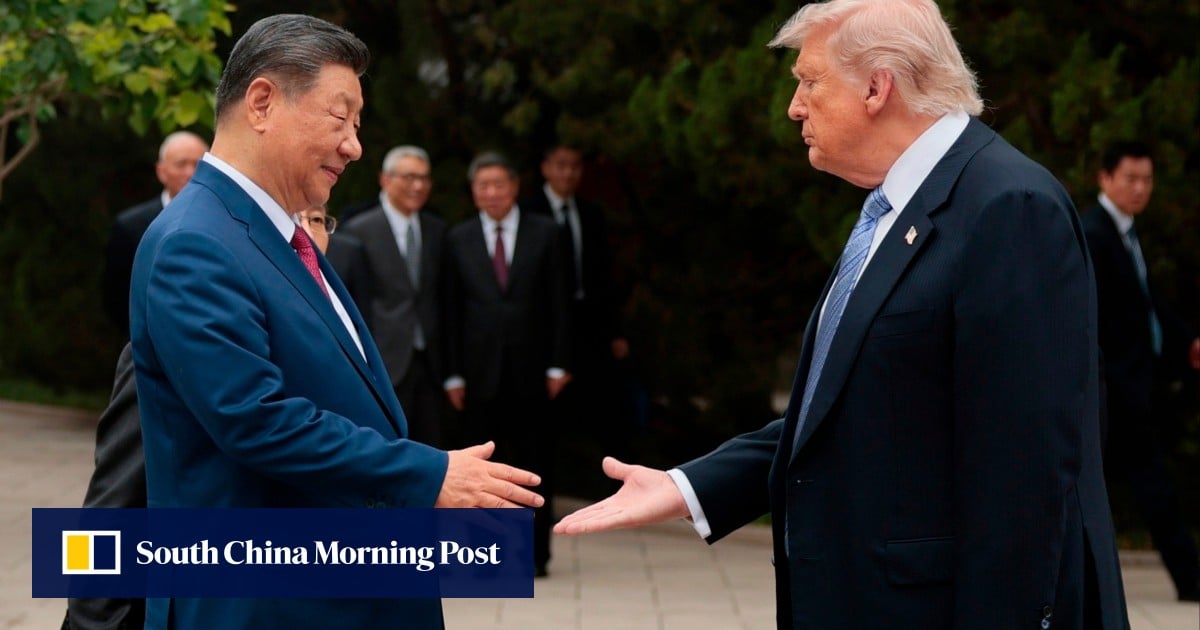
6-MIN READ6-MIN ListenMark Magnierin New YorkPublished: 12:36am, 27 Jun 2026Updated: 12:42am, 27 Jun 2026As the summit between Chinese President Xi Jinping and US President Donald Trump fades in the rear-view mirror, marked by anaemic deliverables, poor transparency and missed opportunities, analysts and former US officials point to another disappointment: the world’s most consequential relationship has become inordinately dependent on the two nations’ top leaders.
“Coming out of this visit, it’s pretty clear that Donald Trump runs China policy,” said Evan Medeiros, Asia studies chair at Georgetown University and a former China director at the National Security Council (NSC). “He’s clearly very heavily personally and politically invested in this relationship, and we should expect him to be the China desk officer going forward for the remainder of 2026.”
Trump’s turbulent management style and mercurial personality, which he prides himself on, provide a rickety structure, hardly a solid foundation for bilateral or global stability, analysts add.
This is not Beijing’s preferred approach. While most nations prepare exhaustively for summits, Beijing takes it to another level, paying exhaustive attention to details ranging from the mundane to the strategic.
02:58Xi Jinping gives Donald Trump an ‘extremely rare’ private tour of Beijing’s ZhongnanhaiWashington has traditionally followed its own detailed playbook, drawing expertise from multiple agencies over months shepherded by the NSC, “at least the ones I was involved in with China,” said Craig Singleton, senior China director with the Foundation for Defence of Democracies (FDD) and a former diplomat. “That hasn’t been the case here. It is a little fast and loose.”