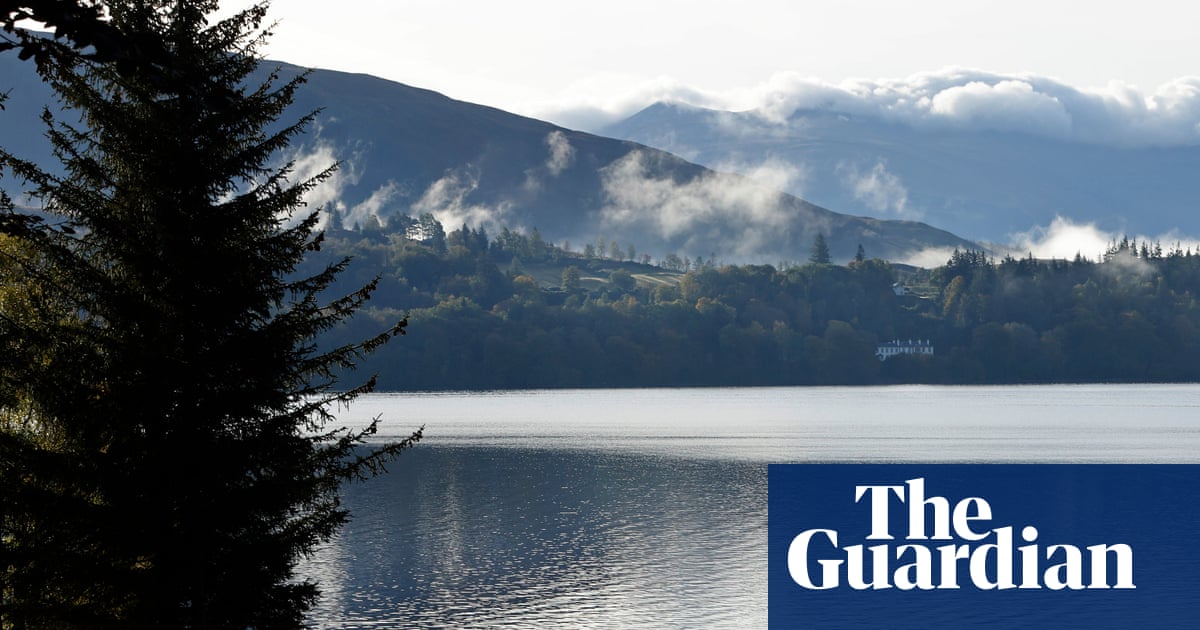
SSE’s Coire Glas at Loch Lochy is on the list. Photograph: Murdo MacLeod/The GuardianView image in fullscreenSSE’s Coire Glas at Loch Lochy is on the list. Photograph: Murdo MacLeod/The GuardianFirst hydropower projects in Great Britain in 40 years given go-aheadThree pumped storage hydroelectric power station sites in Scotland on list of 16 long-duration electricity storage plans
The energy regulator has given the provisional green light for the construction of the first new hydropower projects in more than 40 years, part of plans to reduce Great Britain’s reliance on energy imports.
Ofgem has published a list of 16 long-duration electricity storage projects, facilities that can store and release electricity for periods of eight hours or more, it has provisionally agreed can proceed.
The list includes three pumped storage hydroelectric power station projects in Northern Scotland – Statera Energy’s Loch Kemp, which would draw water from Loch Ness, SSE’s Coire Glas at Loch Lochy between Fort William and Inverness, and Gilkes Energy’s Earba, which would be the UK’s largest pumped storage hydro facility.
They will be the first new facilities to be built since the Dinorwig hydropower plant in north Wales, known locally as electric mountain, in 1984.
“Forty years after the country’s last pumped storage facility, this government is getting Britain building again,” said the energy minister Michael Shanks. “The lesson from the conflict in Iran is clear: Britain cannot afford to remain at the mercy of volatile fossil fuel markets and leave families exposed to the next price shock.”
The other 13 projects given the provisional green light use other energy storage technologies including compressed air, lithium-ion batteries and vanadium redox flow batteries.
The 16 projects, which are located across England, Scotland and Wales, are designed to help balance the supply and demand of electricity, which can fluctuate because of the unpredictability of renewable energy sources such as wind and solar power.
“Ofgem is creating the right infrastructure for renewable energy to thrive and improve our energy security and reduce reliance on global gas markets,” said Akshay Kaul, the director general for infrastructure at Ofgem. “It’s fantastic to see such a wide range of technologies coming forward. This takes us a step closer towards the long-duration energy storage we need in a clean power system to maintain secure supply during periods of cold, hot, still or cloudy weather when solar or wind power output may be low.”