Add The New York Post on Google Katie Couric is alleging that former “60 Minutes” executive producer Jeff Fager undermined her during her time at CBS News, claiming he rejected story ideas she pitched — only to later assign them to male colleagues.
Fager “just didn’t like me,” Couric told Alex Cooper’s “Call Her Daddy” podcast on an episode aired Wednesday.
The former “Today” co-host told Cooper that she encountered “naysayers and people trying to sabotage me internally” after becoming the first woman to serve as the solo anchor of a major network evening newscast in 2006. She also reported for “60 Minutes” at the same time.
Couric singled out Fager, who oversaw “60 Minutes” during much of her time at CBS, describing two instances she said exemplified the treatment she received.
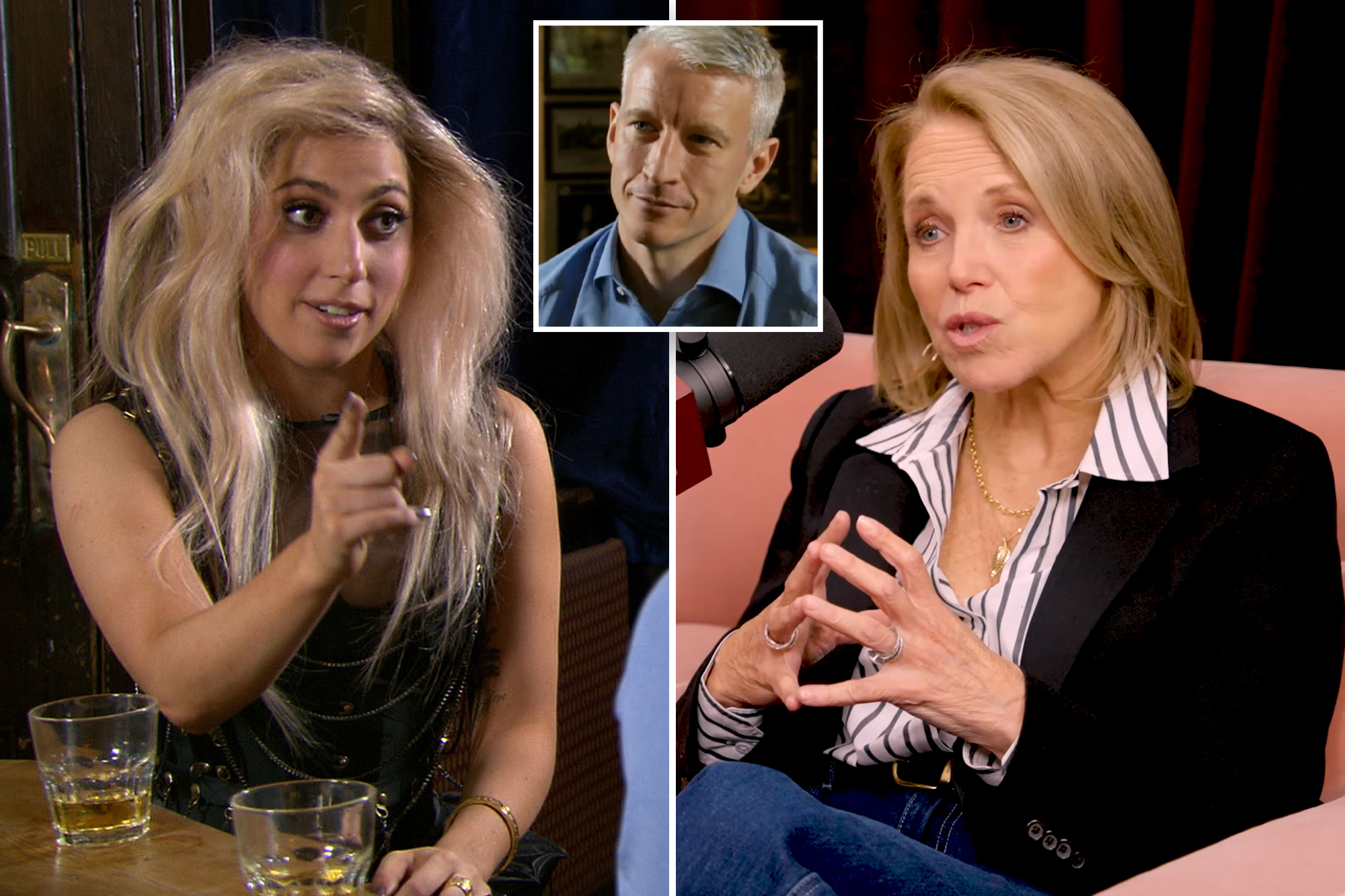
She recalled pitching what she believed would become a breakout profile of then-rising pop star Lady Gaga.
“I said, ‘There’s this incredible singer and I think she’s going to be the next Madonna … I think we should do a profile of this person, Lady Gaga,'” Couric said, adding that she was later told: “I talked to Jeff and he said it’s not for us.”
About a year later, Couric said she walked past a newsroom whiteboard and discovered the same story had been assigned to fellow correspondent Anderson Cooper.
“I see Lady Gaga, Anderson Cooper,” she said. “I know. And I was like, what? Like, this was my whole idea.”
Couric also recounted being assigned a profile of then-Secretary of State Hillary Clinton that she said was quietly given to another journo.
According to Couric, Fager initially told her: “Katie, we want you to do a profile of Hillary Clinton as secretary of state.”
But she said her producer later informed her that State Department officials were confused because another CBS team was contacting them about the same interview.
“It was sort of a bald-faced lie and then it was being done behind my back, like, without even the decency to call me,” Couric said.
“Talk about getting gaslit. I mean, to me that is the definition of it.”
A source close to the Fager disputed Couric’s account, calling it “simply not true.”
The person said Fager ensured Couric received strong producers and major assignments, including a high-profile interview with Chesley “Sully” Sullenberger that correspondent Scott Pelley also wanted.
“You should ask Bill Owens, who was executive editor at the time,” the source added.
A separate source familiar with the situation said: “[Couric] could never accept that CBS sent her away and she’s been looking to blame anyone she can ever since.”
Couric joined CBS News in 2006 after a 15-year run on NBC’s “Today.”
At the time, it was considered a major coup for CBS, which hired her in a widely publicized effort to revive the third-place “Evening News.”
While her tenure produced award-winning journalism — including her widely watched 2008 interviews with Republican vice presidential nominee Sarah Palin — the broadcast remained in third place in the ratings for much of her five years at the anchor desk.
Couric departed the network in 2011, later launching a syndicated daytime talk show.
Fager, who succeeded longtime showrunner Don Hewitt as top boss at “60 Minutes” in 2004, left the company in 2018 after CBS said he violated company policy in connection with a text message sent to a CBS News correspondent who was reporting on misconduct allegations against him.
CBS said at the time that his dismissal was not directly related to the underlying allegations, which Fager denied.
Couric’s allegations also resurface as “60 Minutes” is in the midst of its biggest upheaval in decades.
Owens, the longtime executive producer who succeeded Fager, resigned last year. He alleged that growing corporate involvement in editorial decisions had deprived him of the independence he believed the show’s executive producer needed.
Months later, Bari Weiss took over CBS News as editor-in-chief under new owner Paramount Skydance.
Under Weiss, the network replaced Owens’ successor, Tanya Simon, installed Nick Bilton as executive producer and dismissed several newsroom veterans. Those include correspondents Sharyn Alfonsi and Cecilia Vega, whose ousters sparked a revolt inside the newsmagazine.
Pelley became the public face of that backlash after confronting Weiss and Bilton about the exits during a staff meeting and accusing management of “murdering” “60 Minutes.”
CBS News fired Pelley shortly afterward, citing a breakdown in trust. Pelley has disputed that characterization, saying he was defending the show’s editorial independence.
Cooper stepped away from “60 Minutes” earlier this year after nearly two decades with the program.
While Cooper publicly said he wanted to focus on his family and his work at CNN, multiple reports said he was uncomfortable with the direction of the news division under Weiss and chose not to sign a new contract.
The Post has sought comment from CBS News, Couric, Cooper, Fager, Owens and Pelley.