Add The New York Post on Google Moisturizing, and healing, and anti-aging, oh my!
Known as “the miracle elixir of life,” one plant’s therapeutic effects have been used in both Ayurvedic and traditional Chinese medicine for thousands of years.
Now, the lily pad-esque botanical is a key ingredient of Korean skincare regimens, promising a bevy of benefits.
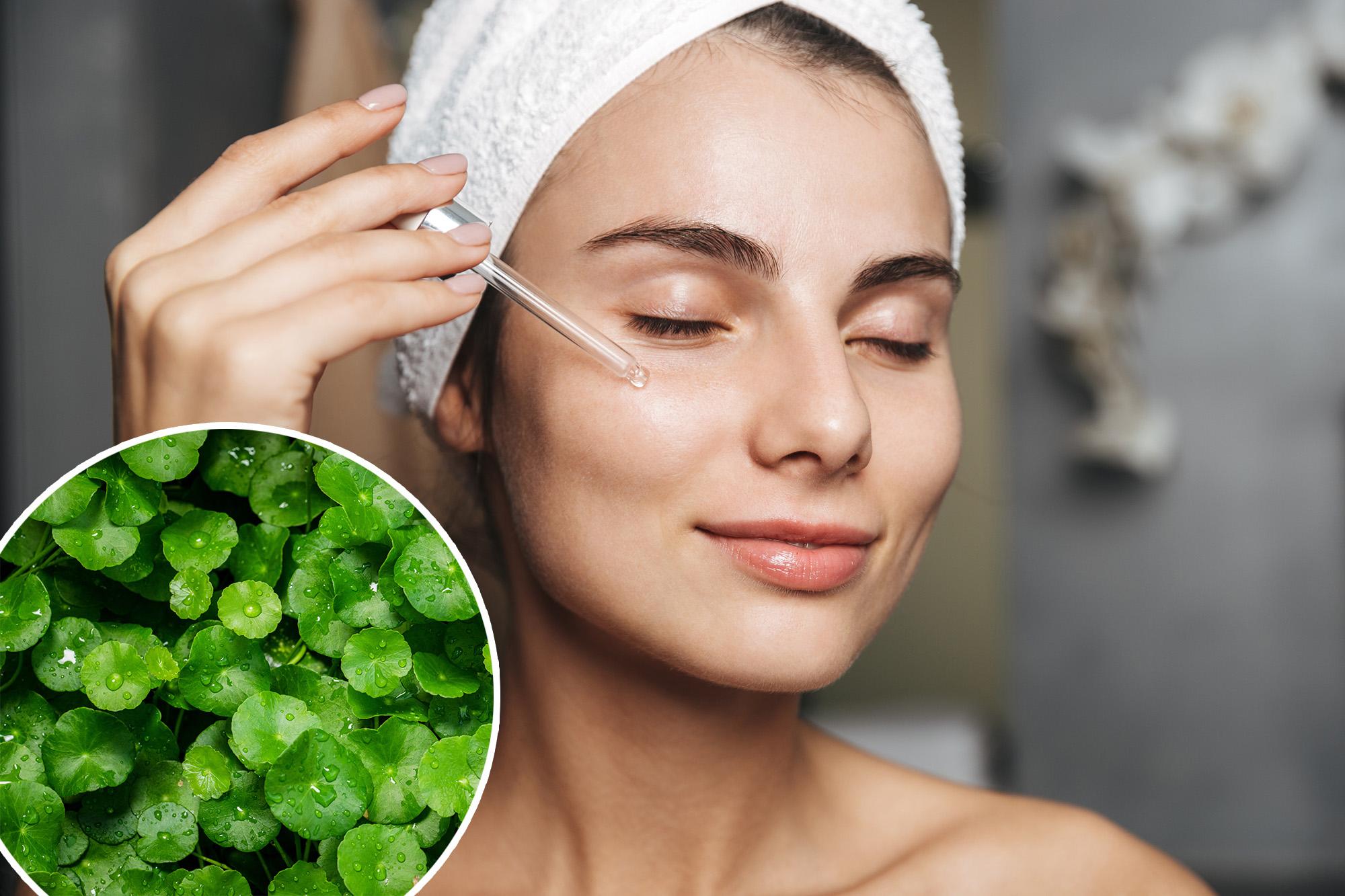
A plant known as “the miracle elixir of life” and used for thousand of years is now a staple of Korean skincare routines. Wassana – stock.adobe.com Nicknamed tiger grass — because tigers have been known to roll around in it to heal wounds — centella asiatica is a medicinal herb that grows in regions of Asia and Africa.
It’s even been dubbed the “herb of longevity” for its ability to speed up the healing of wounds and its use for a variety of medical conditions.
You don’t have to go into the jungle to reap all the benefits of centella, though, as it’s a beloved star ingredient in Korean skincare routines, thanks to its gentle and soothing qualities.
“Centella contains a number of compounds that are considered to be bioactive, many of which have demonstrated both anti-inflammatory and repair properties on the skin,” Dr. Amy Bandy, board-certified plastic and reconstructive surgeon, told The Post.
In addition to the four active compounds (madecassoside, asiaticoside, asiatic acid and madecassic acid) centella also contains a plethora of skin-boosting ingredients, including fatty acids and antioxidants.
And it goes beyond the surface to heal skin, according to Dr. Olga Bachilo, board-certified plastic surgeon and founder of Glamour Plastic Surgery and Med Spa in Houston.
“It stimulates fibroblasts, the cells which produce collagen in your skin,” Bachilo said. “Therefore, when you use a product containing centella, your skin is telling it to heal at the cellular level.”
Centella’s most significant benefits appear to be its rapid repair and reduction of inflammation.
Centella boasts anti-aging effects, the ability to stimulate collagen production, boost hydration and repair the skin barrier. Drobot Dean – stock.adobe.com This makes the product especially helpful in “visibly diminishing redness associated with acne, irritation caused by cosmetic procedures and irritation resulting from using harsh actives such as retinoids, salicylic acid and glycolic acid,” according to Bandy.
One of the reasons it’s in so many products, from face masks to moisturizers, is its ability to keep skin hydrated by helping the skin barrier retain moisture.
Research even shows it may be an effective ingredient for soothing rosacea symptoms, including dry or irritated skin.
Bandy generally recommends centella to patients who experience chronic dryness, dehydration or sensitivity issues because it “provides enhanced structural integrity to the skin through the formation of the lipid bilayer, which protects the epidermis from further water loss.”
And it could be beneficial to those post-surgery, as “centella’s triterpenoids help to calm the inflammatory response,” according to Bachilo, who’s noticed scar texture and appearance improve in her post-op patients after six weeks or so.
The antioxidant content helps improve skin by fighting off free radicals, molecules that damage DNA and the skin’s defense barrier.
The so-called “miracle elixir” may even slow signs of aging and the appearance of scars and cellulite, thanks to the hydrating and plumping effects of the active compounds.
But the product may not be for everyone: “Anyone who has known allergies to a plant from the Apiaceae family is at a true risk for cross-sensitization, while individuals with very reactive or sensitized skin should patch test before using it on a daily basis,” Bachilo said.
If you’re interested in trying it out for yourself, Bachilo also says the compound and the concentration are more important than the label.
“Check for madecassoside or asiaticoside in the ingredient list, and you’ll want to see these ingredients near the front of the list,” she explained.
“If the word centella occurs at the end of the product, the amount of the active compound contained in it is probably too low to be of any significance.”