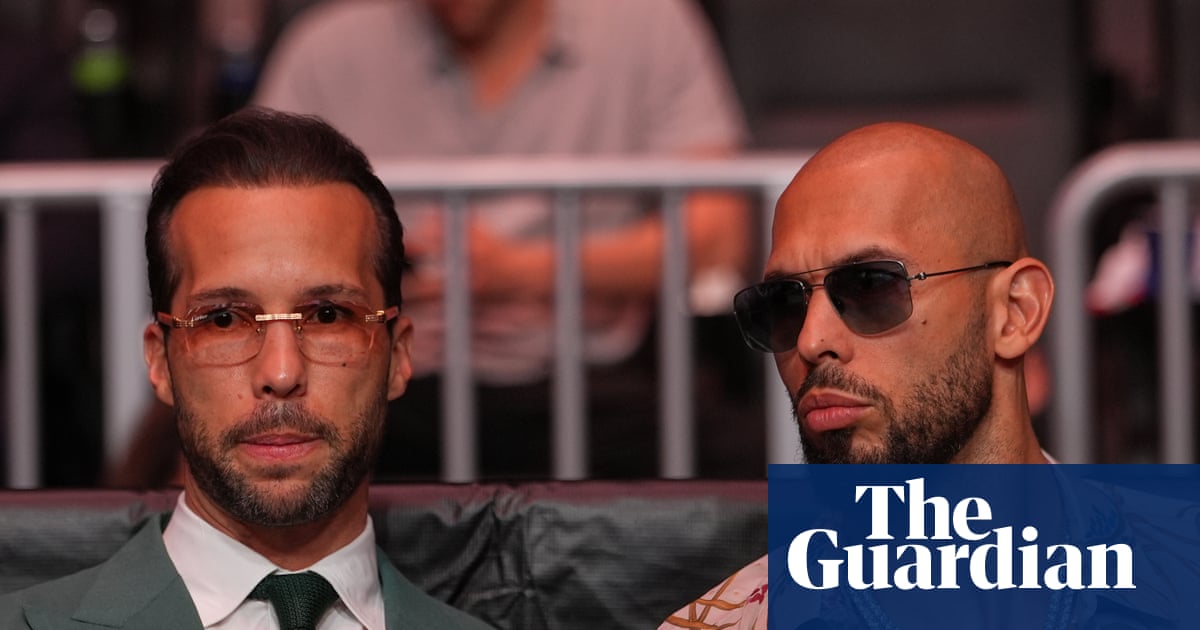
Tristan (left) and Andrew Tate, who are accused of rape and human trafficking by three women. Photograph: Julia Demaree Nikhinson/APView image in fullscreenTristan (left) and Andrew Tate, who are accused of rape and human trafficking by three women. Photograph: Julia Demaree Nikhinson/APTate brothers seek judicial review of decision not to tell them accusers’ namesHigh court hears identities of women accusing Andrew and Tristan Tate of rape withheld for fear they could be revealed
Andrew and Tristan Tate are not being told the names of the women who have accused them of rape and human trafficking over fears the brothers might publish them on social media, the high court has heard.
The Crown Prosecution Service (CPS) authorised charges against the Tates in March 2024 in relation to the women’s allegations but their accusers’ identities have not been disclosed to the brothers or their representatives. The Tates have denied any wrongdoing.
On Tuesday, the Tates’ lawyers sought a judicial review of the CPS’s decision, claiming that the unprecedented withholding of the women’s identities prejudiced the brothers’ ability to defend themselves and breached their human rights.
Lawyers for the Tates claimed the CPS had failed to take into consideration the brothers’ “good character”, adding that prosecutors were prejudicing the men’s right to a fair trial under article 6 of the European convention on human rights (ECHR).
At a hearing in which the Tates were seeking a judicial review of the prosecutors’ decision, Mr Justice Chamberlain heard that Andrew Tate, 39, was being accused by three women of crimes that were said to have been committed between 2014 and 2016. His younger brother, Tristan, 37, is accused by one woman relating to alleged criminality that took place between April 2012 and 2016. They both deny the allegations.
Arrest warrants issued for the Tates in 2024 had set out the particulars of the allegations against the self-described influencers but the names of the men’s accusers had not been included.
The court heard that Bedfordshire police had declined an offer to interview the men in Romania.
In a submission to the court, Stephen Parkinson, the director of public prosecutions (DPP) in England and Wales, wrote that the brothers “have a massive following on social media”.
He noted that Andrew Tate had more than 10m followers of his X account. “On 16th September 2025, Andrew Tate posted images of a male on that same X account ”, Parkinson wrote. “In less than 10 hours that post had 2,800,000 views.”
Parkinson said that the names of the alleged victims had been withheld from the brothers due to the “real risk of the identities of the complainants being published on social media and/or of them being contacted by or on behalf of the [Tates] with the consequential risk of interference with the administration of justice”.
Parkinson added in his submission that the women were “vulnerable”
He said the Tates would be informed of the women’s identities once the brothers had been extradited to the UK.
The CPS had further rejected a proposal from the Tates’ lawyers that they would individually undertake to pay a £20,000 fine should they allow the names to be disclosed.
Representing the brothers, Sallie Bennett-Jenkins KC said the CPS was taking a “novel” and unreasonable approach and questioned why other high-profile defendants had not been treated similarly.
The Sexual Offences (Amendment) Act 1992 provides lifelong, automatic anonymity for complainants in sexual offence cases and Bennett-Jenkins said there was no evidence that the men would seek to publicly identify the women.
She told the court that as a result of withholding the women’s identities the brothers were left in a “vacuum”.
In a submission to the court, Bennett-Jenkins wrote: “It is assumed by the (DPP) that, if the claimants were informed of the names of their accusers, they would use their social media presence to publicly identify the complainants, which may in turn subject them to unwanted attention and lead to their reluctance to take part in the criminal proceedings.”
She told the court that the prosecutor who took the decision did not have the expertise to allow her to conclude that the women were vulnerable and that this alone would not be grounds for withholding their identities.
In a written submission, she added: “It is hard to avoid the conclusion that they have been treated differently from other suspects or defendants in criminal proceedings.
“The controversial opinions of the [Tates] are not a proper basis for denying them basic information about the criminal allegations they face.”
Mr Justice Chamberlain told the court that he would issue a written decision on the application for a judicial review by the end of the week.
A CPS spokesperson said: “Tackling violence against women and girls is a priority for the CPS, and we are committed to treating every victim with the care and protection they deserve. We await the high court’s decision and will consider our next steps.”