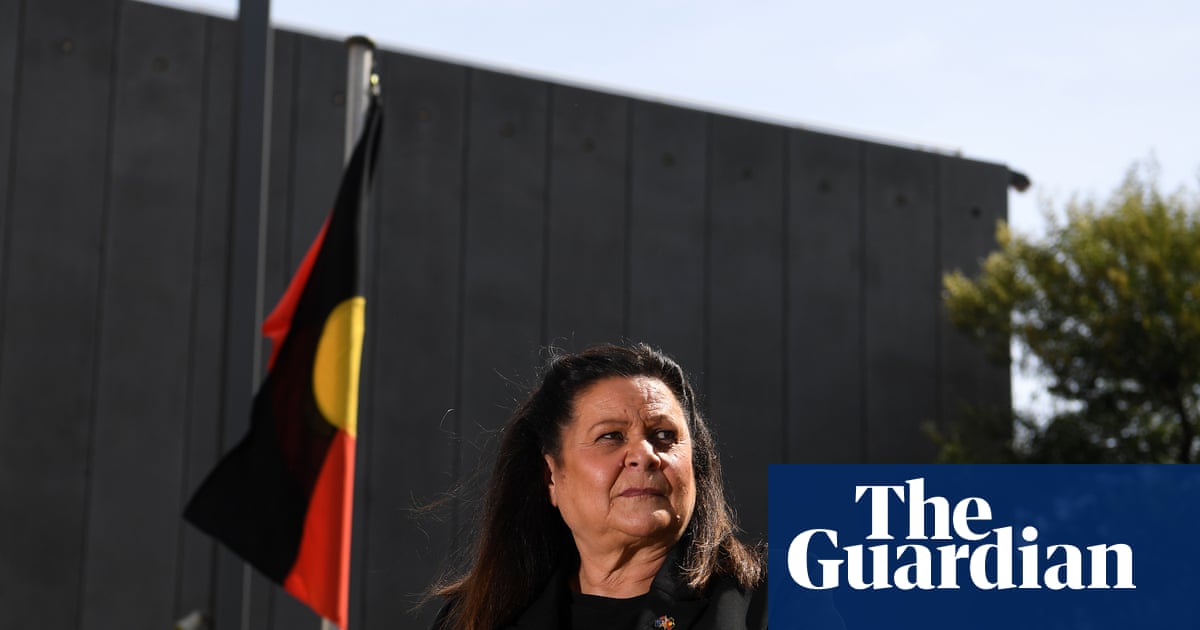
Kate Millar, chief executive of BirdLife Australia, said the significance for Australian wildlife of the arrival of H5N1 bird flu could not be overstated and it could be “the beginning of a long fight to protect birds and wildlife in Australia”:
double quotation markThe potential for this virus to kill wildlife in significant numbers means it could be particularly catastrophic for threatened species.
We are talking about possible extinctions, alongside severe impacts to common birds like our beloved pelicans and black swans.
Millar said she was concerned “many jurisdictions at the local level simply don’t yet have plans in place to respond to H5 bird flu” and called for a rapid increase in investment in conservation programs to ensure people could respond.
The Invasive Species Council (ISC) and the Australian Marine Conservation Society (AMCS) have called for an extra $200m in funding over the next two years.
AMCS campaigns director Alexia Wellbelove said H5 bird flu posed a real risk to the future of species such as the Australian sea lion, which was already endangered and existed nowhere else on earth.
ISC chief executive Jack Gough said “whether this particular outbreak is contained or not, the threat is no longer theoretical”:
double quotation markThis is a genuine wildlife emergency and it must be treated as such with emergency funding to increase efforts to protect wildlife populations.