As politicians stall on updating a 50-year-old building code, experts warn the devastation in Mindanao is just a preview of a worse disaster
4-MIN READ4-MIN ListenJeoffrey MaitemPublished: 5:00pm, 16 Jun 2026Updated: 5:06pm, 16 Jun 2026When the ground tore open beneath the Philippines last week, Roldan Dante was working in a nearby town. By the time he could return, his home in Glan, Sarangani province, had collapsed. His wife and two young children were gone.“If only I had known this was going to happen, I would have picked them up,” he told This Week in Asia, as social workers pressed government cash aid into his hands.
“I feel traumatised. I’m in shock and I still can’t accept what happened.”
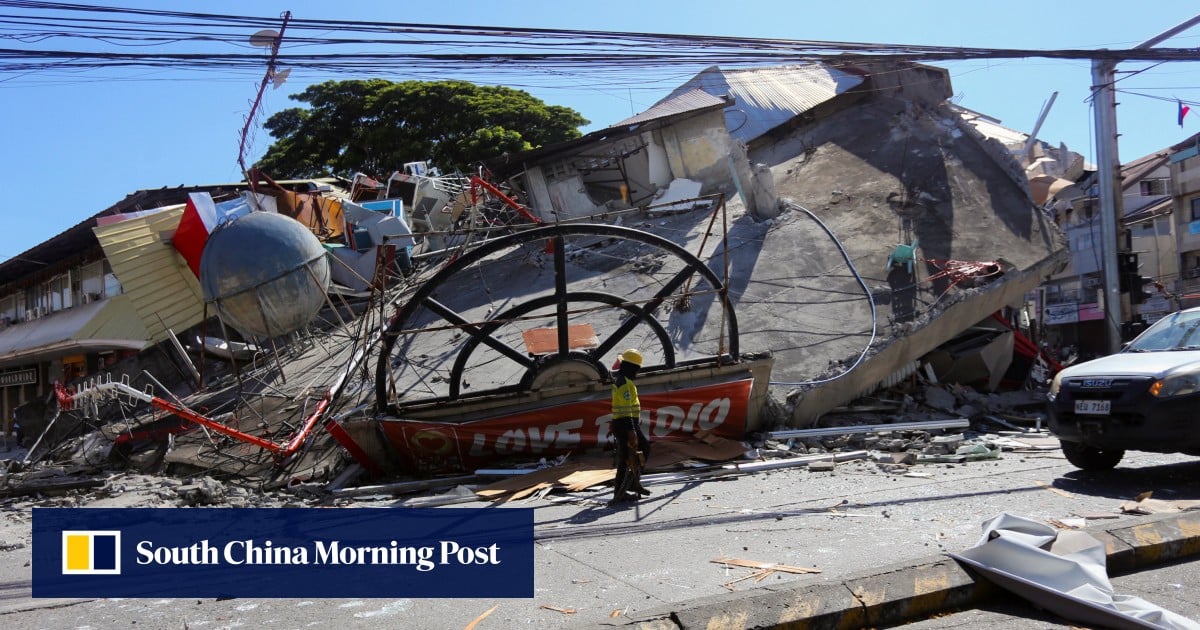
Nearly 68,000 homes were damaged or destroyed when the quake hit southern Mindanao on June 8. More than 1,300 people were injured and 33 are still missing.
The tremor triggered tsunami warnings along the southern coast and in neighbouring countries, as it crumpled schools and government buildings in General Santos, the largest and most populous affected city.