While the deal may ease some economic pressure on Asian governments, the ‘real test’ is whether it will hold, analysts say
4-MIN READ4-MIN ListenSam BeltranPublished: 11:35pm, 15 Jun 2026The US-Iran peace deal is likely to bring immediate relief but not yet reassurance for Asia, as leaders across the region watch whether the Strait of Hormuz reopens, oil prices ease and the agreement can withstand the nuclear talks and geopolitical distrust still ahead, analysts say.
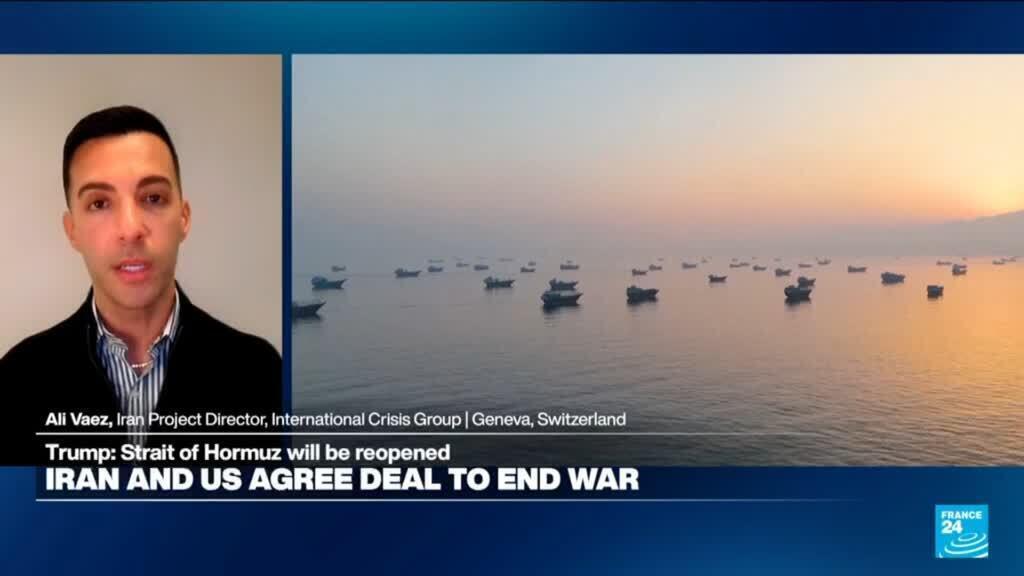
The agreement, mediated by Pakistan and scheduled to be signed on Friday in Switzerland, is intended to end more than three months of war in the Gulf, halt the US blockade of Iran and reopen one of the world’s most important oil chokepoints.
The Strait of Hormuz carried about 20 million barrels per day of oil in 2024, equivalent to 20 per cent of global petroleum liquids consumption, making any disruption a direct concern for energy-importing economies in Asia, according to data from the US Energy Information Administration.
In comments reflecting Asia’s cautious reception of the deal, Japanese Prime Minister Sanae Takaichi said her country “strongly hopes” that “free and safe navigation through the Strait of Hormuz will be ensured in practice, and that a final agreement on Iran’s nuclear issue and other matters will be reached as soon as possible”.
Details of the agreement remain unclear, but Reuters reported that a draft memorandum covered issues including Tehran’s nuclear programme, the reopening of the strait, sanctions relief and the release of US$25 billion in frozen Iranian assets during a 60-day negotiation period.