A peace deal between the US and Iran is due to be signed this week — and while the hopes of peace may yet be dashed, the news alone was enough to trigger celebrations, backlash and political infighting on both sides.
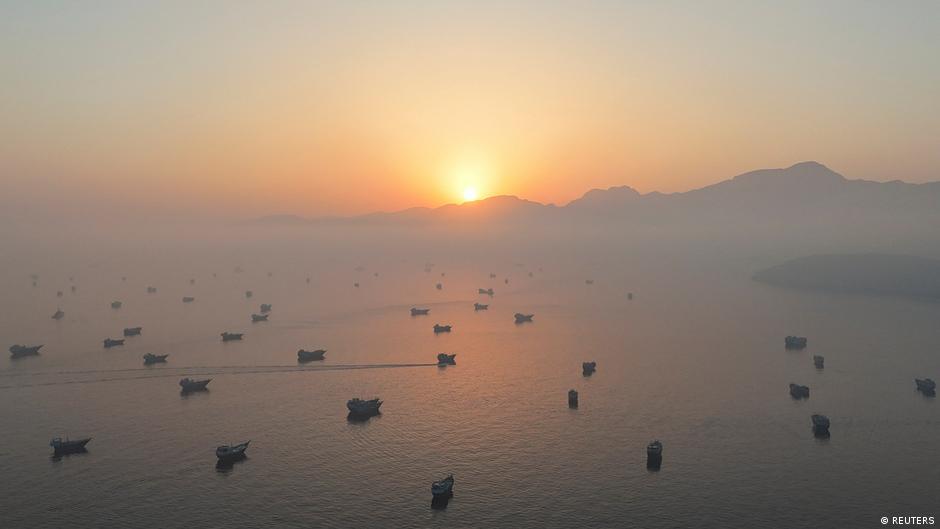
https://p.dw.com/p/5FR2pThe expected peace deal between the US and Iran is still far from certainImage: REUTERSAdvertisementTop US and Iranian officials are due to fly to Switzerland this week and sign a framework authorizing "the immediate and permanent termination of military operations on all fronts," according to Pakistani Prime Minister Shehbaz Sharif.
US President Donald Trump echoed Sharif's announcement this weekend, saying a deal to end the war had been reached. Iranian officials signaled cautious support but stopped short of fully embracing all reported details.
Iran-US peace deal leaves many major issues unresolvedTo view this video please enable JavaScript, and consider upgrading to a web browser that supports HTML5 video
It's worth noting that Trump's previous outpourings of optimism repeatedly ended in disappointment, and the latest peace proposal may also fail before ever reaching the signing stage in Switzerland.
Many of its alleged terms remain unclear and politically contested, and even if Tehran and Washington verify it on Friday, the framework reportedly leaves crucial questions — including the dispute over Iran's nuclear program — to be resolved in the 60 days following the signing ceremony.
US and Iranian sources have given competing narratives of what the agreement actually contains. Iranian semi-official and allied media circulated what they described as a 14-point draft memorandum, including an end to fighting across all fronts, the reopening of the Strait of Hormuz within 30 days, partial sanctions relief, access to frozen Iranian funds and two months of follow-up negotiations focused on the nuclear issue and sanctions. These details have not been independently verified.
Iranian state television treated the announcement as a diplomatic success. Iranian hard-liners, however, moved quickly to attack the deal, arguing that it gives away leverage without securing enough in return. Ultraconservative critics see the arrangement as an unacceptable climbdown, while government supporters insist it preserves core red lines and prevents a wider disaster.
Iranian Foreign Minister Abbas Araqchi recently urged media outlets not to speculate about the contents of the memorandum while the process was still underway. Trump reposted Araqchi's message on social media and described it as "very positive," reinforcing the impression that both sides wanted to signal positive momentum without fully disclosing the final text.
Babak Dorbeiki, a London-based political analyst and former official at Iran's Strategic Research Center, said the deal appears to offer each side some immediate tactical benefits while pushing the harder issues further down the road.
Pakistan, US, Iran signal deal to end war closeTo view this video please enable JavaScript, and consider upgrading to a web browser that supports HTML5 video
"The main advantages for Iran are an end to the US naval blockade, short-term relief for oil sales and a written American statement respecting Iranian sovereignty," he told DW.
Dorbeiki said Tehran may also view the arrangement as a way to for the regime to preserve domestic legitimacy by showing it did not fold under pressure. But he also pointed to Iran's pain points. The version of the deal presented by the Americans seems to imply a far stricter outcome on the nuclear row, including the removal of enriched material and long-term monitoring, while Iranian messaging suggests enrichment itself may survive in some form. Dorbeiki says those two narratives do not sit easily together.
For Washington, he said, the gains are different. A ceasefire would end a costly military operation, reduce pressure on global energy markets and potentially secure more on the nuclear issue than a narrower arms-control framework would have delivered. But he also warned that the US still faces verification problems, internal political divisions and resistance from pro-Israel forces unhappy with any arrangement that leaves Iran's wider regional posture untouched.
One of the clearest limits of the agreement is that Israel is not formally a party to it, even though it is deeply affected by it. That matters because some of the most sensitive regional conflicts, especially in Lebanon, depend heavily on the moves taken by Israel.
Dorbeiki describes this is one of the deal's structural weak points. In his view, Washington may be prepared to accept a framework that reduces immediate risk and restores maritime stability, while Israel may continue pursuing unilateral operations in Gaza, Lebanon or Syria if it believes the agreement does not sufficiently address its concerns.
Middle East fears Iran-Israel fighting could become new normTo view this video please enable JavaScript, and consider upgrading to a web browser that supports HTML5 video
That possibility has also fueled criticism inside Iran. The Guardian reported that Iranian hardliners slam the agreement as a humiliating compromise, as they believe it does not guarantee compensation, comprehensive sanctions relief or durable security gains for Tehran.
The announcement drew supportive reactions from world leaders, including UK Prime Minister Keir Starmer, German Chancellor Friedrich Merz, French President Emmanuel Macron, and UN Secretary-General Antonio Guterres.
Senior Israeli officials were far less enthusiastic, with Israel's National Security Minister Itamar Ben-Gvir posting that "Trump's agreement does not bind us" and that Israel must not compromise on "anything less than the dismantling of Hezbollah" or withdraw from "any territory that our fighters have captured and cleared of terror infrastructure."
This displeasure from senior Israeli circles is likely to be amplified by Israel's political allies inside the US. Prominent pro-war commentators like Mark Levin and Ben Shapiro have already questioned the peace deal, with Shapiro decrying the scheduled signing ceremony in Switzerland as a "horrible idea" and a "gigantic photo op" for the Iranian regime.
Their criticism, however, has been tempered by the fact that details of the framework remain unverified, with both commentators calling on the White House to release the full text.
But some analysts believe that Israeli Prime Minister Benjamin Netanyahu has little choice but to play along.
Initial US-Iran deal 'should not be overestimated'To view this video please enable JavaScript, and consider upgrading to a web browser that supports HTML5 video
"What Donald Trump wants, from an Israeli prime minister, he is going to get," Aaron David Miller from the Carnegie Endowment for International Peace told DW. Miller noted that Netanyahu was up for reelection this fall and needed Trump's "active support."
"Netanyahu will do anything Trump wants him to do," he said.
Reza Alijani, a Paris-based political analyst, warns that the agreement should primarily be understood as a limited memorandum, not a full settlement.
"This is a small-for-small understanding," he told DW.
He said Tehran appears to have accepted the reopening of the Strait of Hormuz and a return, at least in principle, to prewar shipping conditions, while the United States appears ready to ease the naval blockade. That, he argued, is the immediate cash-value exchange at the center of the understanding. Everything more ambitious has effectively been pushed into the next 60 days.
Alijani also pointed to Lebanon as one of the most revealing parts of the arrangement. In his view, Tehran seems to have reacted late and cautiously to continued Israeli strikes there, suggesting that Iran may already have decided to set aside part of that dispute in order to secure a broader de-escalation. He added that some of the more ambitious Iranian demands, including monetary compensation, a full US military withdrawal from the region or taxation of ships passing through Hormuz, now appear either greatly softened or effectively dropped from the framework.
The analyst said that the question of guarantees remains very important and the practical path to implementation is still far from clear.
The most important gain may be a positive change in the political atmosphere. The ceasefire language, the planned signing ceremony and the public endorsements from Pakistan and Trump all suggest a major step forward. But the competing narratives over sanctions, Iran's nuclear program, Lebanon, the Strait of Hormuz and enforcement mechanisms show that the deal may be easier to announce than to implement.
The agreement may be effective enough to stop the fighting — for now. Whether it satisfies the core demands of all sides, or simply postpones the next round of confrontation, will likely be decided only in the 60 days following Friday's summit in Switzerland.