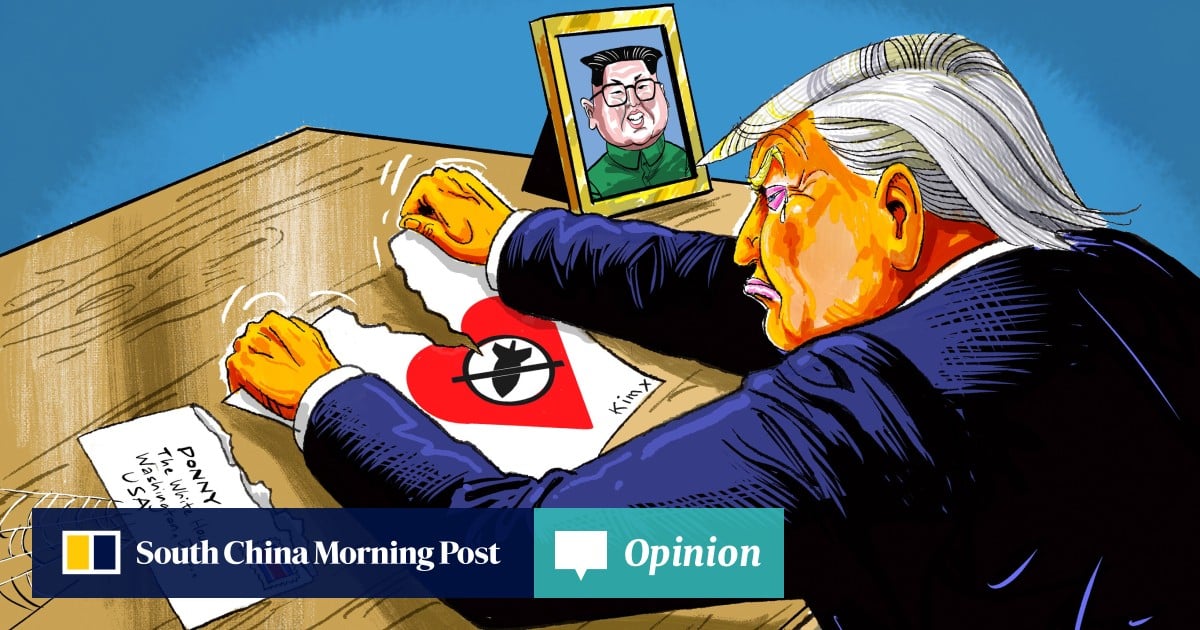
Every year that passes without negotiations with Washington allows Pyongyang to improve its nuclear deterrent
3-MIN READ3-MINGabriela BernalDr Gabriela Bernal is a North Korea analyst based in Seoul, South Korea. Published: 5:30am, 15 Jun 2026Chinese President Xi Jinping’s recent Pyongyang visit may ultimately be remembered as a turning point in the international debate over North Korea’s nuclear weapons.
For years, China and Russia joined the United States in officially supporting a denuclearised Korean peninsula, even if their commitment varied considerably in practice. Today, however, Moscow has effectively accepted Pyongyang’s nuclear status, with Russian Foreign Minister Sergey Lavrov calling the denuclearisation of North Korea a “closed issue” back in September 2024.
With Xi’s trip, China appears to be quietly moving in a similar direction. This leaves Washington increasingly isolated in its insistence that North Korea can still be persuaded to surrender its nuclear weapons.
President Donald Trump should recognise what much of the region already understands: denuclearisation is no longer a realistic policy objective, at least not in the short or medium term. Continuing to pursue it as the centrepiece of its North Korea policy risks leaving Washington trapped in a diplomatic stalemate likely to lead to greater military tensions on the peninsula and further reduce Washington’s leverage over Pyongyang.