From broadcast operations to sponsorships, Chinese companies hold key roles at football’s biggest event despite geopolitical friction
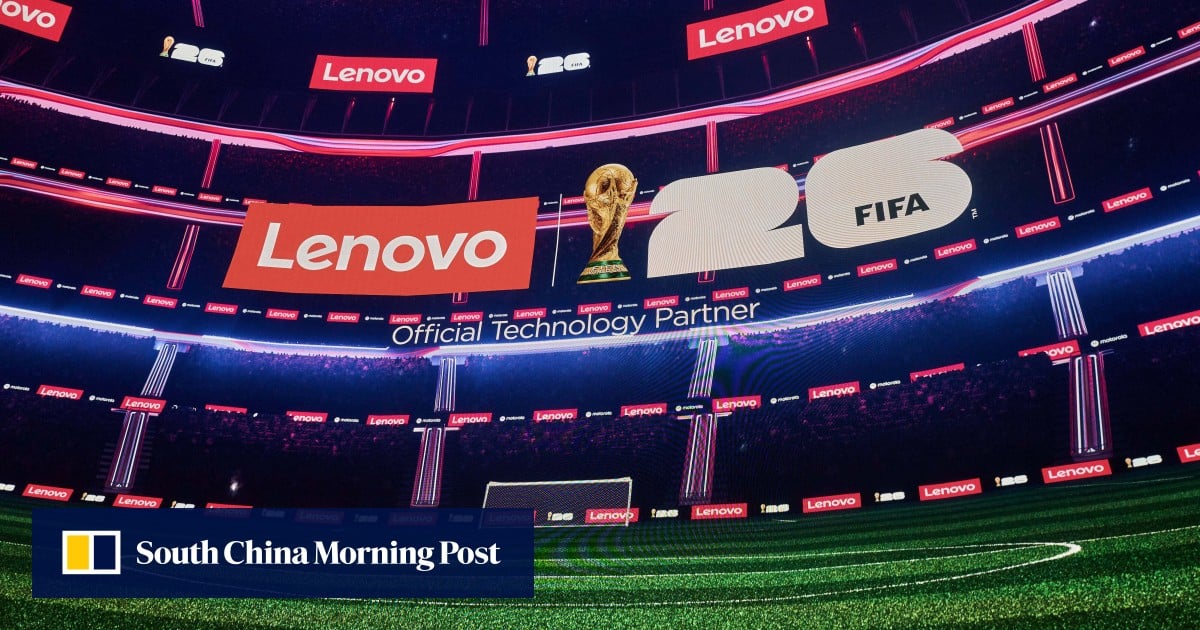
4-MIN READ4-MIN ListenTeresa Elena Frontadoin WashingtonPublished: 5:13am, 13 Jun 2026Updated: 5:20am, 13 Jun 2026Inside a sprawling broadcast hub in Dallas, thousands of devices supplied by Lenovo are helping Fifa manage and distribute content from stadiums across the United States, Canada and Mexico, forming part of the technological backbone of the largest World Cup ever staged.
The central role played by the Chinese-founded technology company highlights a reality often obscured by geopolitical tensions between Washington and Beijing: while US policymakers have increasingly scrutinised Chinese technology firms and sought to reduce security risks in strategically sensitive sectors, Chinese companies remain deeply embedded in global commercial ecosystems, including one of the highest-profile international events ever hosted in North America.
China’s men’s national team once again failed to qualify for the World Cup, having reached the tournament only once, in 2002.
The stakes are enormous. Fifa is expected to generate between US$2.5 billion and US$3 billion in sponsorship revenue from the 2026 World Cup, making it one of the most commercially valuable sporting events ever staged and a coveted platform for companies seeking global visibility.
“It’s the coming out party for Chinese global brands,” said Craig Allen, former US ambassador and senior fellow at the Asia Society.